










We all love the idea of jewelry you never have to take off. Necklaces that stay on through beach days, gold hoops that don’t mind your morning shower, and rings that survive daily hand washing or gym visits. But when brands say their jewelry is “waterproof,” what does that actually mean?
The short answer: it depends on what it’s made of. Not all jewelry that claims to be waterproof actually is - at least not forever.
Let’s break down what makes jewelry truly waterproof, why some metals can’t handle daily water exposure, and why solid gold is the only one that really lasts for life.
1. What “Waterproof Jewelry” Actually Means
The term “waterproof jewelry” has become a marketing favorite. You’ll see it everywhere - from trendy fashion jewelry brands to high-end collections. But it doesn’t have a strict definition.
In most cases, “waterproof” just means the jewelry won’t immediately tarnish or change color if it touches water. That doesn’t mean it will stay perfect for years of wear.
Here’s the truth:
- No coating or plating lasts forever. Even the thickest layer of gold plating will eventually wear off, especially with friction and moisture.
- Waterproof doesn’t mean life-proof. Sweat, lotions, saltwater, perfumes, and even the pH of your skin all break down surface coatings over time.
So if a brand claims their gold-plated jewelry is waterproof - it might look great for a few months, or even a year, but it’s not the same as being made of gold through and through.
2. Why Plated Jewelry Isn’t Truly Waterproof
Gold-plated jewelry is made by covering a base metal (like brass, copper, silver or even stainless steel) with a thin layer of gold. The plating can be done in various thicknesses — sometimes as little as 0.5 microns - but no matter how thick it is, it’s still a surface layer.
When you shower, swim, or wash your hands, that layer slowly wears down. The underlying metal reacts with moisture and air, causing tarnish, discoloration, or green marks on your skin.
Even vermeil (a higher-quality plating over sterling silver) faces the same problem. It’s more durable than standard plating, but still not truly waterproof long-term.
Water + friction + time = plating that fades.
That’s why many people notice their favorite “gold” pieces start to dull or reveal a different metal underneath after a while — even if they were marketed as waterproof.
3. Why Solid Gold Is Waterproof — Forever
Unlike plated or vermeil jewelry, solid gold doesn’t have a coating. The metal is gold all the way through - meaning it can’t wear off, tarnish, or rust.
Whether it’s 9K, 14K, or 18K, solid gold is made of a gold alloy - a mix of pure gold and other strengthening metals like copper and silver. This combination makes it both durable and resistant to water damage.
Here’s what makes solid gold unique:
- It doesn’t oxidize. Water, air, and humidity don’t cause it to rust or corrode.
- It doesn’t flake or peel. There’s no surface layer that can fade or chip away.
- It keeps its shine. A quick polish or wash can restore its glow, even after years of daily wear.
You can shower, swim, and live in solid gold — and it will stay beautiful for life.
4. The Science Behind Waterproof Metals
Let’s look at how different jewelry materials react to water exposure:
| Material | Waterproof? | What Happens Over Time |
|---|---|---|
| Brass/Copper | ❌ | Quickly tarnishes and turns skin green |
| Stainless Steel | ✅ | Water-resistant, but can dull or discolor over years |
| Gold-Plated | ⚠️ | Coating wears off with water and friction |
| Gold Vermeil | ⚠️ | Better than plating, but still not permanent |
| Sterling Silver | ⚠️ | Tarnishes with moisture; needs polishing |
| Solid Gold (9K–18K) | ✅✅✅ | Fully waterproof, never tarnishes or fades |
Even stainless steel - often marketed as a waterproof option - doesn’t match gold’s longevity or luster. It’s resistant to water, but not immune to dullness or corrosion, especially from salt or chlorine.
Solid gold, on the other hand, is chemically stable. Its atoms don’t react with oxygen or hydrogen in water, which means it simply can’t rust or tarnish.
5. Can You Shower with Gold Jewelry?
If it’s solid gold - absolutely.
If it’s plated - better not.
When you shower with solid gold jewelry, it might collect soap or conditioner residue, but a gentle rinse or wipe keeps it shining. The metal itself doesn’t change. That’s why so many people wear their solid gold rings, necklaces, or earrings 24/7.
Plated jewelry, however, breaks down faster in warm, soapy water. The heat and detergent loosen the plating bond, causing it to thin out more quickly.
So if you love the idea of “wear it and forget it” jewelry, solid gold is the only safe choice.
6. How to Tell If Your Jewelry Is Truly Waterproof
A quick way to check:
- Look for markings — solid gold will be stamped with numbers like 9K, 10K, 14K, or 18K.
- Ask what the base metal is — if it’s brass, copper, or silver, it’s plated.
- Notice how it wears — if the color fades or changes after a few months, it’s not solid.
If you’re shopping online, look for brands that clearly state “solid gold” or “solid 9K/14K gold.” If it says “gold plated” or “gold vermeil,” know that it’s a shorter-term investment - beautiful, but not made to last forever.
7. Why “Waterproof for Life” Isn’t a Myth - If It’s Gold
Truly waterproof jewelry isn’t about a coating or a claim.
It’s about the metal itself.
Solid gold can handle daily showers, ocean swims, and summer humidity, not because it’s sealed, but because it’s inherently resistant to everything that makes other metals tarnish.
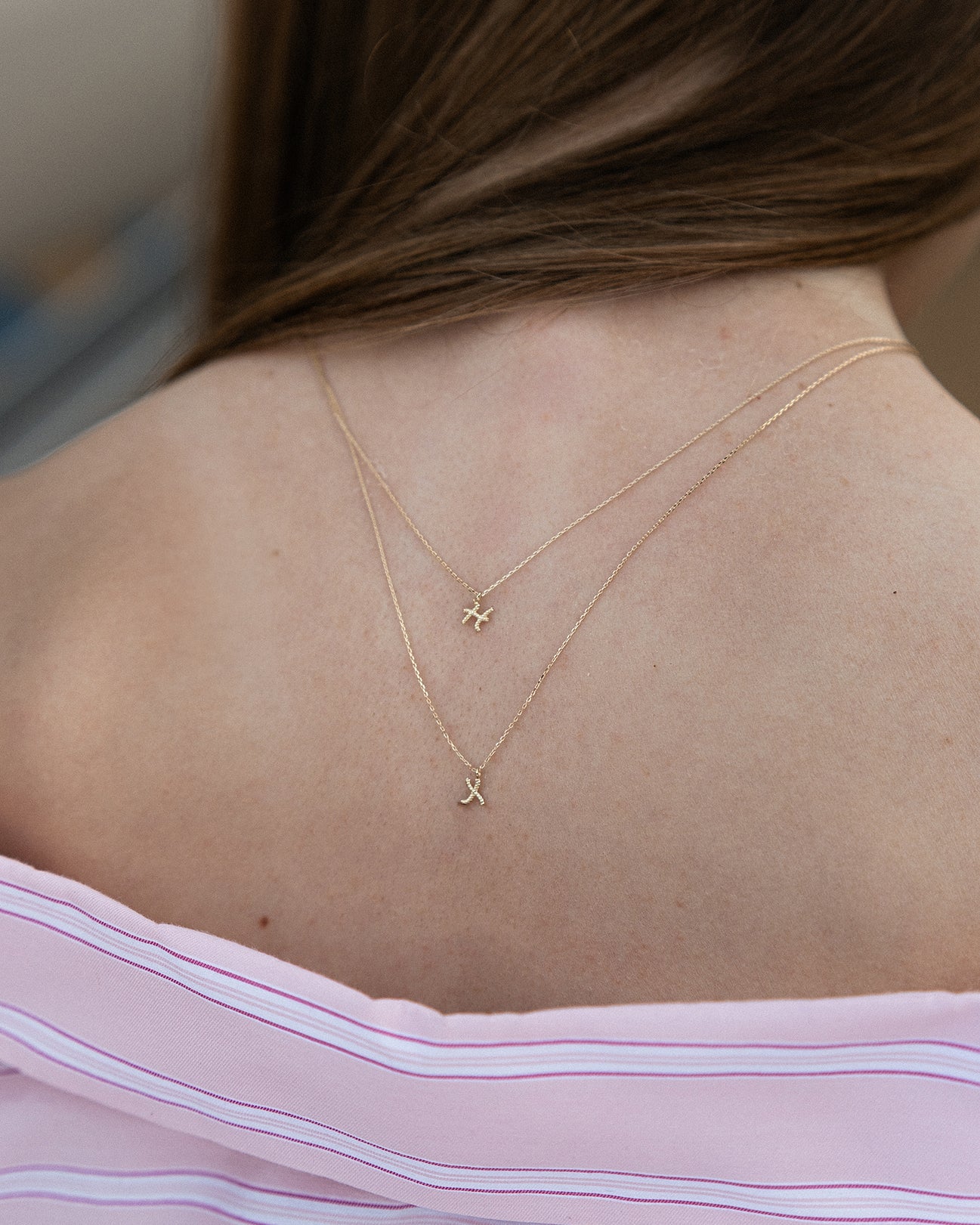
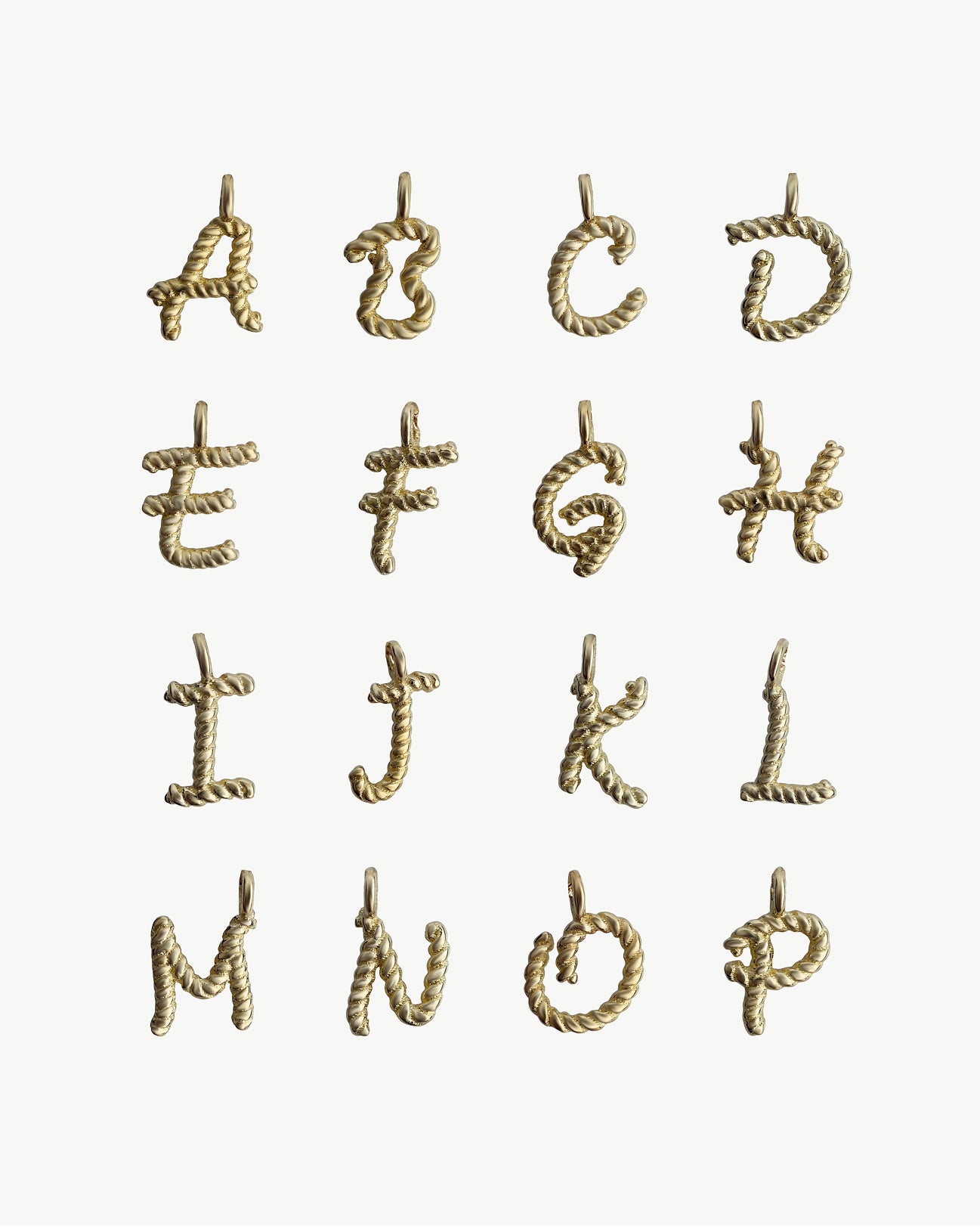
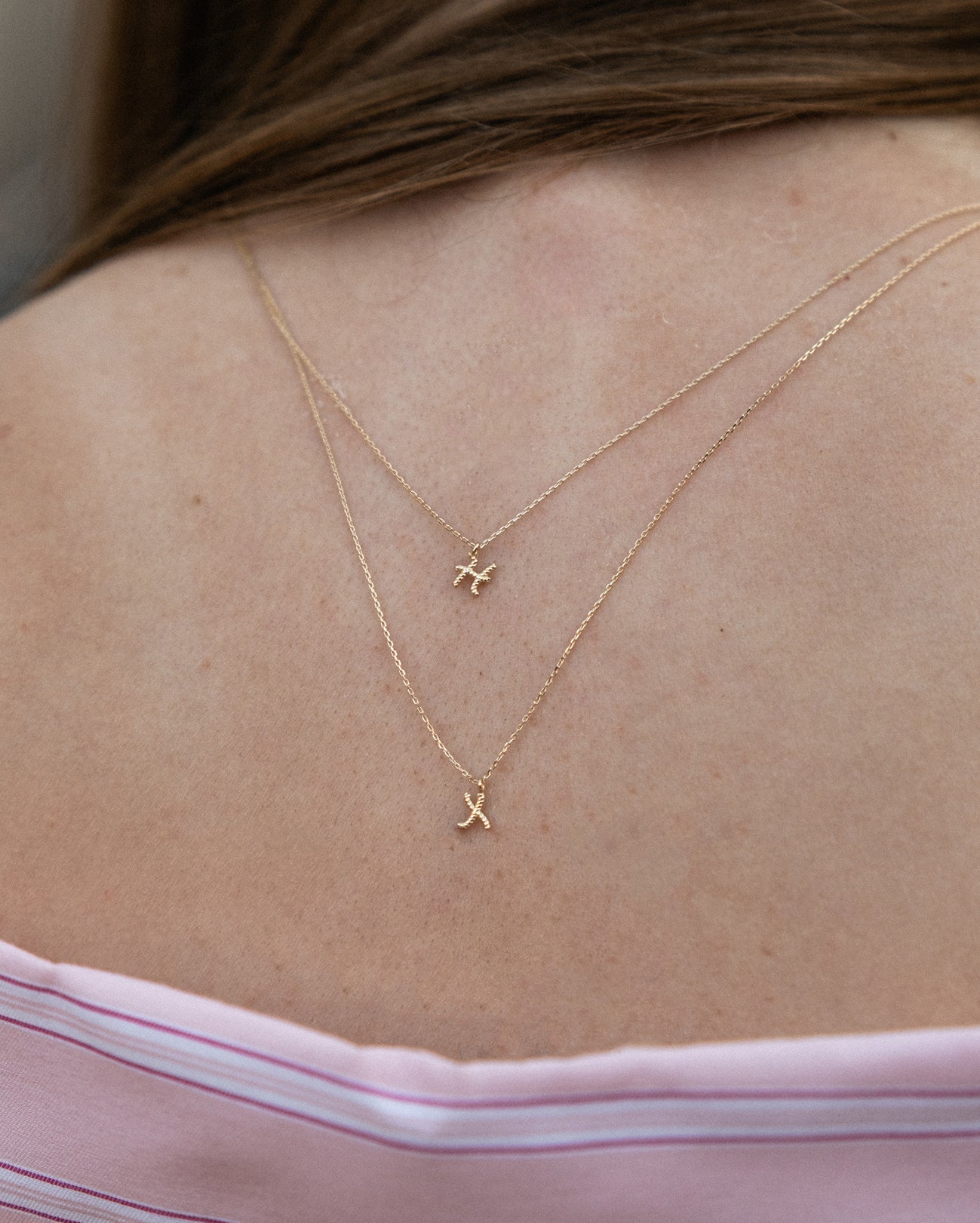
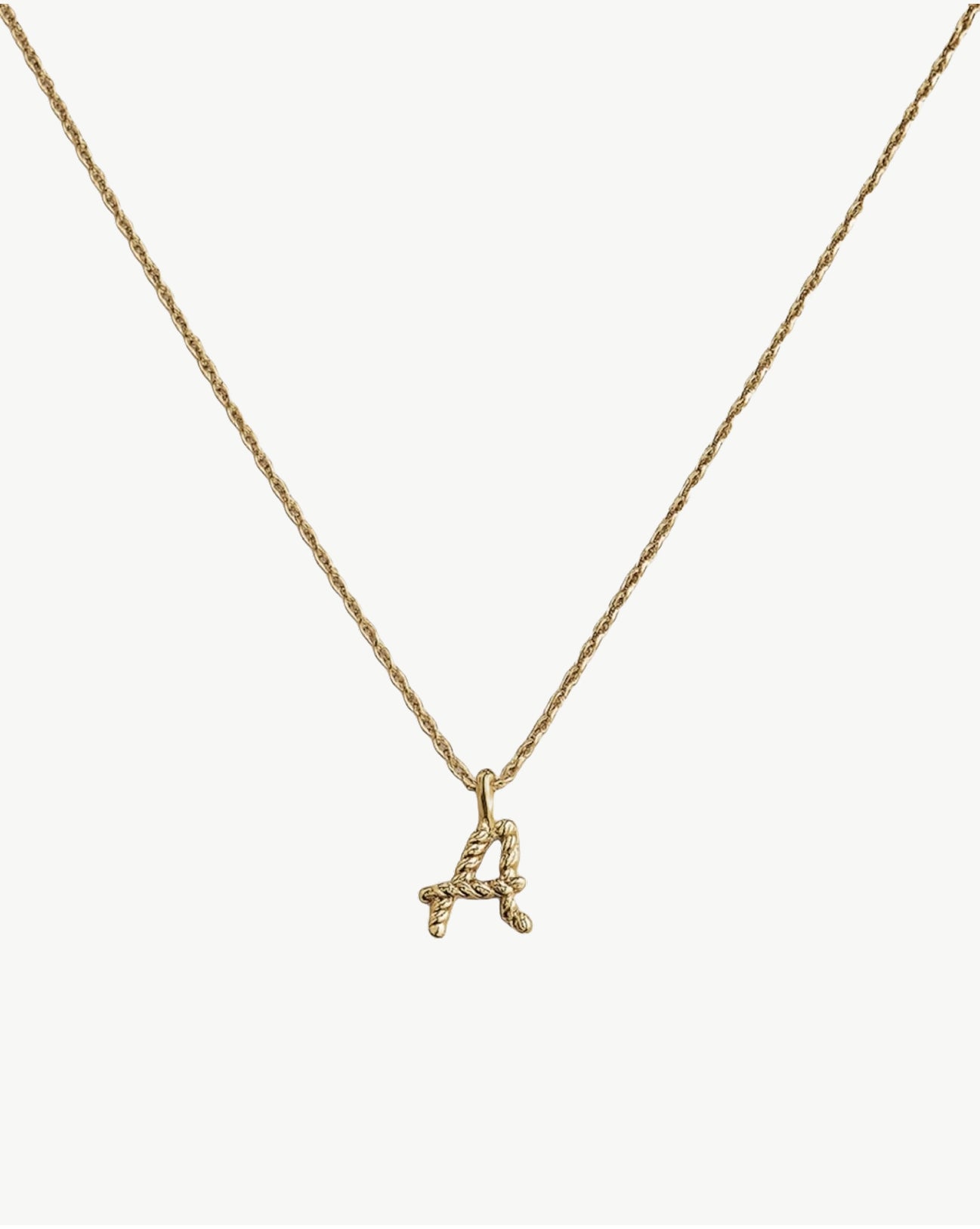
That’s why every piece of jewelry from Muse of My Own is made of real solid gold, no plating, no fading, no peeling, just pure, lasting beauty you can live in. For life.