










When it comes to fine jewelry, not all that glitters is gold - at least, not solid gold. In today’s market, you're likely to stumble across a dozen variations of “gold” jewelry, each claiming to be beautiful, durable, and worth your money. But once you dig into the details, the differences are more than surface deep.
For the untrained eye, it’s easy to confuse solid gold with gold plating, vermeil, or gold-filled pieces. After all, they often look similar - fresh out of the box. But that’s the key: they only look similar. How they wear, how they age, and how long they actually last is another story entirely.
So what exactly are you buying when you shop “gold” jewelry - and why does solid gold stand in a league of its own?
Let’s break it down.
What Solid Gold Actually Means
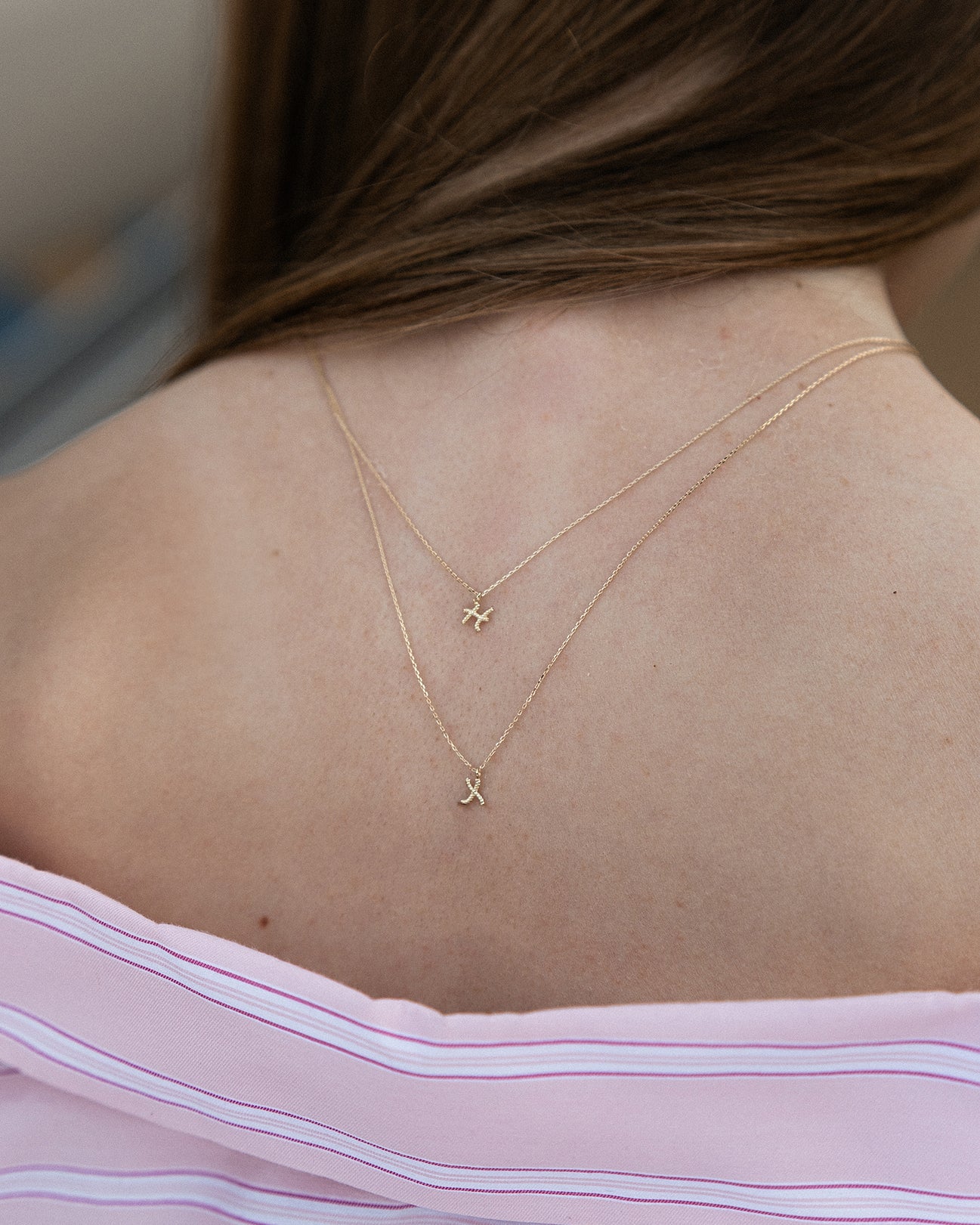
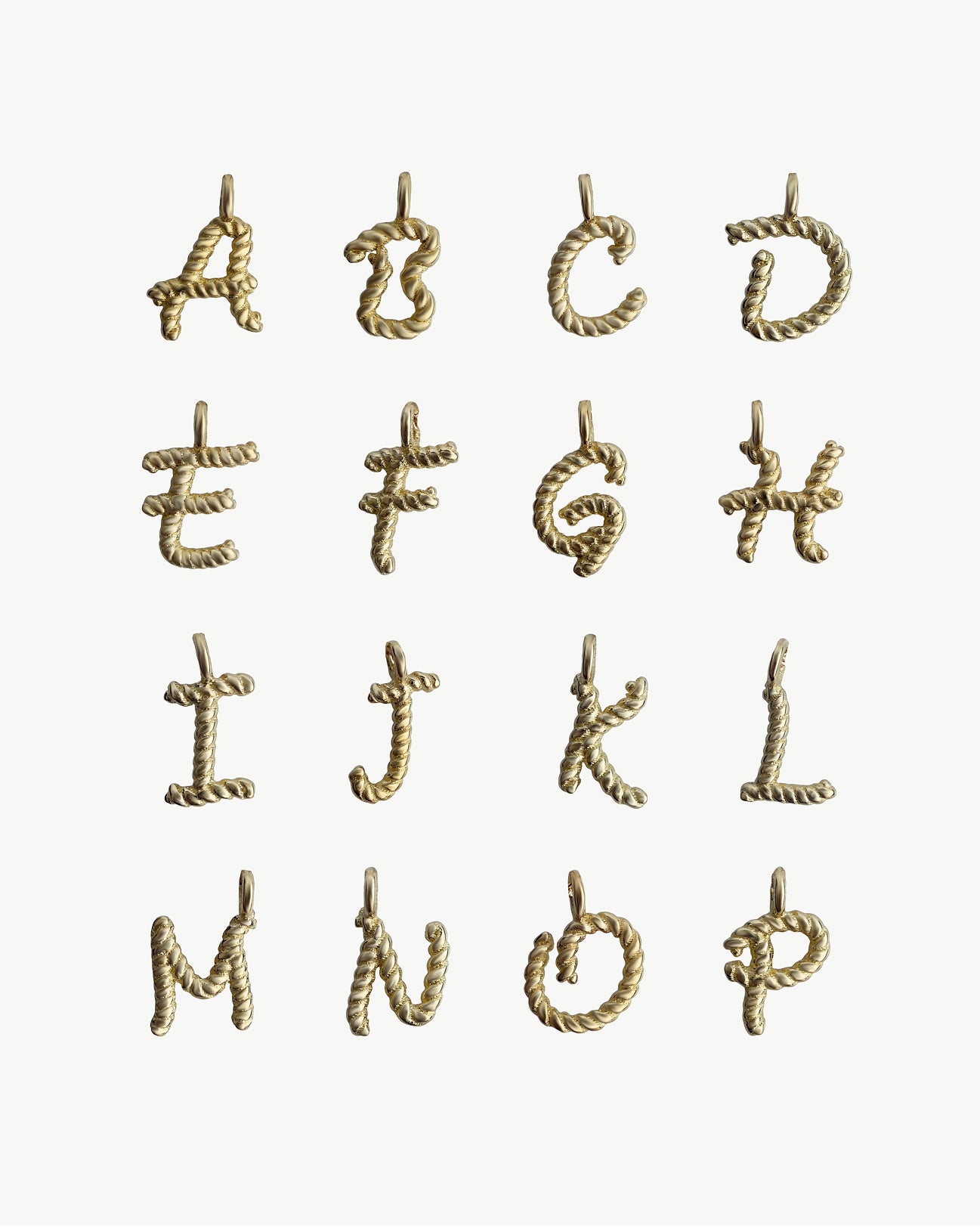
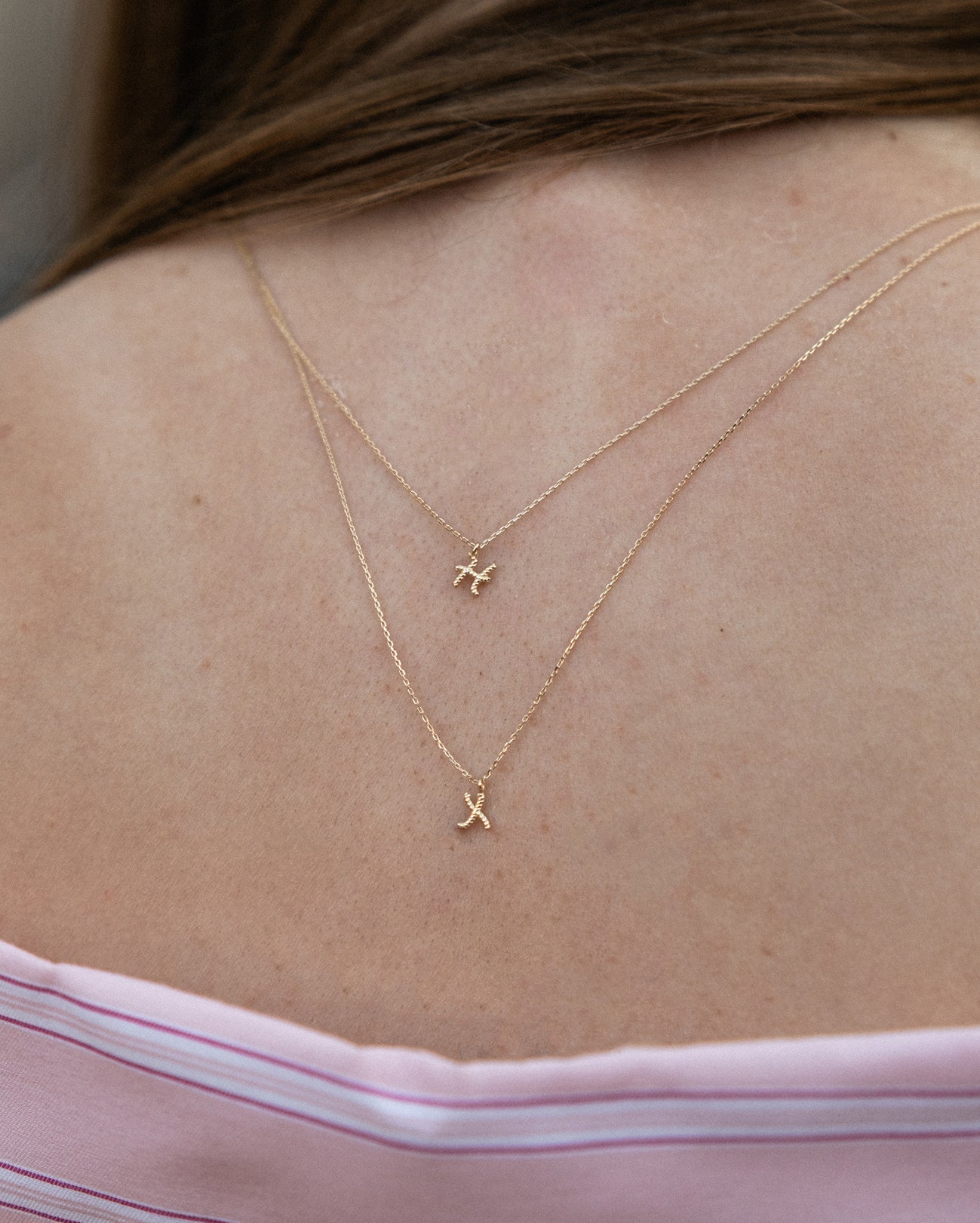
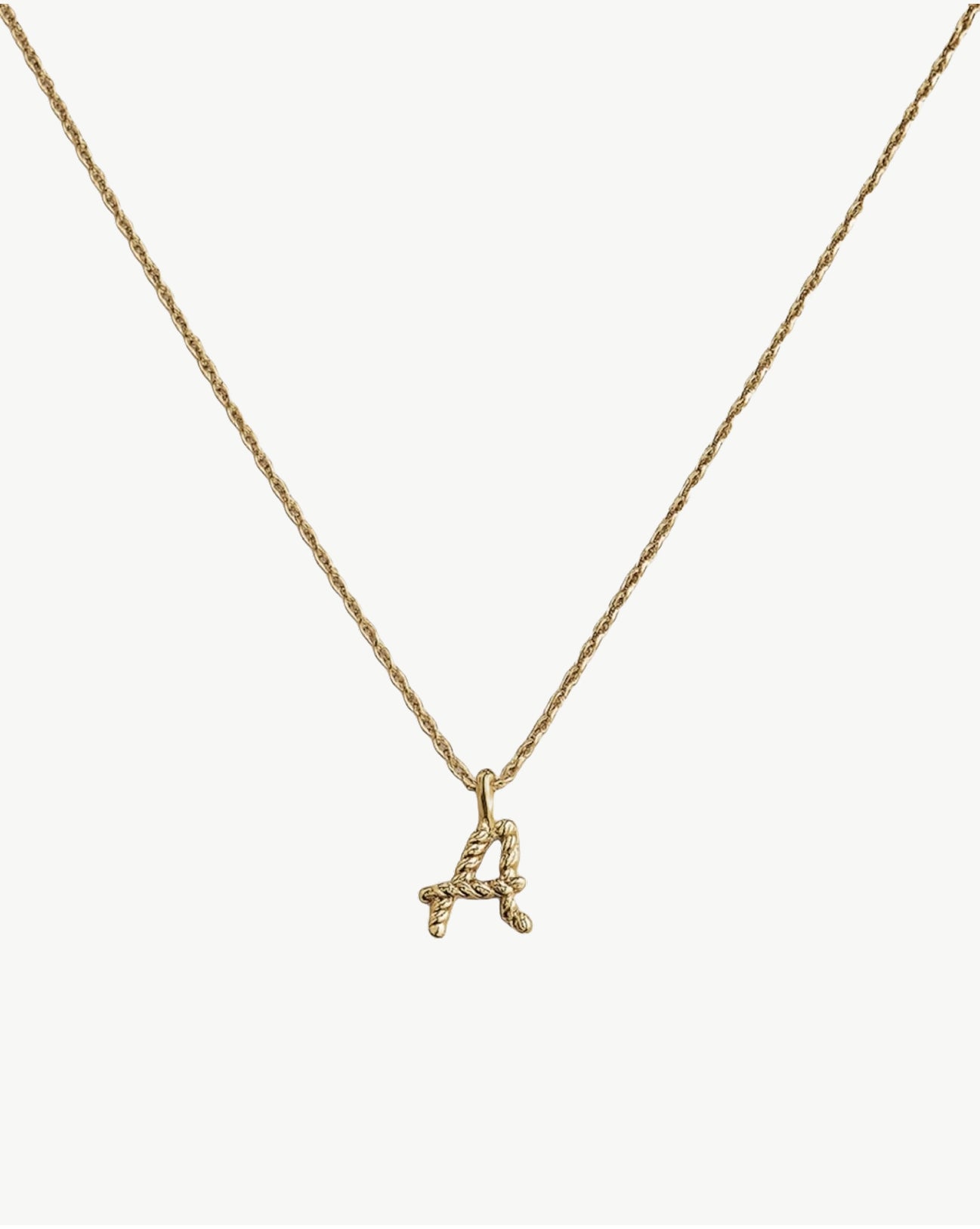
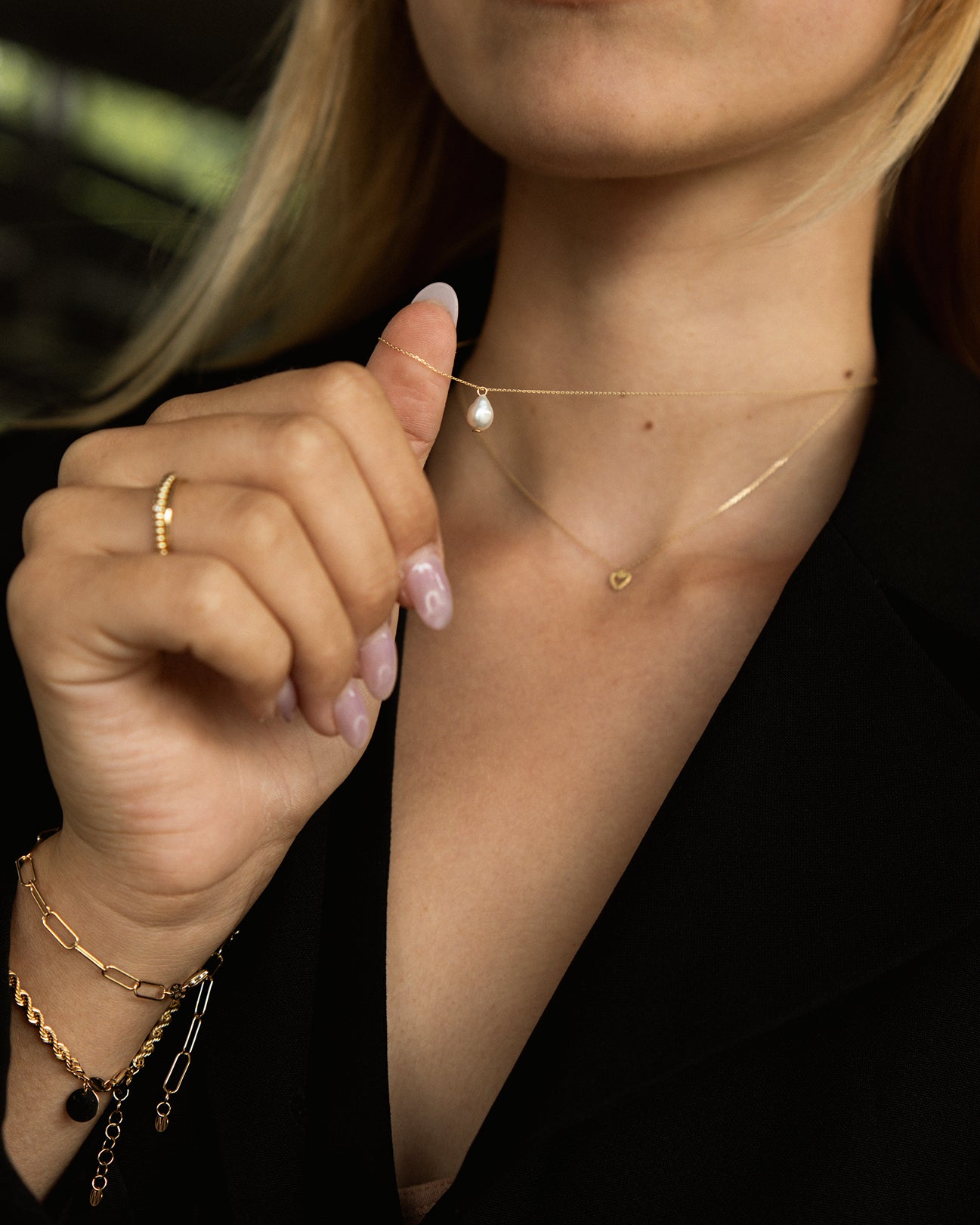
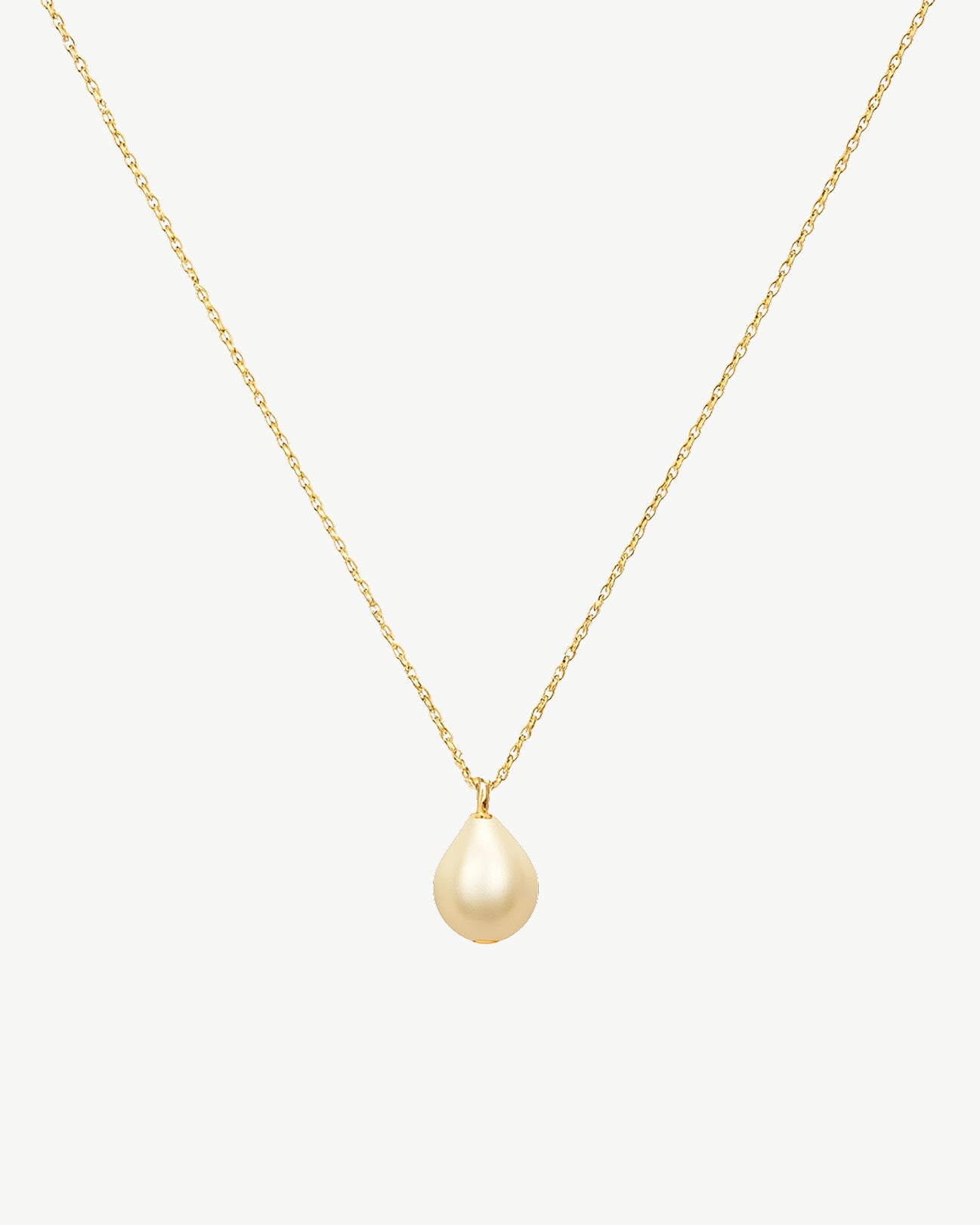
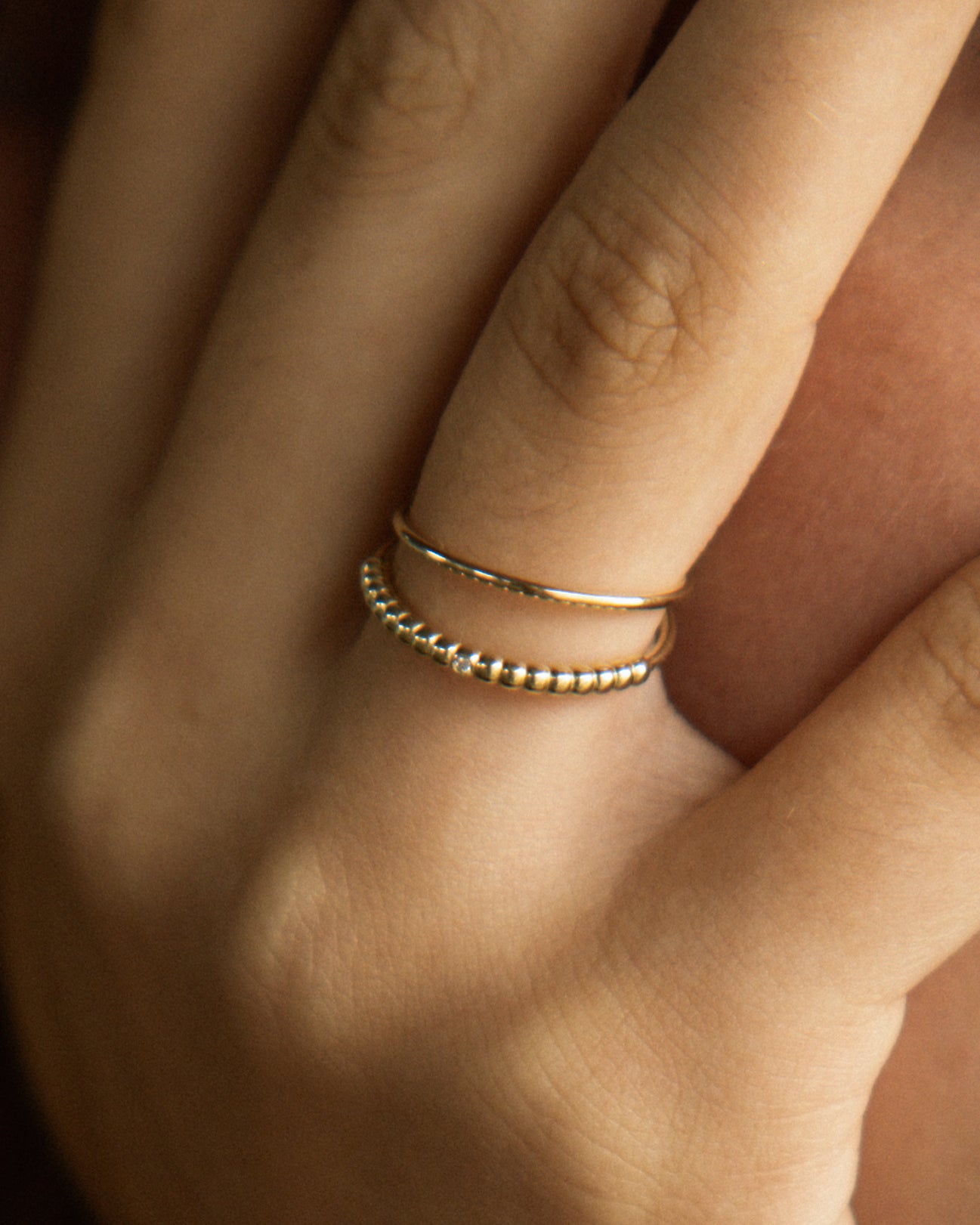
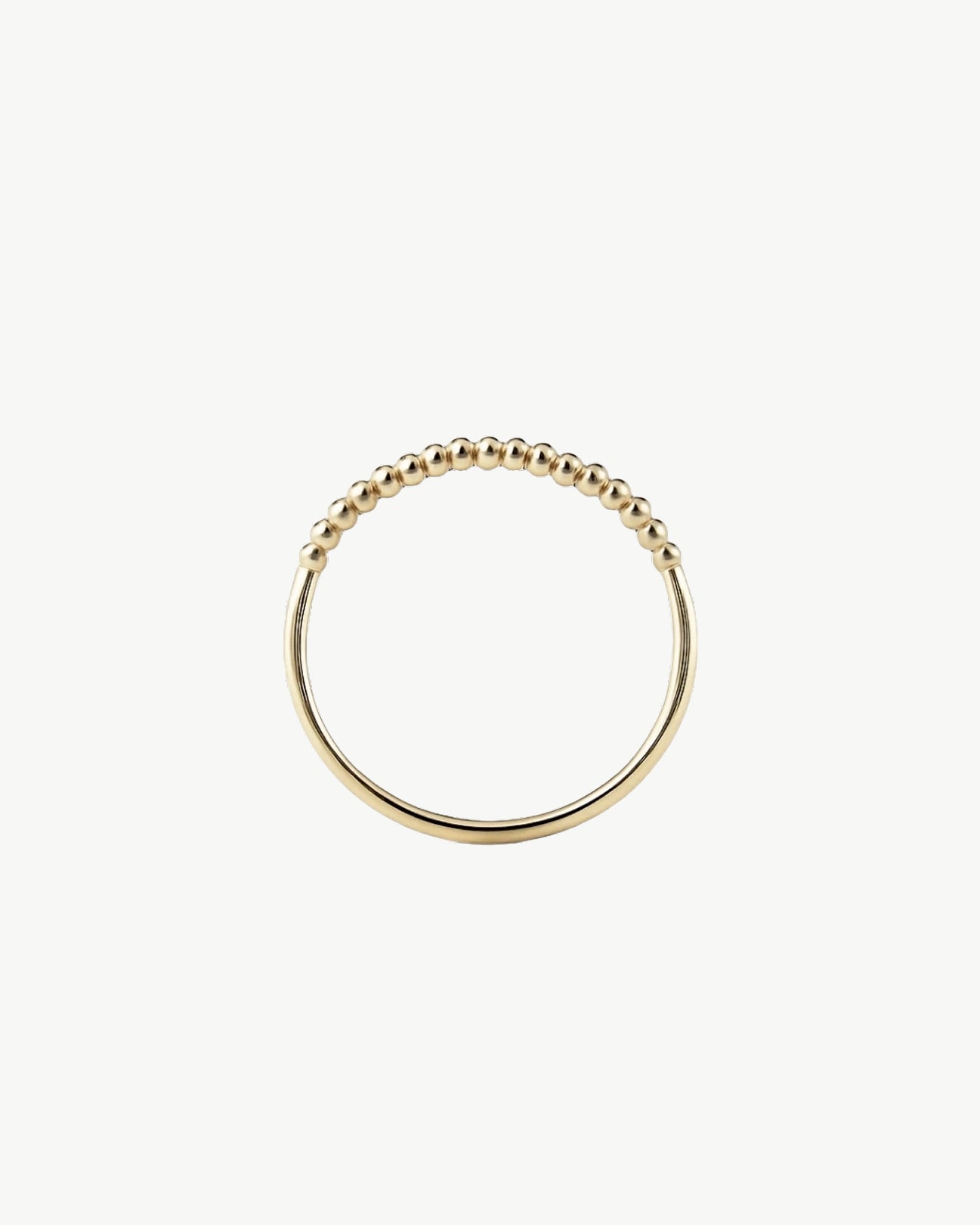
Solid gold jewelry is just that - gold through and through. At Muse of My Own, we work exclusively with solid gold (accompanied by diamonds, natural stones, or pearls), which means your jewelry is made from a single metal alloy that contains real gold mixed with strengthening metals like silver, copper, and zinc.
The beauty of solid gold is its durability. It doesn’t flake, fade, or tarnish. It’s naturally hypoallergenic. It’s built to last a lifetime and then some - which is why it’s the gold standard (pun intended) in heirloom-quality pieces.
While the karat number reflects the amount of pure gold present (24k being pure gold, which is too soft for everyday wear), lower-karat solid gold like 9k and 10k offers a perfect blend of strength and beauty. These alloys are especially great for active lifestyles - they resist scratching better than 14k or 18k and are ideal for rings, bracelets, and pieces you wear daily.
Gold-Plated Jewelry: A Temporary Shine
Gold-plated jewelry is where things start to get murky. On paper, it sounds appealing: a layer of real gold over a base metal like brass or stainless steel. But that layer is often incredibly thin - sometimes as little as 0.1 microns thick. That’s thinner than a strand of hair. This process is called flash plating, and it’s as fleeting as it sounds.
What happens next is predictable. With time - sometimes after just a few wears - the gold layer begins to wear away, revealing the dull, often reactive metal underneath. Exposure to sweat, water, or even the air can speed up the tarnishing process. That’s when your skin turns green, the jewelry loses its luster, and you start to wonder why you bought it in the first place.
Gold-plated jewelry is fine for a weekend look, but it’s not designed for the long haul.
Gold Vermeil: A Slight Upgrade with Caveats
Gold vermeil is often sold as a premium alternative to plating, and in some ways, it is. To legally be called vermeil in the U.S., a piece must have a base of sterling silver and a gold layer that’s at least 2.5 microns thick. That’s a better start than flash plating - but still, it’s not solid gold and not a forever piece.
Vermeil can last longer than standard plating, especially if you care for it well. But it’s still prone to fading and tarnighing, especially with frequent wear. Sweat, friction, and time will wear it down. What’s more, not every country enforces the same standards. Some brands use the word “vermeil” loosely, applying it to pieces that don’t meet the minimum requirements.
So while vermeil is certainly better than basic plating, it still comes with an expiration date - and requires far more delicate care.
Gold-Filled: Somewhere in Between
Gold-filled jewelry is often misunderstood. It’s not “filled with gold,” but rather, made with a thick gold layer that’s mechanically bonded to a base metal like brass. This layer is usually much thicker than gold plating, often 100x more, which makes gold-filled pieces more durable and resistant to wear.
Still, gold-filled jewelry isn’t solid gold. The gold layer can eventually wear away, and because it’s bonded rather than alloyed, it can’t be repaired or polished in the same way solid gold can. Over time, that matters.
Why Solid Gold Is Worth the Investment
At first glance, solid gold jewelry may seem like the more expensive option - and yes, upfront, it usually is. But think about the cost-per-wear. A gold-plated necklace might last you a season. A solid gold necklace will last you decades.
You won’t have to replace it. You won’t be scrubbing off tarnish. You won’t be wondering what mystery metals are hiding under the surface. You’re investing in a piece that won’t change on you - no matter how often you wear it.
At Muse of My Own, we don’t cut corners. All of our pieces are made with solid gold - no plating, no fillers, no fading. Just timeless designs you can wear every day and pass down someday.
So, Which One Should You Choose?
It depends on what you want. If you’re shopping for a fun, budget-friendly look for the weekend, gold-plated might do the trick. But if you’re building a collection of fine jewelry meant to last, solid gold is the only option that truly delivers - in beauty, in durability, and in value.
We believe your jewelry should rise to meet your life, not the other way around.
Want to see the difference yourself?
Explore our full collection of solid gold jewelry - no flaking, no fading, no compromises.