
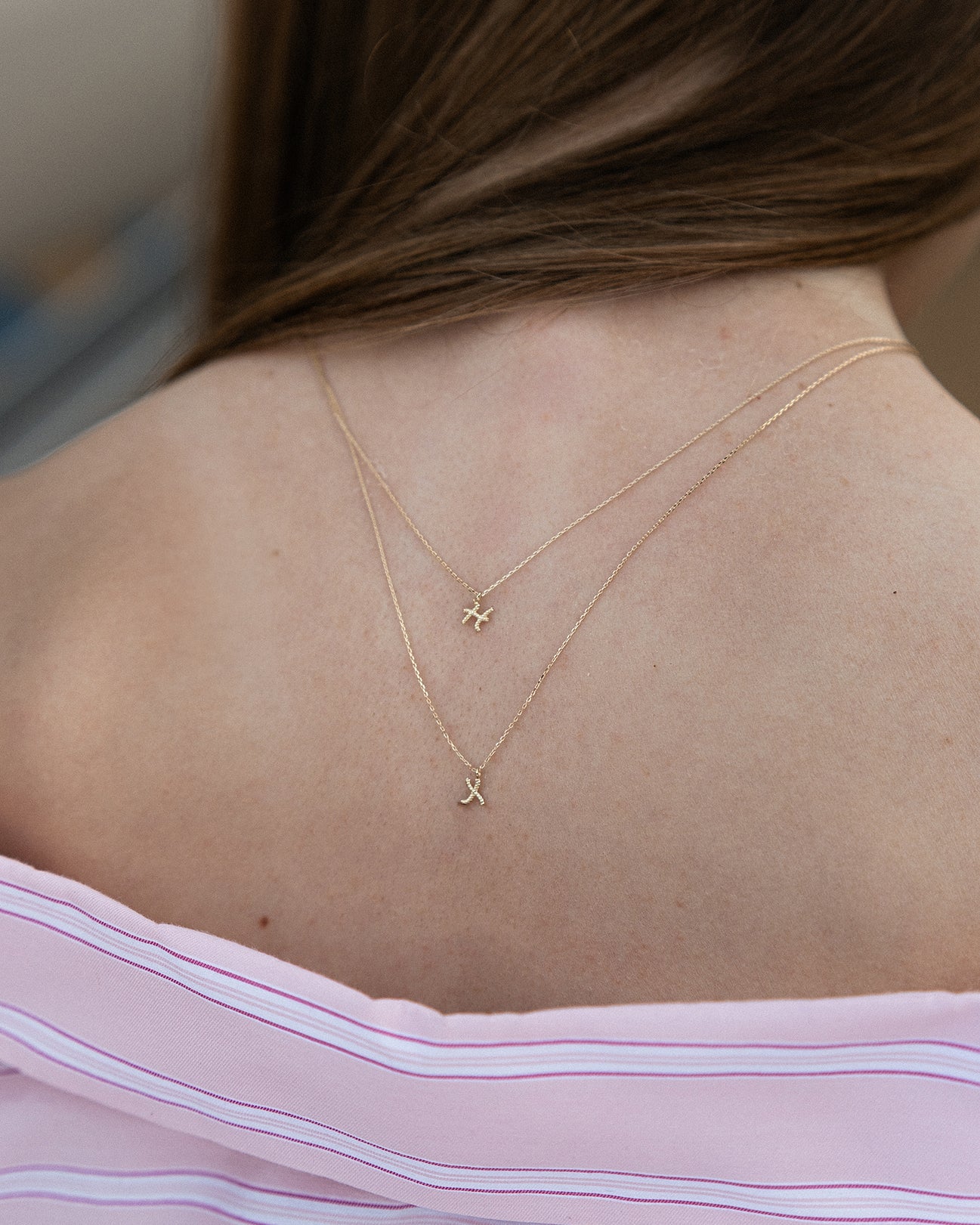

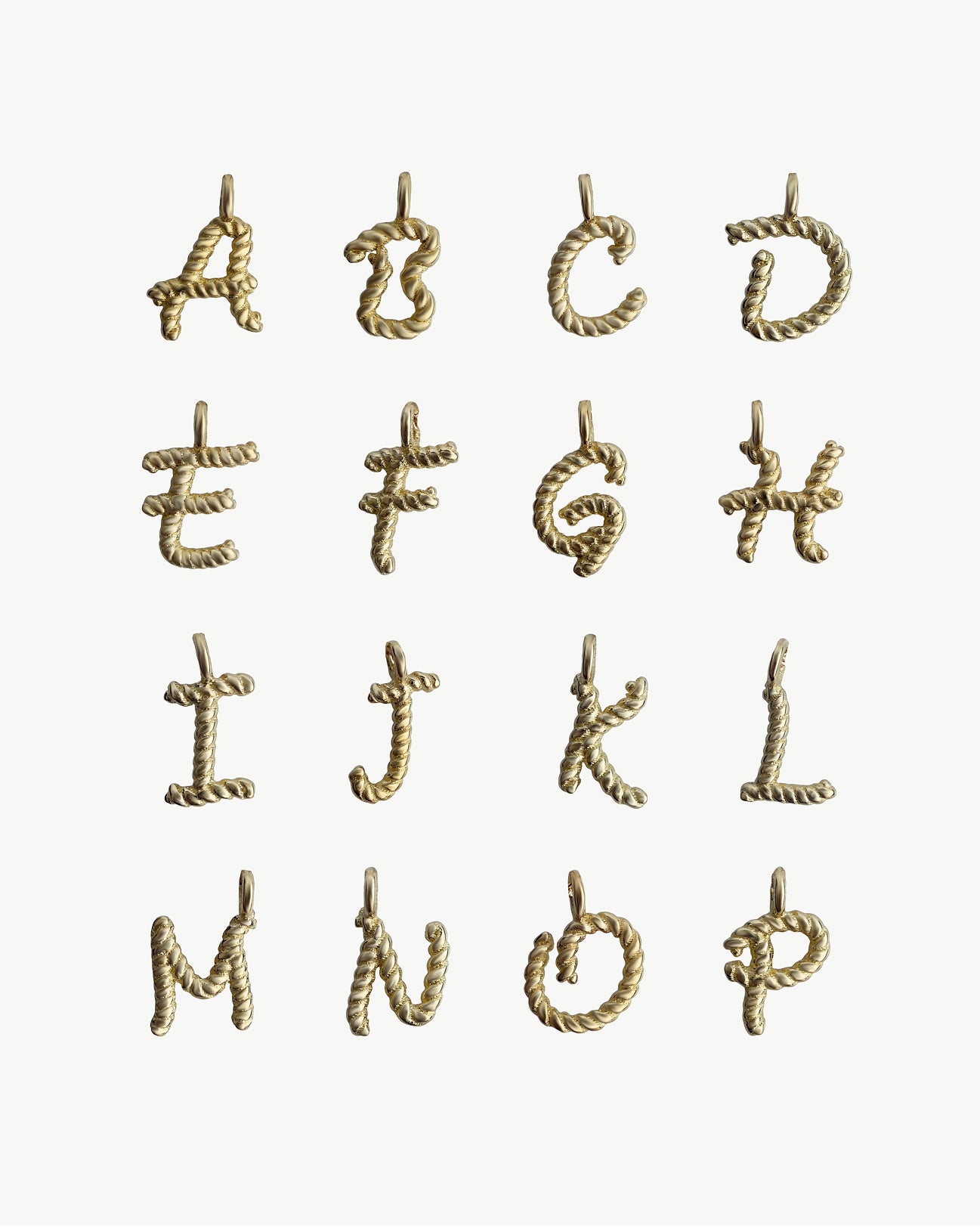



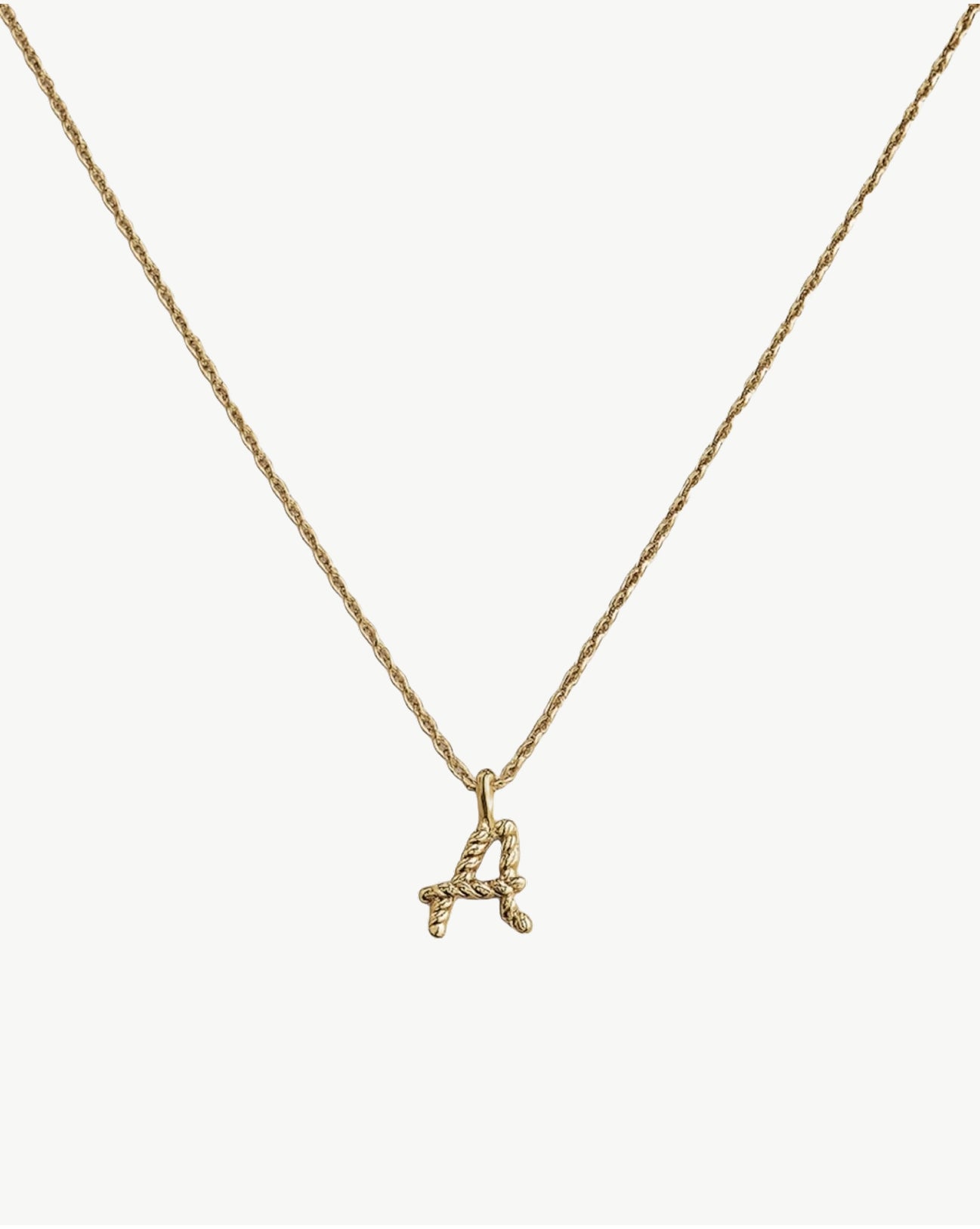

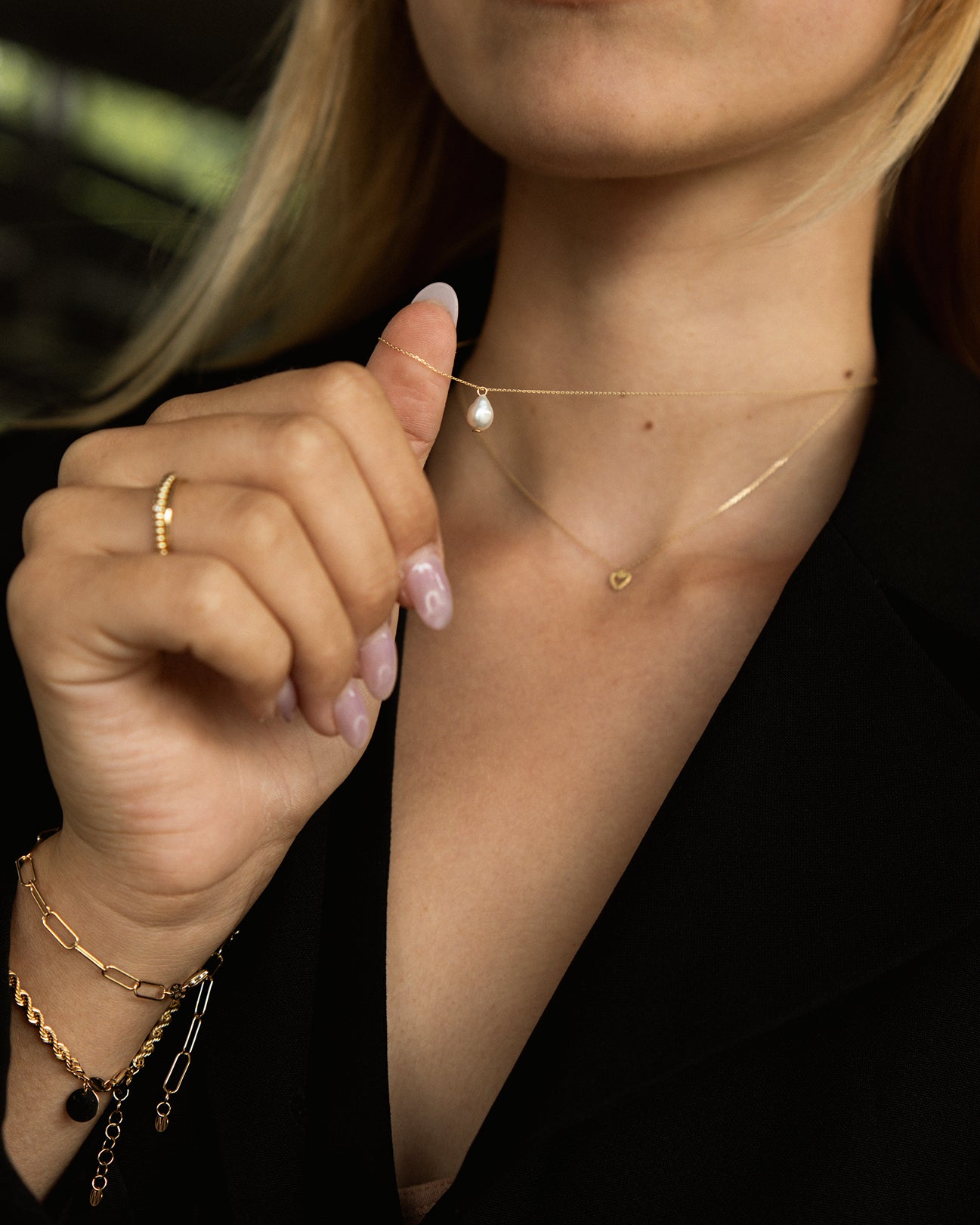






Jewellery is often judged by what we can see first. The shine of the metal. The shape of the setting. The weight of the piece. The way it catches light. The way it feels when you put it on. But the visible part of jewellery is only the final chapter.
Before a ring, necklace, bracelet, or pair of earrings reaches you, it has already passed through a longer story: materials, suppliers, manufacturers, workshops, workers, standards, checks, and decisions. Some of those decisions are obvious in the final piece. Many are not.
At Muse of My Own, we believe jewellery should be beautiful, but it should also be made with care. That means clear materials, responsible suppliers, European compliance expectations, and manufacturers who understand that jewellery quality is not only about polish and finish. It is also about how the piece is made.
One of the most recognised organisations in this space is the Responsible Jewellery Council, often shortened to RJC. But what does RJC certification actually mean? And why should customers care?
What is the Responsible Jewellery Council?
The Responsible Jewellery Council is an organisation that sets standards for responsible practices in the jewellery and watch supply chain. Its work focuses on the jewellery industry’s social, ethical, human rights, and environmental responsibilities. The RJC Code of Practices, often called the COP, defines requirements for responsible business practices throughout the jewellery supply chain, from mine to retail.
Jewellery supply chains can be complex. A single finished piece may involve mining, refining, alloying, manufacturing, stone cutting, polishing, trading, transport, wholesale, and retail. Responsible practice has to be considered across that wider system, not only at the final point of sale. The RJC exists to create a shared standard for companies operating in that world.
What is RJC certification?
RJC certification means a company has been assessed against the Responsible Jewellery Council’s standards. For commercial RJC members, certification against the Code of Practices is mandatory. The RJC describes the Code of Practices as a standard designed to establish responsible business practices throughout the jewellery supply chain. It covers areas such as legal compliance, responsible supply chains, human rights, labour rights, working conditions, health and safety, environmental performance, and product disclosure.
It is a process that involves reviewing whether a company’s management systems and practices meet the relevant standard. Third-party auditing is part of the certification process, and RJC-accredited audit firms assess companies against the Code of Practices. In plain language, RJC certification is a way for jewellery companies to show that their business practices have been checked against an external responsible-jewellery framework.
It does not mean every piece of jewellery is perfect. It does not remove every risk in the global supply chain. But it does mean the company has committed to a recognised standard and gone through a formal assessment process.
What does the RJC Code of Practices cover?
The RJC Code of Practices covers a broad range of responsible business issues. According to the RJC, the Code of Practices is made up of provisions designed around several broad objectives, including legal and regulatory compliance, responsible supply chain due diligence, human rights, labour conventions, responsible working conditions, health and safety, and environmental performance.
This is important because jewellery responsibility is not one single issue. It is not only about whether gold is recycled. It is not only about whether stones are lab-grown. It is not only about whether a factory is clean. It is not only about packaging. Responsible jewellery is a wider question.
It includes how businesses manage sourcing risks. It includes how they approach labour rights. It includes anti-corruption efforts, human rights due diligence, workplace conditions, legal compliance, health and safety, and environmental impact. A good standard needs to look at the full picture. That is what the RJC Code of Practices is designed to do.
Does RJC cover silver and gold?
Yes. The RJC Code of Practices applies across the jewellery and watch supply chain and includes materials such as gold and silver. The 2024 RJC Code of Practices states that it applies to gold, silver, platinum group metals, diamond, and coloured gemstone jewellery and watch supply chains.
This is especially relevant for Muse of My Own because our material world includes solid gold, 925 sterling silver, and 3 micron gold vermeil over sterling silver. Responsible manufacturing should not only matter when a piece is made from gold. It matters for silver too. It matters for vermeil too. It matters wherever jewellery is made and worn. That is why we care about the manufacturers behind our pieces, not just the finished product.
Why responsible jewellery manufacturing matters
Jewellery is personal. It touches the skin. It is given as a gift. It is worn through daily life. It becomes part of birthdays, anniversaries, personal milestones, quiet routines, and sometimes major life moments. Because jewellery feels intimate, it is easy to focus only on the emotional side. But the material and manufacturing side matters too.
A responsible manufacturer does not only make something look beautiful. It should also understand quality control, material documentation, worker safety, compliance, sourcing risk, and production standards. This is especially important in jewellery because supply chains can be difficult for customers to see. Most people cannot trace every step behind a piece. They have to rely on brands to choose suppliers carefully and communicate honestly.
Working with responsible manufacturers is one way to make that trust more concrete.
Why RJC matters for small and growing jewellery brands
For smaller jewellery brands, responsible manufacturing can be one of the most important ways to build credibility. Large luxury houses often have established supply-chain teams, long-standing suppliers, and extensive internal compliance departments. Smaller brands may not have the same scale, but they can still make careful choices.
One of those choices is working with manufacturers who meet recognised standards. If a manufacturer is RJC certified, or working within the RJC framework, that gives a small brand a stronger foundation. It does not replace the brand’s own responsibility, but it helps create a more reliable supply chain.
For Muse of My Own, this matters because we are building the brand across materials that customers wear every day: solid gold, 925 sterling silver, and 3 micron gold vermeil. The design is only one part of the decision. The manufacturer behind the design matters too.
How this connects to Muse of My Own
Muse of My Own is a European jewellery brand built around clear materials and considered everyday pieces. We started with solid gold. Now, as the collection grows, we are expanding into 925 sterling silver and 3 micron gold vermeil over sterling silver. These materials serve different preferences, different styles, and different ways of wearing jewellery. But the standard behind them should stay consistent.
That means we care about more than whether a piece looks good in a photograph. We care about what it is made from. We care about whether materials are disclosed clearly. We care about whether jewellery worn close to the skin meets relevant European compliance expectations. We care about the manufacturers behind the pieces.
Where possible, we work with manufacturers with recognised responsible-jewellery credentials, including RJC membership or certification where applicable. This wording is deliberate. Responsible sourcing and manufacturing claims should be precise. If a manufacturer is certified, we can say certified. If a manufacturer is a member, we should say member. If only certain parts of a supply chain are covered by a certification scope, that should be respected. That is how trust is built.
Why customers should care
Most customers are not expected to become supply-chain experts. You should not need to understand every standard, audit, and certification system before buying a pair of earrings. But you should be able to trust that a brand has done serious work before putting a product in front of you.
RJC certification is one sign that a company is working within a recognised responsible-jewellery framework. It can help customers understand that a business is not treating responsibility as an afterthought. It gives structure to questions that are otherwise difficult to see from the outside: labour, human rights, ethics, environmental practices, due diligence, legal compliance, and product disclosure.
For customers, this matters because jewellery is not disposable. Even small pieces carry value, emotion, and impact. When you choose jewellery, you are not only choosing the final object. You are also choosing the standards behind it.
How to read responsible jewellery claims
Because jewellery marketing can be vague, it helps to read responsible claims carefully. Look for specific wording.
- “RJC certified” should refer to a company or facility that is actually certified within the relevant scope.
- “RJC member” means the company is a member, which may not be the same as certified.
- “Responsible sourcing” should be supported by a clear explanation.
- “Recycled gold” should be documented.
- “Nickel-free” should be supported by supplier confirmation or testing.
- “Ethical” should not be used as a vague blanket claim with no details.
A brand does not need to explain every technical detail on every product page, but it should be willing to answer reasonable questions.
- What is the piece made from?
- Where is it manufactured?
- What standards does the manufacturer follow?
- Is the material claim supported?
- What does the certification actually cover?
Clear answers are a sign of a serious brand.
FAQs
What does RJC certification mean?
RJC certification means a company has been assessed against the Responsible Jewellery Council’s standards for responsible business practices in the jewellery supply chain.
What is the Responsible Jewellery Council?
The Responsible Jewellery Council is an organisation that sets standards for responsible practices across the jewellery and watch supply chain, from mine to retail.
Is RJC membership the same as RJC certification?
No. RJC membership and RJC certification are connected, but they are not the same. Membership means a company has joined the RJC. Certification means it has completed the required assessment against the relevant RJC standard.
What does the RJC Code of Practices cover?
The RJC Code of Practices covers areas such as legal compliance, responsible supply chains, human rights, labour rights, working conditions, health and safety, environmental performance, and product disclosure.
Does RJC certification mean jewellery is fully traceable?
Not necessarily. RJC Code of Practices certification relates to responsible business practices. Specific material traceability claims may require Chain of Custody certification or other supporting documentation.
Does RJC cover silver?
Yes. The RJC Code of Practices applies to jewellery and watch supply chains including gold, silver, platinum group metals, diamonds, and coloured gemstones.
Why does RJC certification matter for jewellery?
It matters because jewellery supply chains can be complex. RJC certification gives companies a recognised framework for managing responsible business practices, including ethics, human rights, labour, sourcing, and environmental issues.
Does Muse of My Own work with RJC-certified manufacturers?
Muse of My Own prioritises experienced, responsible manufacturers with recognised jewellery credentials, including RJC membership or certification where applicable. Specific claims should always match the supplier’s documented status.