










What Is 925 Sterling Silver? Why Muse of My Own Is Adding Silver Jewelry
Silver has always had its own place in jewelry. For some people, it is the metal they return to again and again. For others, it is the cooler contrast that makes yellow gold feel even warmer. Some people wear only silver. Some mix silver and gold without thinking twice. Some choose silver because it suits their skin tone, their wardrobe, their mood, or simply the way they like jewelry to feel.
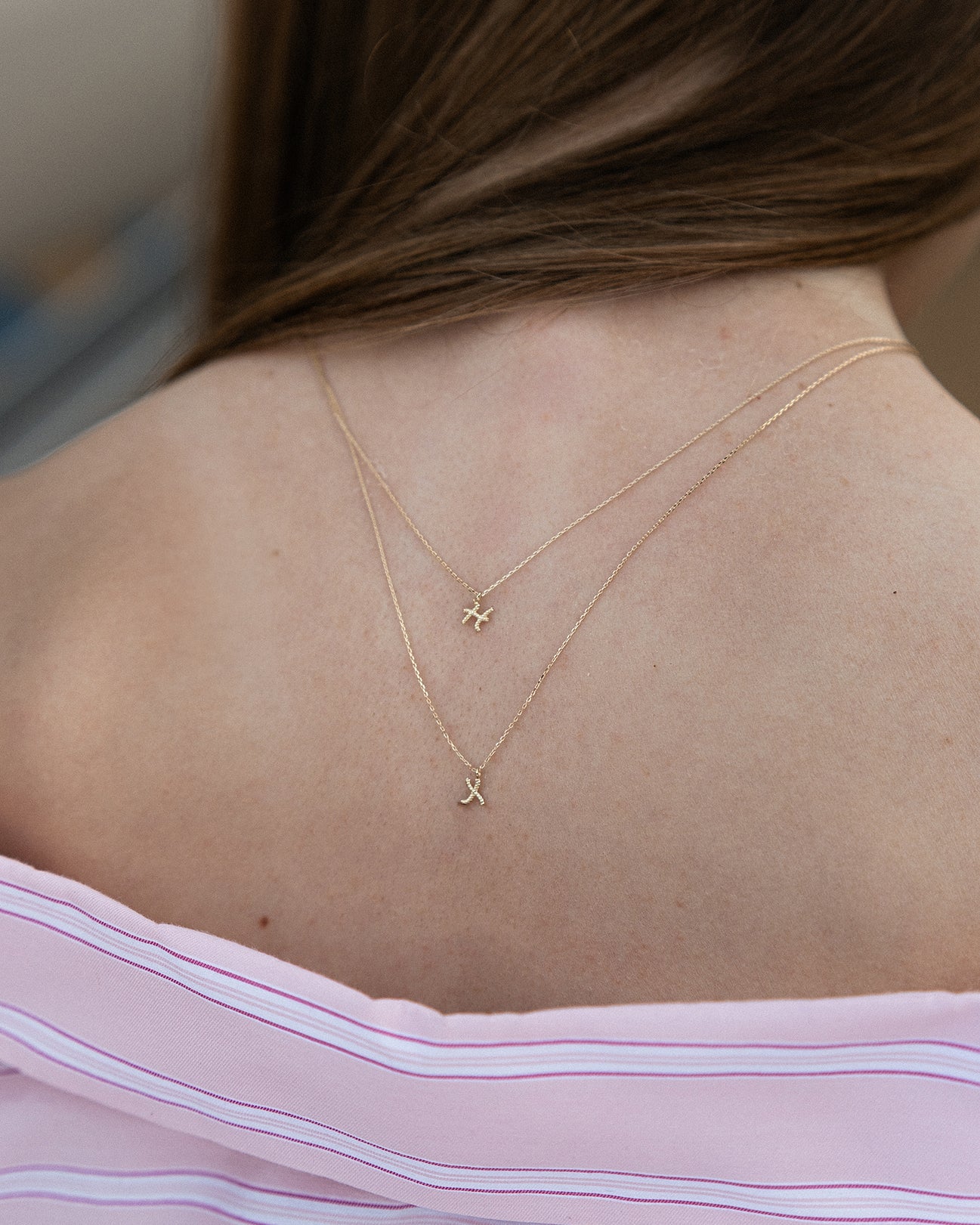
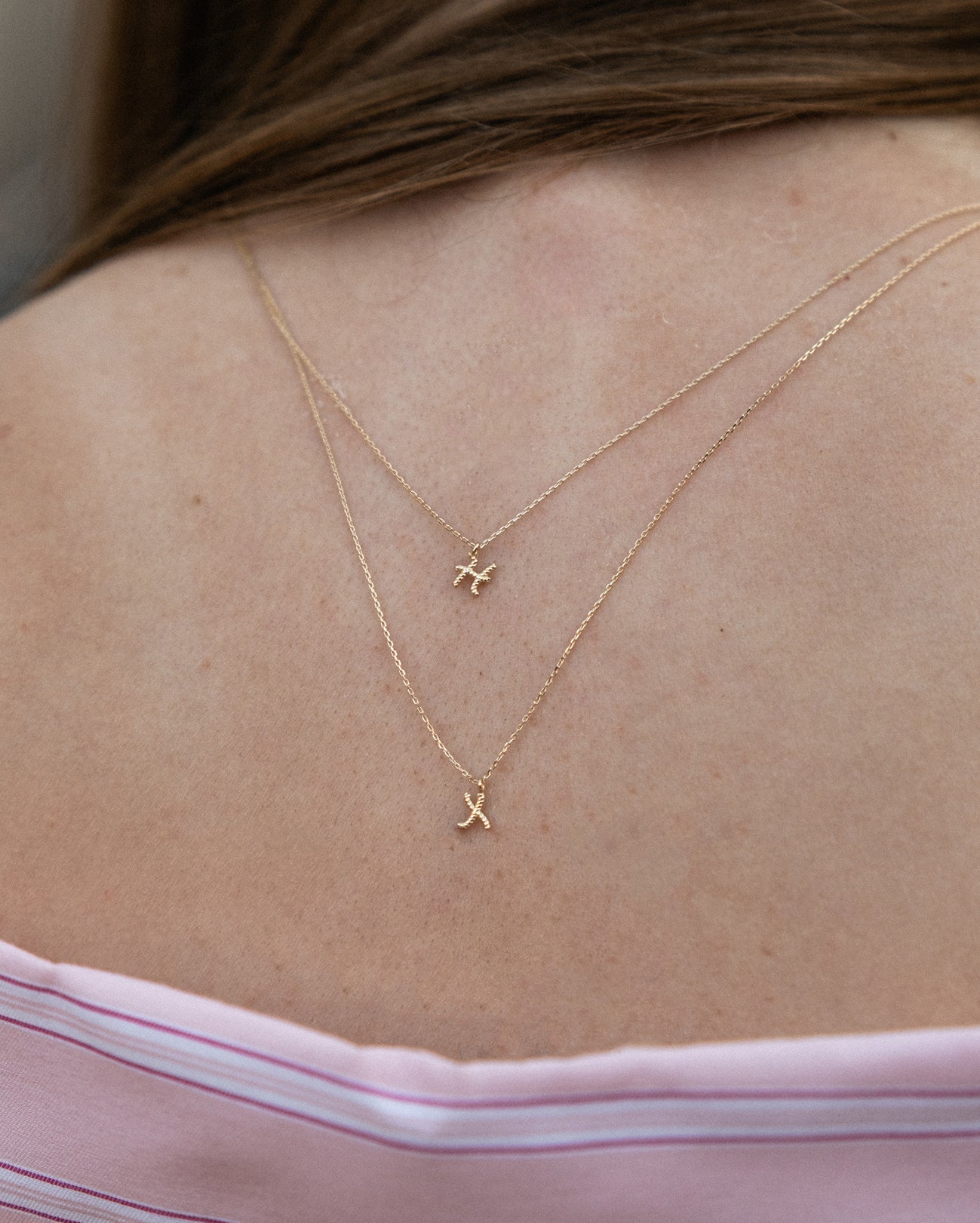
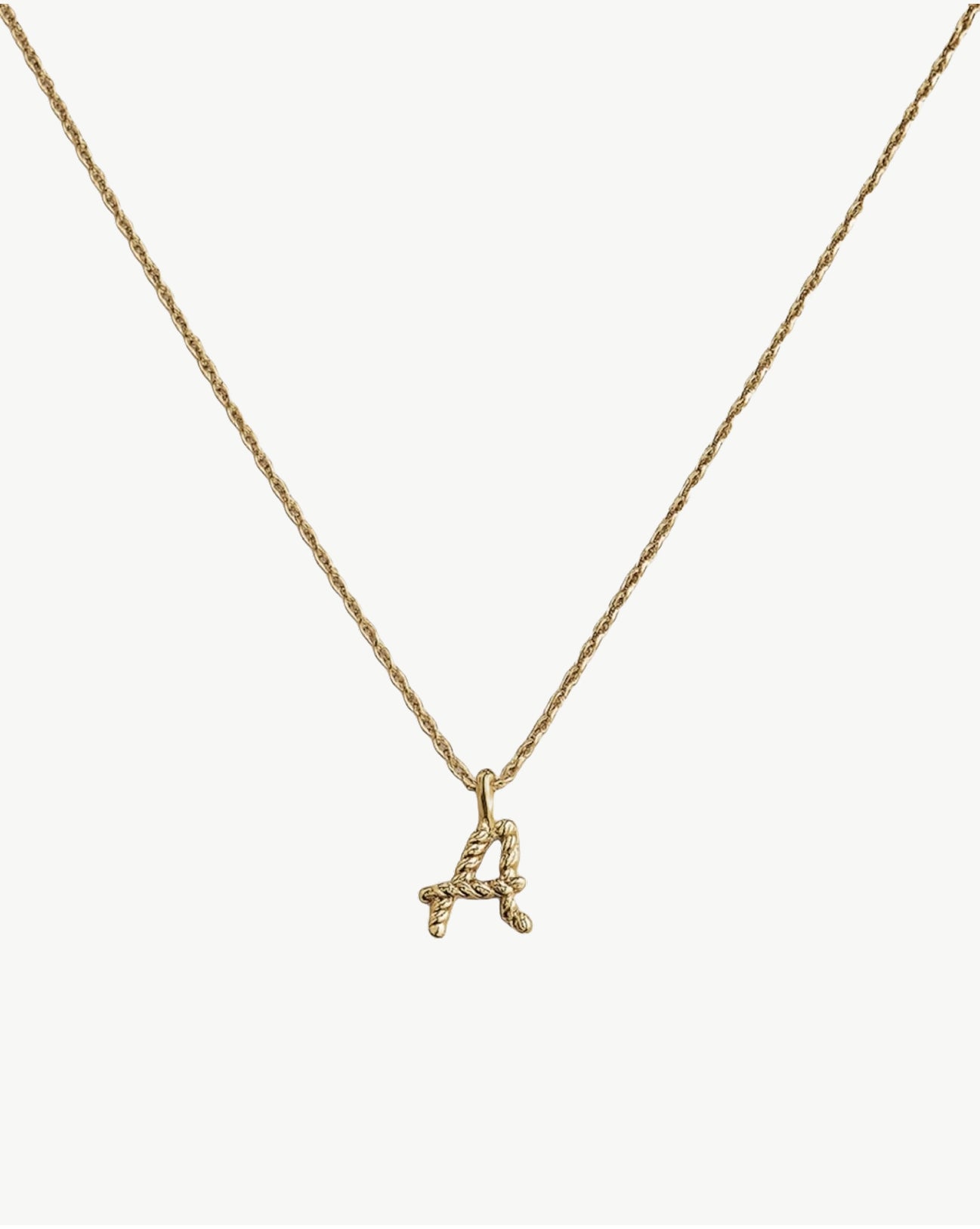
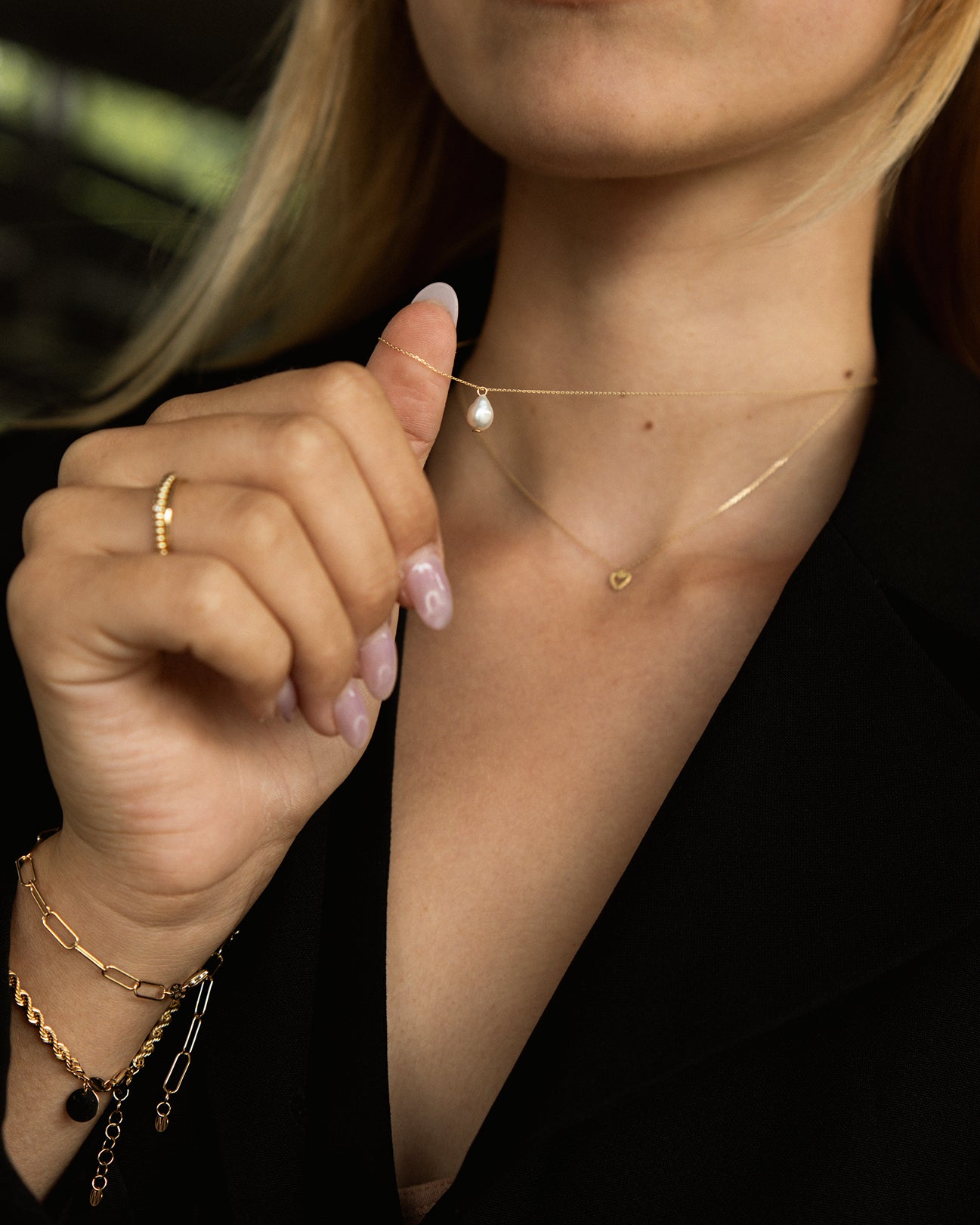
That is why at Muse of My Own we are finally adding our very first silver jewelry collection. Not as an alternative that sits below gold. Not as a compromise. Not as a “lesser” version of something else. Silver is its own choice.
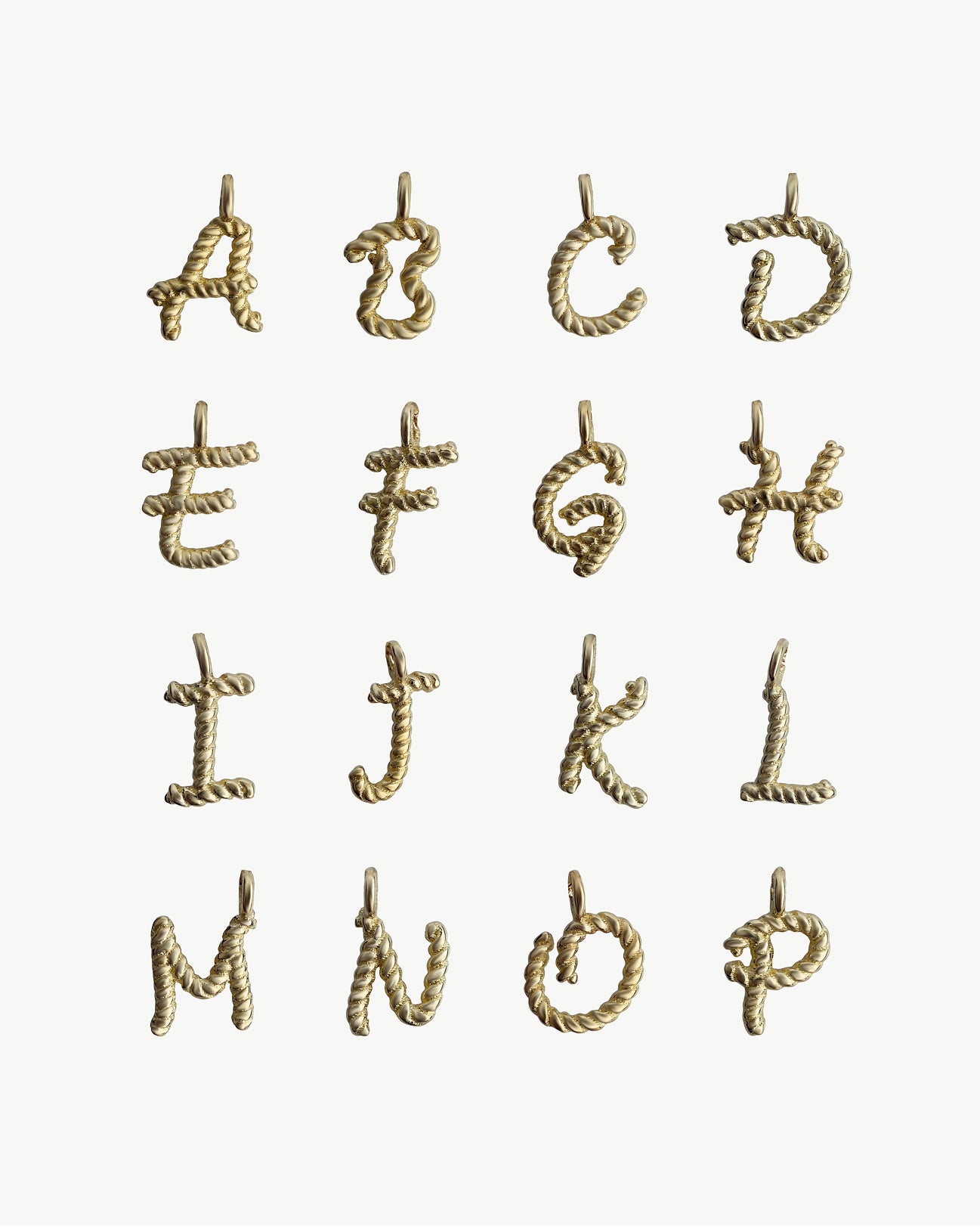
Until now, Muse of My Own has been rooted in solid gold, with a focus on lasting materials, European production, and everyday pieces designed with intention. As the collection grows, we are expanding into 925 sterling silver and 3 micron gold vermeil, giving customers more ways to build a jewelry wardrobe that feels personal.
The standard does not change because the colour changes. Our silver pieces are made in 925 sterling silver, with the same attention to quality, wearability, and responsible manufacturing that shapes the rest of the brand. That means clear material information, careful supplier choices, and compliance with European expectations for jewelry worn close to the skin.
What does 925 sterling silver mean?
925 sterling silver means the piece contains 92.5 percent silver. The number 925 refers to purity in parts per thousand: 925 parts out of 1,000 are pure silver. The remaining 7.5 percent is made up of other metals, usually added to give the silver more strength for jewelry. This is the standard most people mean when they say “sterling silver.”
The Assay Office explains that a 925 mark means a piece contains 92.5 percent silver, confirming that it is sterling silver. This matters because silver-colored jewelry is not always sterling silver. A piece can look silver and still be made from a lower-cost base metal. It can be silver-tone, silver-plated, stainless steel, or another alloy finished to resemble silver. That does not make it automatically bad, but it does make it different.
925 sterling silver is a precious metal alloy. Silver-tone jewelry is a look. That distinction is important.
Why not use pure silver?
Pure silver is beautiful, but it is soft. Jewelry needs to hold shape, keep its structure, support clasps and posts, and survive ordinary movement. That is why sterling silver is used: it keeps a very high silver content while adding enough strength to make the material more wearable.
The result is a metal that still has the brightness and value of silver, but is more practical for jewelry. This is why 925 sterling silver became such an important standard. It balances purity and wearability. For everyday pieces, that balance matters.
Silver is not just a colour
One of the reasons we wanted to add silver to Muse of My Own is simple: silver is not just a cheaper way to buy jewelry. It has its own visual language.
Silver feels cooler, softer, and often more understated than yellow gold. It works beautifully with white shirts, black knitwear, denim, soft grey, navy, cream, and minimal tailoring. It can feel clean and modern, or classic and romantic, depending on the design.
It also mixes beautifully with gold. For a long time, people were told to choose one metal and stick to it. But modern jewelry does not really work that way anymore. A silver ring next to a gold bracelet can feel effortless. A silver chain layered with a gold pendant can make both metals more interesting. Mixed metals give a jewelry wardrobe more texture, more contrast, and more personality.
So for us, adding silver is not about replacing gold. It is about giving more space to personal style.
925 sterling silver vs silver-plated jewelry
This is where material clarity matters. 925 sterling silver means the piece is made from a silver alloy containing 92.5 percent silver. Silver-plated jewelry usually means a thin layer of silver has been applied over another base metal. The base underneath may be brass, copper, zinc alloy, or another non-precious metal.
Both can look similar when new. They are not the same material. With sterling silver, the precious metal is part of the piece itself. With silver-plated jewelry, the silver is only on the surface. If that surface layer wears down, the base metal underneath can become visible.
This is why we believe customers should always know what they are buying.
If a piece is sterling silver, it should say 925 sterling silver.
If a piece is silver plated, it should say silver plated.
If a piece is stainless steel, it should say stainless steel.
If a piece is silver-tone, it should say silver-tone.
Beautiful jewelry should not require guessing.
925 sterling silver vs stainless steel
Stainless steel has become popular in jewelry because it is durable, affordable, and often resistant to everyday corrosion. For some people, it makes sense. But stainless steel is not a precious metal in the same way silver is.
That is the main difference. Sterling silver has intrinsic precious metal value. It can tarnish, yes, but it can also be cleaned, polished, repaired, and worn for years when cared for properly. It has a long history in jewelry and a different material character from steel.
Stainless steel is practical. Sterling silver is precious. One is not automatically better for every person, but they are not interchangeable. If you are buying silver jewelry because you love the look of silver and want a precious metal, 925 sterling silver is the material to look for.
Does 925 sterling silver tarnish?
Yes, sterling silver can tarnish. That does not mean it is poor quality. In fact, tarnish is a normal behaviour of silver. Silver can react with sulfur-containing compounds in the air, creating a darker surface layer. The Canadian Conservation Institute explains that silver tarnish is mainly black silver sulphide, caused by sulfur-containing compounds such as hydrogen sulfide in the air.
This is why a real sterling silver piece may darken over time, even when it is not worn often. Tarnish can feel frustrating, but it is not the same as the jewelry being ruined. In many cases, silver can be cleaned and restored with appropriate care. This is one of the beautiful things about sterling silver: it is a real material. It changes with air, storage, skin, and time. But it can also be maintained.
Why silver quality matters
Not all silver jewelry is made with the same level of care. The 925 standard tells you the silver content, but quality also depends on manufacturing: how the piece is formed, how clasps and posts are made, how surfaces are finished, how stones are set, and how the final piece is checked.
A silver earring post should feel secure.
A clasp should work properly.
A chain should move smoothly.
A ring should feel comfortable against the skin.
A surface should be finished with care.
This is why we do not think about silver only as a material. We think about the full piece. The metal matters. The manufacturing matters. The finishing matters. The compliance matters. That is where better jewelry begins.
Why Muse of My Own works with responsible manufacturers
As Muse of My Own expands into silver, we are keeping the same principle we began with: work with manufacturers we can trust. For us, that means choosing experienced jewelry manufacturers with recognised quality systems, responsible production standards, and the ability to provide clear material information. Where available, we prioritise manufacturers with recognised responsible-jewelry credentials, including Responsible Jewellery Council membership or certification.
The Responsible Jewellery Council’s Code of Practices defines requirements for responsible business practices throughout the jewelry supply chain, from mine to retail. Its 2024 Code of Practices applies across the jewelry and watch supply chain, including silver, gold, platinum group metals, diamonds, and coloured gemstones. This matters because jewelry is not only about the final piece.
It is also about how materials move through the supply chain, how workers are treated, how businesses manage risk, and how environmental and ethical responsibilities are handled. A beautiful piece should not depend on vague sourcing or unclear manufacturing.
REACH compliance and jewelry worn close to the skin
Because Muse of My Own is a European business, European product expectations matter deeply to us. Jewelry is worn close to the skin. Earrings, necklaces, bracelets, and rings can be in direct contact with the body for long periods. That is why compliance is not a minor detail.
In the EU, REACH includes restrictions on nickel release for articles intended to come into direct and prolonged contact with the skin. These nickel restrictions were originally established under the Nickel Directive and are now incorporated into REACH Annex XVII, Entry 27.
This is especially relevant for jewelry such as earrings, necklaces, bracelets, chains, anklets, and rings. For Muse of My Own, silver jewelry should not only look beautiful. It should be made with the standards expected for jewelry worn every day, close to the skin.
A careful note on wording: “nickel-free” should always be supported by supplier documentation or testing. The strongest and most accurate standard is to work with manufacturers who can confirm compliance with EU nickel-release restrictions for jewelry intended for direct and prolonged skin contact. Where we use the term nickel-free, it should be backed by manufacturer confirmation.
Why this matters for sensitive skin
Many customers care about silver jewelry because they want something beautiful and wearable, but also because they are careful about what touches their skin. Sensitive skin is personal. No material can be promised to suit every single wearer. Skin reactions can depend on alloy composition, plating, skin chemistry, moisture, cosmetics, perfume, sweat, and individual sensitivity.
But material transparency helps. Knowing that a piece is 925 sterling silver is more useful than being told only that it is “silver colour.” Knowing that a manufacturer works to EU REACH requirements is more meaningful than vague claims about quality. Knowing whether a piece is solid gold, gold vermeil, sterling silver, plated, or stainless steel helps customers make better choices.
That is what we want to offer: not exaggerated promises, but clear information.
How silver fits into the Muse of My Own collection
Muse of My Own now works across three core material directions:
Solid gold.
3 micron gold vermeil.
925 sterling silver.
Each one has its own purpose: Solid gold is for long-term gold pieces, especially the jewelry you want to wear often and keep for years. Gold vermeil gives you real gold over sterling silver, with Muse choosing 3 microns rather than stopping at the common 2.5 micron baseline. Sterling silver offers a precious metal in its own cool tone, perfect for customers who love silver, prefer a softer shine, or enjoy mixing metals.
These are not ranked as “best, second best, third best.” They are different choices. The best material depends on the piece, how you wear it, what tone you prefer, and what kind of jewelry wardrobe you want to build.
How to choose good sterling silver jewelry
When buying silver jewelry, start with the material description. Look for 925 sterling silver, sterling silver, or 925 silver. If a product only says “silver colour,” “silver tone,” or “silver plated,” it may not be sterling silver.
Then look at the details.
Is the manufacturer or brand clear about the material?
Is the piece intended for skin contact?
Is there information about compliance?
Are stones, coatings, or finishes disclosed?
Does the brand explain how to care for the piece?
You do not need to become a metals expert to buy good jewelry. But you should not have to guess. A good jewelry brand should make the material easy to understand.
How to care for 925 sterling silver
Sterling silver can last beautifully, but it benefits from care. Store silver in a dry place, away from bathrooms and humidity. Keep pieces separate so they do not scratch each other. Put jewelry on after perfume, lotion, sunscreen, and skincare. Remove it before showering, swimming, exercising, cleaning, or sleeping.
If silver starts to look darker or dull, that may be tarnish or surface buildup. A soft, non-abrasive cloth is usually the safest first step. For more significant tarnish, professional cleaning may be the safest option, especially for delicate pieces or jewelry with stones. Silver is not difficult to love, but it does ask for a little attention. That is part of wearing real materials.
FAQs
What does 925 sterling silver mean?
925 sterling silver means the jewelry contains 92.5 percent silver. The number 925 refers to 925 parts per thousand being pure silver.
Is 925 sterling silver real silver?
Yes. 925 sterling silver is real silver alloyed with a small percentage of other metals to make it more suitable for jewelry.
Is sterling silver better than silver-plated jewelry?
Sterling silver and silver-plated jewelry are different. Sterling silver contains silver throughout the piece, while silver-plated jewelry has only a thin layer of silver over another base metal.
Does 925 sterling silver tarnish?
Yes, sterling silver can tarnish over time. Tarnish is a natural surface reaction and does not mean the piece is fake or poor quality.
Can tarnished sterling silver be cleaned?
Often, yes. Tarnish on sterling silver can usually be improved with proper care, although delicate or stone-set pieces may need professional cleaning.
Is 925 sterling silver good for everyday jewelry?
Yes, 925 sterling silver can be a beautiful choice for everyday jewelry when cared for properly. It is a precious metal, but it should still be protected from water, perfume, sweat, and harsh chemicals.
Is Muse of My Own silver jewelry nickel-free?
Muse of My Own works with manufacturers who meet European compliance expectations, including REACH requirements for jewelry worn close to the skin. The term nickel-free should only be used where supported by manufacturer confirmation or testing.
Why is Muse of My Own adding silver jewelry?
Because silver has its own beauty and its own place in a jewelry wardrobe. Some customers prefer silver, some love mixed metals, and some want different materials for different pieces. Muse is adding 925 sterling silver while keeping the same focus on quality and responsible production.