










For a long time, accessories were treated as the easiest part of fashion to buy quickly. A pair of earrings for one outfit. A ring stack for one season. A necklace bought because it looked good in a photo. A bracelet that felt exciting for a week, then slowly disappeared into a drawer.
Fast fashion made accessories feel effortless. They were inexpensive, trend-led, and easy to replace. But that same ease is exactly what made them feel temporary. More people are now questioning that cycle. Not because everyone suddenly wants to buy traditional fine jewelry only. Most people are not looking for a diamond tennis necklace for everyday life. What they want is something in between: jewelry that feels elevated, wearable, and better made, without requiring every piece to be a major investment. That is where demi-fine jewelry comes in.
Demi-fine jewelry sits between traditional fine jewelry and fashion jewelry. At its best, it offers better materials, clearer construction, and more lasting value than disposable accessories. It is not always solid gold. It is not always high fine jewelry. But it should be made from materials that are more considered than mystery alloys and thin coatings.
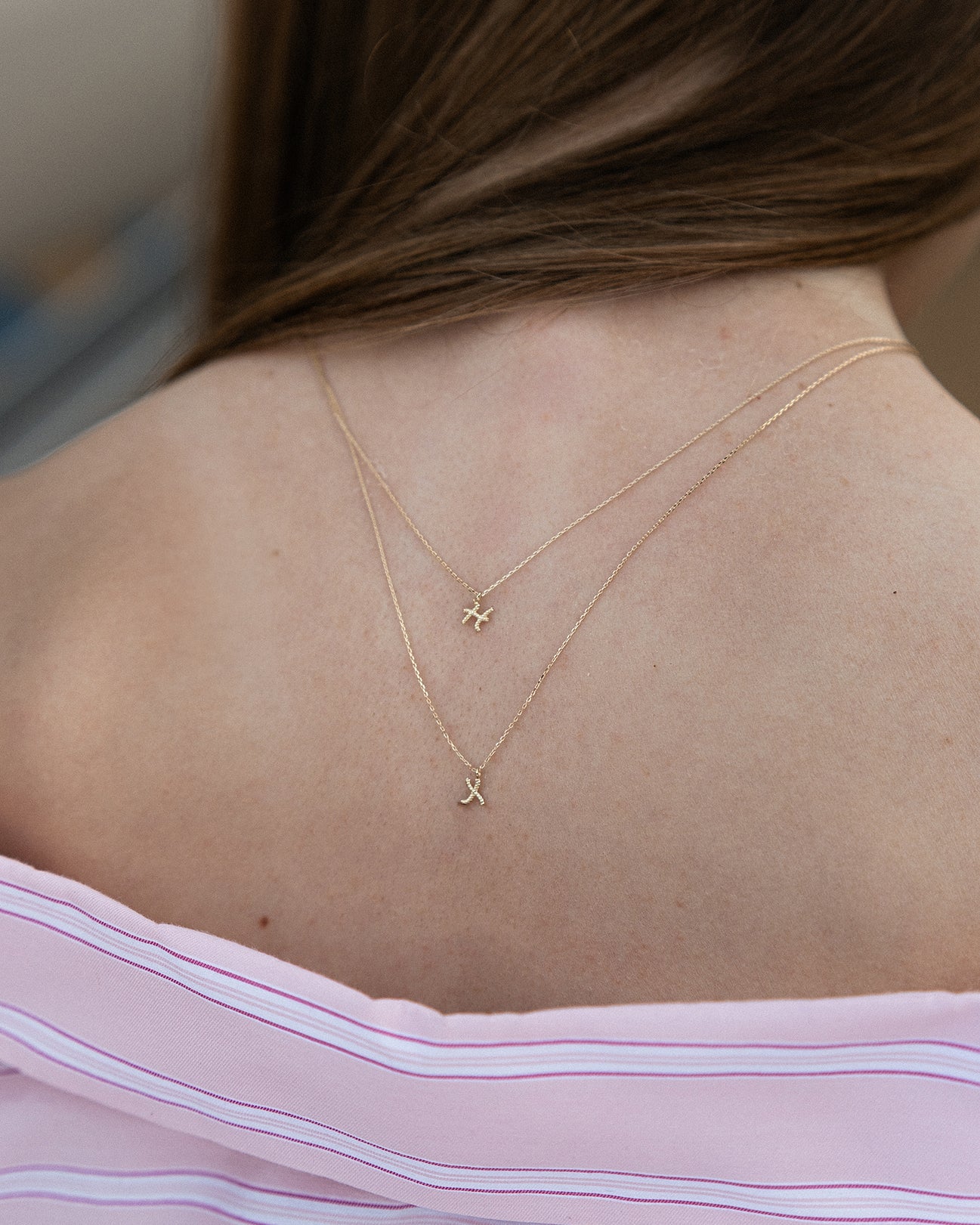
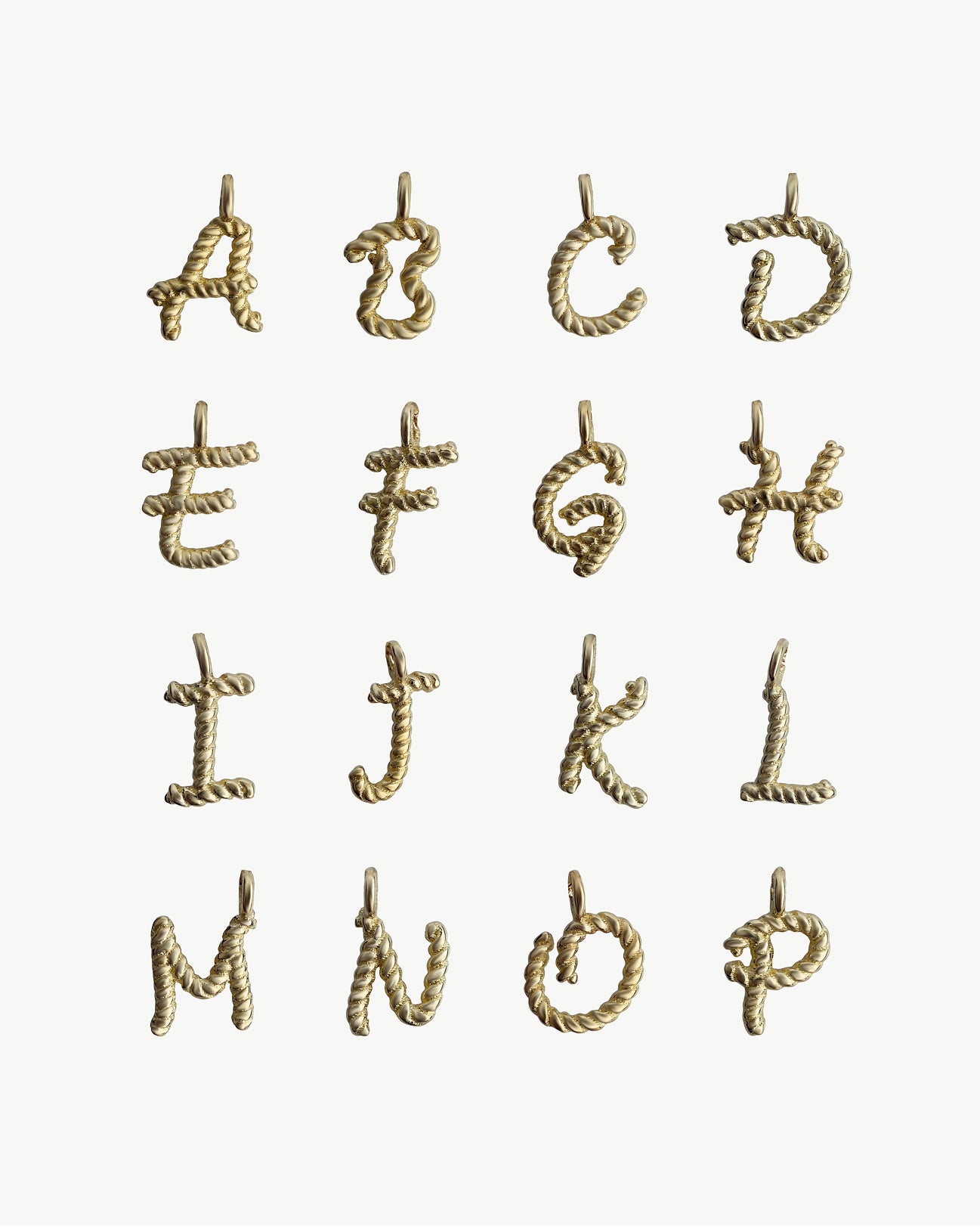
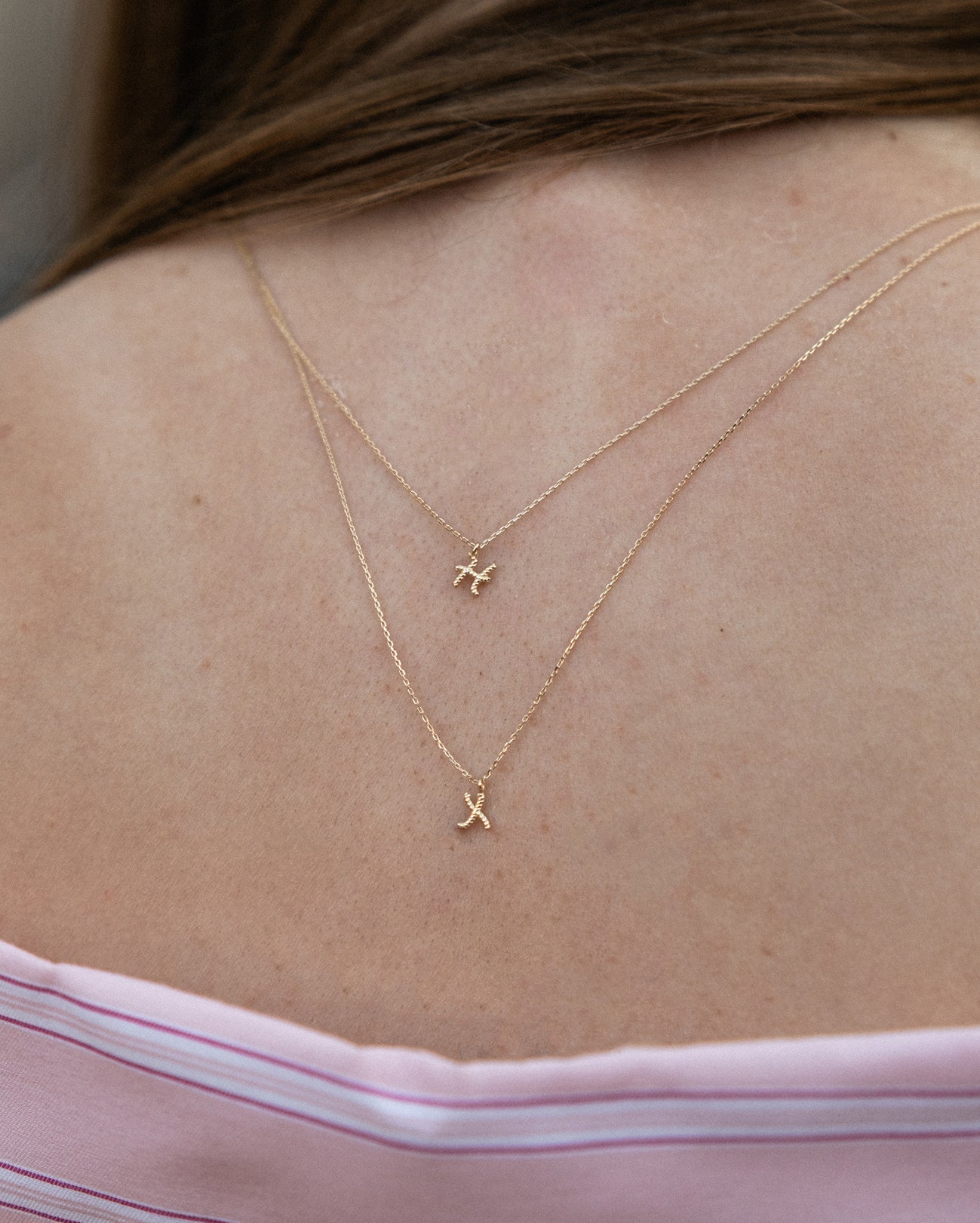
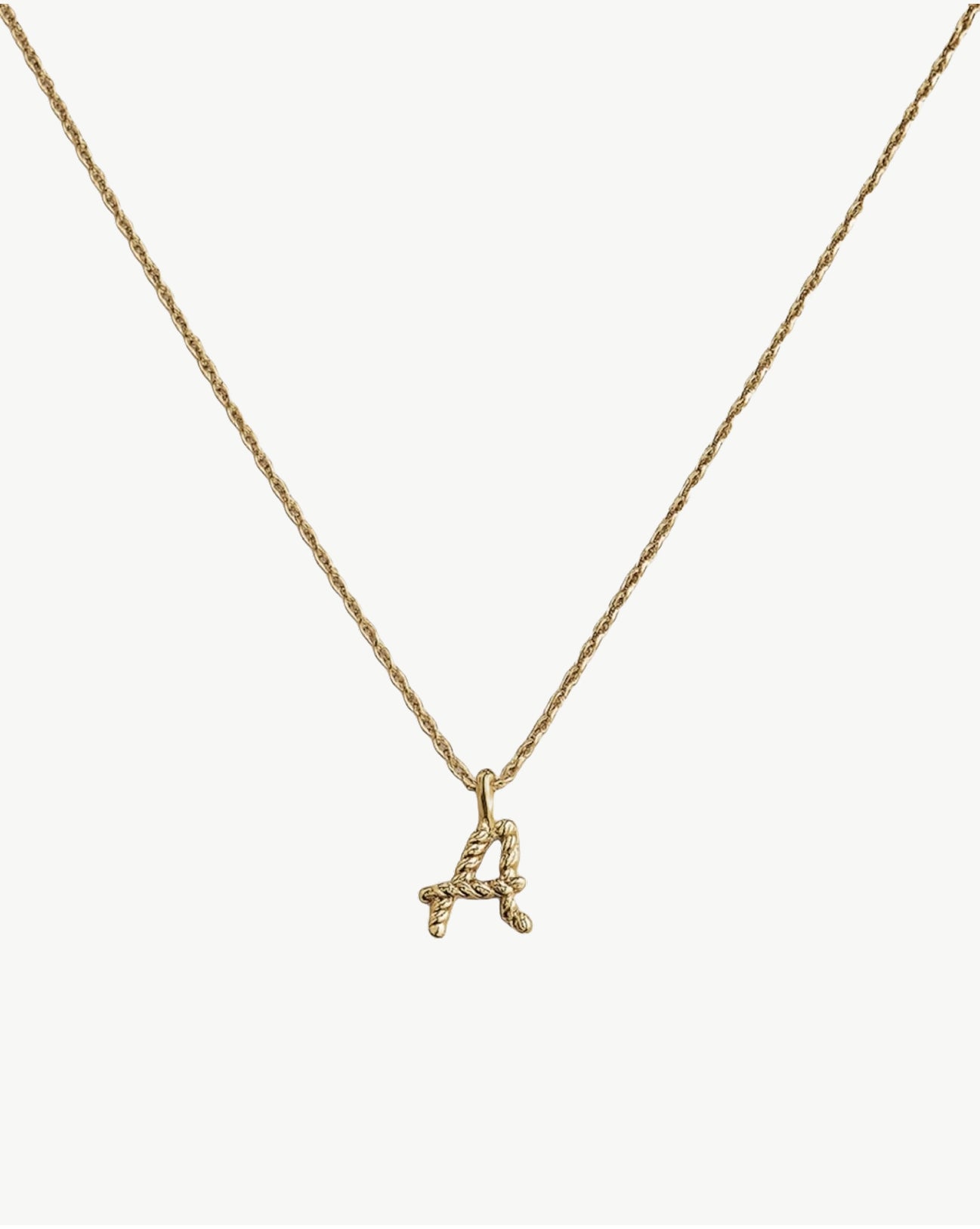
At Muse of My Own, that means working across solid gold, 925 sterling silver, and 3 micron gold vermeil over sterling silver. Different materials for different preferences, but always with the same idea: jewelry should be understood before it is bought.
What is fast fashion jewelry?
Fast fashion jewelry is usually designed around speed, trend, and price. It often follows what is popular at the moment: oversized hoops, chunky chains, colourful charms, stacked rings, statement cuffs, or whatever shape is moving through social media that season. There is nothing wrong with enjoying trends. Jewelry should be fun too. The issue is not style. The issue is disposability.
Many fast fashion accessories are made with lower-cost base metals, thin plating, imitation stones, and vague material descriptions. They may look beautiful when new, but they are often not designed to be repaired, restored, or worn for years. The product language can also be unclear. A piece might be described as “gold tone,” “silver colour,” “premium plated,” or “stainless finish” without telling you much about what is actually touching your skin. That is where customers are becoming more cautious. People still want beauty. They still want newness. They still want pieces that feel current. But they increasingly want to know what they are buying.
Why people are moving away from disposable accessories
The shift away from fast fashion accessories is part of a wider change in how people think about consumption. In fashion more broadly, the environmental impact of fast production and short product life cycles has become harder to ignore. The European Commission notes that EU consumption of textiles has, on average, the fourth highest impact on the environment and climate change, after food, housing, and mobility. It is also the third highest area of consumption for water and land use.
The European Parliament has also highlighted the environmental pressure of textile consumption, noting that textile purchases in the EU in 2022 generated about 355 kg of CO2 emissions per person.
Jewelry is not the same as clothing, but the mindset is connected. When people become more aware of overconsumption in fashion, they often start looking differently at accessories too. The question changes from “What can I buy cheaply right now?” to “What do I actually want to keep wearing?” That is a very different way to shop. It does not mean never buying something trend-led. It means choosing pieces with more intention.
What is demi-fine jewelry?
Demi-fine jewelry is the space between fashion jewelry and traditional fine jewelry. Fine jewelry is usually made from precious metals such as solid gold or platinum, often with diamonds or valuable gemstones. These pieces are usually designed for long-term wear and can often be repaired, resized, polished, or passed down. Fashion jewelry is usually more trend-led and often made from lower-cost base metals, coatings, and imitation stones.
Demi-fine jewelry sits in the middle. It often uses materials such as 925 sterling silver, gold vermeil, gold-filled metals, lower-karat solid gold, lab-grown diamonds, or semi-precious stones. The exact definition can vary because “demi-fine” is a market term, not a single legal material category.
A piece described as demi-fine should still tell you what it is made from. Is it solid gold? Sterling silver? Gold vermeil? Gold plated brass? Stainless steel? If a brand cannot tell you, the word “demi-fine” does not mean very much. Good demi-fine jewelry is not about sounding expensive. It is about using better materials and explaining them clearly.
Why demi-fine jewelry feels more relevant now
Demi-fine jewelry fits the way many people actually dress today. Most wardrobes are no longer divided into strict categories of “everyday” and “special occasion.” People wear jeans with beautiful earrings. They wear fine chains with white T-shirts. They mix vintage with new pieces, solid gold with silver, and simple everyday jewelry with one more expressive piece.
Jewelry has become part of personal styling, not just formal dressing. This makes demi-fine jewelry useful. It gives people access to pieces that feel more elevated than fast fashion accessories, but still wearable in real life. You can build a jewelry wardrobe slowly: a solid gold staple, a sterling silver piece for cooler styling, a pair of gold vermeil earrings, a ring that feels seasonal, a necklace you wear often.
The goal is not to own more. The goal is to own better.
Better materials change the relationship with jewelry
The difference between fast fashion accessories and demi-fine jewelry is not only price. It is the relationship you have with the piece. When a piece is made from unknown base metal and thin coating, it often feels temporary from the beginning. You wear it until it changes colour, irritates your skin, loses its finish, or no longer feels relevant. When a piece is made from solid gold, sterling silver, or properly made gold vermeil, you think about it differently.
You store it more carefully.
You understand how to clean it.
You consider how it fits with the rest of your jewelry.
You expect it to stay in your wardrobe longer.
A jewelry wardrobe built around better materials does not have to be huge. In fact, it often becomes smaller and more personal.
Solid gold, sterling silver, and gold vermeil all have a place
One of the biggest misunderstandings about better jewelry is that everything has to be solid gold. Solid gold is beautiful and long-lasting. It is often the strongest choice for pieces you want to wear frequently and keep for years. But it is not the only material that makes sense.
Sterling silver has its own beauty. Some people prefer silver over gold. Some love its cooler tone. Some like mixing silver and gold together. 925 sterling silver is a precious metal alloy, not simply a colour or coating.
Gold vermeil also has a place when it is made properly. It offers real gold over sterling silver, which makes it different from standard gold-plated fashion jewelry. At Muse of My Own, our gold vermeil uses a 3 micron gold layer over sterling silver. That does not make it solid gold, and it should not be treated as if it is. But it does make it a thoughtful demi-fine choice, especially for pieces such as earrings, necklaces, and selected bracelets.
A considered jewelry wardrobe can include all three. The point is not to create a hierarchy where one material makes the others less valuable. The point is to choose the right material for the right piece.
Why fast fashion accessories often disappoint over time
Fast fashion accessories can look good at first. That is why they are popular. The problem is what happens after the first few wears.
A ring may start to leave marks.
A necklace may lose its colour.
An earring post may irritate the ear.
The plating may wear away.
The base metal may become visible.
The piece may simply feel less special because it was never made to last.
This is not always a surprise. Many fast fashion accessories are priced and produced for short-term use. But customers are becoming more aware of that trade-off. A low price is not always good value if the piece is quickly replaced, rarely worn, or uncomfortable against the skin.
Demi-fine jewelry offers a different calculation. It may cost a bit more upfront, but the material, wearability, and emotional value can make more sense over time.
Demi-fine jewelry and sensitive skin
Sensitive skin is one of the reasons many customers move away from fashion jewelry. Jewelry sits directly against the body. Earrings, necklaces, rings, and bracelets can touch the skin for hours. If the material is unclear, that can become a problem.
The NHS lists metals such as nickel or cobalt in jewellery as possible causes of contact dermatitis, and Allergy UK notes that nickel allergy commonly develops after ear piercing and the use of metal jewellery. This does not mean every skin reaction comes from nickel. It does mean material clarity matters.
A customer should know whether a piece is solid gold, sterling silver, gold vermeil, stainless steel, brass, or another alloy. They should know what is on the surface and what is underneath.
Demi-fine jewelry is not automatically suitable for every sensitive wearer. No jewelry material should be promised as safe for everyone. But good demi-fine jewelry gives customers more information and more considered material choices than vague fast fashion accessories.
Why transparency is becoming part of luxury
Modern customers want to know more. They want to understand materials, manufacturing, durability, sourcing, compliance, and care. They want a beautiful object, but they also want the story behind it to make sense.
A brand does not need to pretend that every piece is forever jewelry. It needs to explain what the piece is, how it is made, and how it should be worn. At Muse of My Own, this means being clear about the difference between solid gold, 925 sterling silver, and 3 micron gold vermeil. It also means being careful with claims around nickel, sensitive skin, waterproofness, tarnish, and longevity.
Why demi-fine jewelry is not just a trend
The rise of demi-fine jewelry is not only about aesthetics. It reflects a bigger change in how people want to buy.
People want fewer pieces that feel better.
They want materials they understand.
They want jewelry that can move between everyday life and special moments.
They want pieces that feel personal, not disposable.
They want quality without always entering traditional fine-jewelry pricing.
That is why demi-fine jewelry is replacing fast fashion accessories for many customers. It offers a middle ground that feels modern: more accessible than high fine jewelry, more considered than disposable fashion jewelry, and more transparent than vague luxury language. This is especially powerful for everyday jewelry, because everyday pieces need to do more than look good once. They need to feel good, wear well, and make sense in a real wardrobe.
How to start replacing fast fashion accessories with demi-fine jewelry
You do not need to replace everything at once. A better jewelry wardrobe can be built slowly. Start with the pieces you wear most often. If you always reach for earrings, begin there. If you wear rings daily, consider whether solid gold makes more sense for your lifestyle. If you love silver, choose 925 sterling silver instead of silver-tone pieces. If you want gold at a more accessible price point, look for gold vermeil over sterling silver with a clearly disclosed gold thickness.
How Muse of My Own fits into this shift
Muse of My Own is built for customers who want jewelry that feels beautiful, but also considered.
We started with solid gold because solid gold is one of the strongest choices for long-term everyday jewelry. As the brand grows, we are expanding into 925 sterling silver and 3 micron gold vermeil over sterling silver.
This is not a move away from quality.
It is a move toward more choice.
Some customers prefer gold.
Some prefer silver.
Some love mixed metals.
Some want solid gold staples.
Some want gold vermeil earrings.
Some want sterling silver pieces that feel clean and timeless.
The role of the brand is not to tell every customer to choose the same thing.
The role of the brand is to make each choice clear.
That is what demi-fine jewelry should be: not disposable, not inaccessible, but thoughtful.
FAQs
What is demi-fine jewelry?
Demi-fine jewelry usually refers to jewelry that sits between traditional fine jewelry and fashion jewelry. It often uses materials such as sterling silver, gold vermeil, gold-filled metals, lower-karat solid gold, lab-grown diamonds, or semi-precious stones.
Is demi-fine jewelry better than fashion jewelry?
It can be, when the materials and construction are better. Demi-fine jewelry should offer clearer material value than disposable fashion accessories, but the actual material description matters more than the label.
Why is demi-fine jewelry becoming popular?
Demi-fine jewelry is becoming popular because many customers want pieces that feel more lasting and considered than fast fashion accessories, without always buying traditional fine jewelry.
Is gold vermeil demi-fine jewelry?
Yes, gold vermeil is commonly considered demi-fine jewelry when it uses real gold over sterling silver. Muse of My Own uses 3 micron gold vermeil over sterling silver.
Is sterling silver demi-fine jewelry?
Yes, 925 sterling silver is often part of the demi-fine category because it is a precious metal and more substantial than silver-tone or silver-plated fashion jewelry.
Is demi-fine jewelry sustainable?
Demi-fine jewelry is not automatically sustainable, but it can support more considered buying when pieces are made from better materials, clearly described, and kept longer. Responsible manufacturing and material transparency also matter.
How is demi-fine jewelry different from fast fashion accessories?
Fast fashion accessories are often trend-led, low-cost, and made with vague or lower-cost materials. Demi-fine jewelry usually uses more valuable materials such as sterling silver, gold vermeil, or solid gold.
Is demi-fine jewelry worth buying?
Demi-fine jewelry can be worth buying when the materials, construction, and price make sense. It is especially useful if you want jewelry that feels more elevated than fashion accessories but more accessible than traditional fine jewelry.