










Why Muse of My Own Chose 3 Micron Gold Vermeil Over the Standard 2.5
In jewelry, the smallest measurements can make the biggest difference. A clasp, a setting, the curve of a hoop, the weight of a chain, the thickness of a gold layer. These details are easy to overlook when you are simply looking at a beautiful piece online. But they are often the difference between jewelry that feels considered and jewelry that was made only to look good for a moment.
Gold vermeil is a perfect example. At first glance, one gold vermeil piece can look very similar to another. Both may appear warm, polished, and golden. Both may be described as gold vermeil. Both may use sterling silver underneath. But the quality of the gold layer, including its thickness, matters.
The common threshold for gold vermeil is 2.5 microns. Muse of My Own chose 3 microns. That difference may sound small, because it is measured in microns, a unit so tiny it is usually used for microscopic measurements. But in jewelry, especially in gold vermeil, those small differences are exactly where quality begins.
What does “micron” mean in gold vermeil?
A micron is another word for a micrometre. It is a unit of length equal to 0.001 millimetres, or about 0.000039 inches. Its symbol is µm. Micrometres are commonly used to measure very small thicknesses and diameters, including microscopic objects.
In jewelry, microns are used to measure the thickness of a plated layer. When a piece is described as 2.5 micron gold vermeil, it means the gold layer is 2.5 microns thick. When a piece is described as 3 micron gold vermeil, it means the gold layer is 3 microns thick.
This is not about how the jewelry looks on day one. A thinner gold layer can still look beautiful when it is new. The question is what sits beneath the surface, and how much gold has actually been applied. That is why micron thickness matters.
What is the standard thickness for gold vermeil?
Vermeil is typically described as a product with a sterling silver base coated or plated on all significant surfaces with gold, or a gold alloy of at least 10 karats, with a minimum thickness equivalent to 2.5 microns of fine gold.
That 2.5 micron figure is important because it gives the term “vermeil” meaning. It separates gold vermeil from much thinner forms of gold plating, where the gold layer may be lighter and the base metal may be something other than sterling silver.
But a minimum standard is exactly that: a minimum. It tells you where the threshold begins. It does not necessarily tell you where the best version of the material should sit. At Muse of My Own, we did not want to treat the baseline as the finish line.
Why Muse of My Own chose 3 microns
Muse of My Own chose 3 micron gold vermeil because we wanted our vermeil pieces to go beyond the common 2.5 micron baseline while still being honest about what gold vermeil is.
Gold vermeil is not solid gold. It should never be presented as if it were. Solid gold is gold alloy throughout the piece. Gold vermeil is a layer of gold over sterling silver. A thicker layer gives the piece more gold on the surface than the minimum 2.5 micron threshold. It does not make the piece permanent in the way solid gold is permanent. It does not make it immune to scratches, friction, tarnish, perfume, sweat, skincare, or daily wear. But it does mean there is more gold between the outside world and the sterling silver base underneath.
We chose 3 microns because it felt like the right standard for the way modern jewelry is actually worn: often, casually, and close to everyday life. Not locked away in a box. Not worn only once. Not treated like something too precious to touch. Jewelry should be lived in, but the material should be chosen honestly for that life.
Why 2.5 microns is a baseline, not a luxury claim
The 2.5 micron standard is important. But when a brand says “gold vermeil,” it is fair to ask: how thick is the gold layer? If the answer is 2.5 microns, that may meet the threshold. If the answer is 3 microns or more, the brand will usually have a reason to tell you. Thickness is a meaningful quality detail, so it is not something a transparent jewelry brand should hide.
If a brand does not disclose the micron thickness at all, it is reasonable to ask before buying. That does not mean the piece is automatically poor quality. It simply means the customer does not yet have enough information.
In a category filled with beautiful words, numbers matter.
“Gold tone” is not the same as gold vermeil.
“Gold plated” is not the same as gold vermeil.
“Gold vermeil” without thickness disclosure is less useful than gold vermeil clearly described.
The more specific the material information, the easier it is to understand what you are paying for.
Does 3 micron gold vermeil last forever?
A 3 micron gold layer is thicker than 2.5 microns (and approximately 10-15x thicker than regular plating of cheap jewelry), but it is still a surface layer. Gold vermeil can wear over time, especially in places where jewelry experiences friction, moisture, chemicals, or repeated contact.
That is why we never want to suggest that 3 micron gold vermeil behaves like solid gold. It does not. Solid gold remains the strongest choice for long-term daily wear, especially for pieces like rings that constantly touch skin, soap, hard surfaces, and water.
Gold vermeil has a different purpose. It offers real gold over sterling silver at a more accessible price point. It is especially useful for pieces where solid gold may not be necessary for every customer, every design, or every budget. Three microns makes the material more considered. It does not make it indestructible.
Where 3 micron gold vermeil makes the most sense
Gold vermeil works especially well in jewelry categories that experience less direct friction. Earrings are one of the best examples. They usually do not rub against hard surfaces throughout the day, and they are not washed repeatedly like rings. For many people, earrings in gold vermeil make a lot of sense because they offer the look and feel of gold over sterling silver while usually experiencing less wear than hand jewelry.
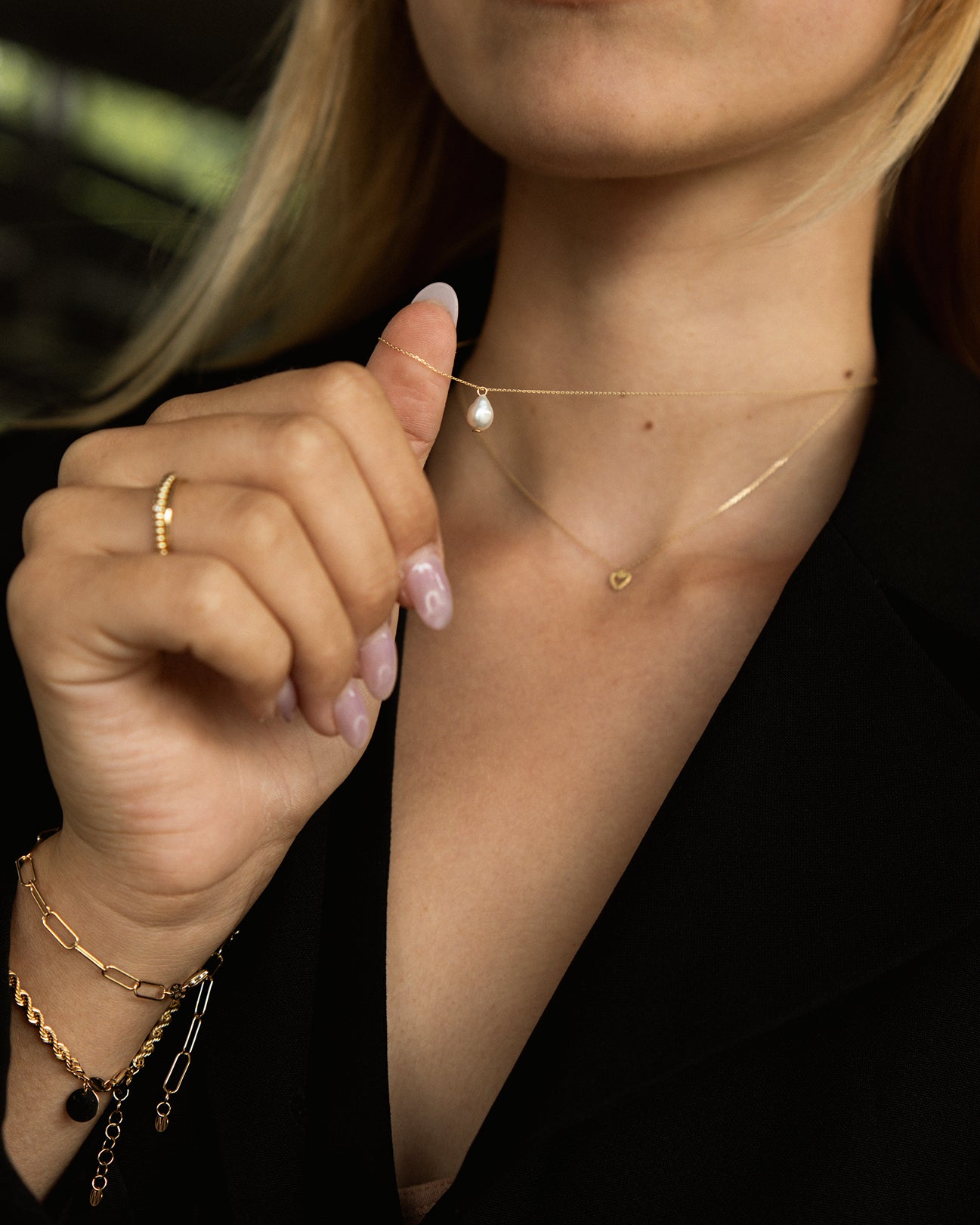
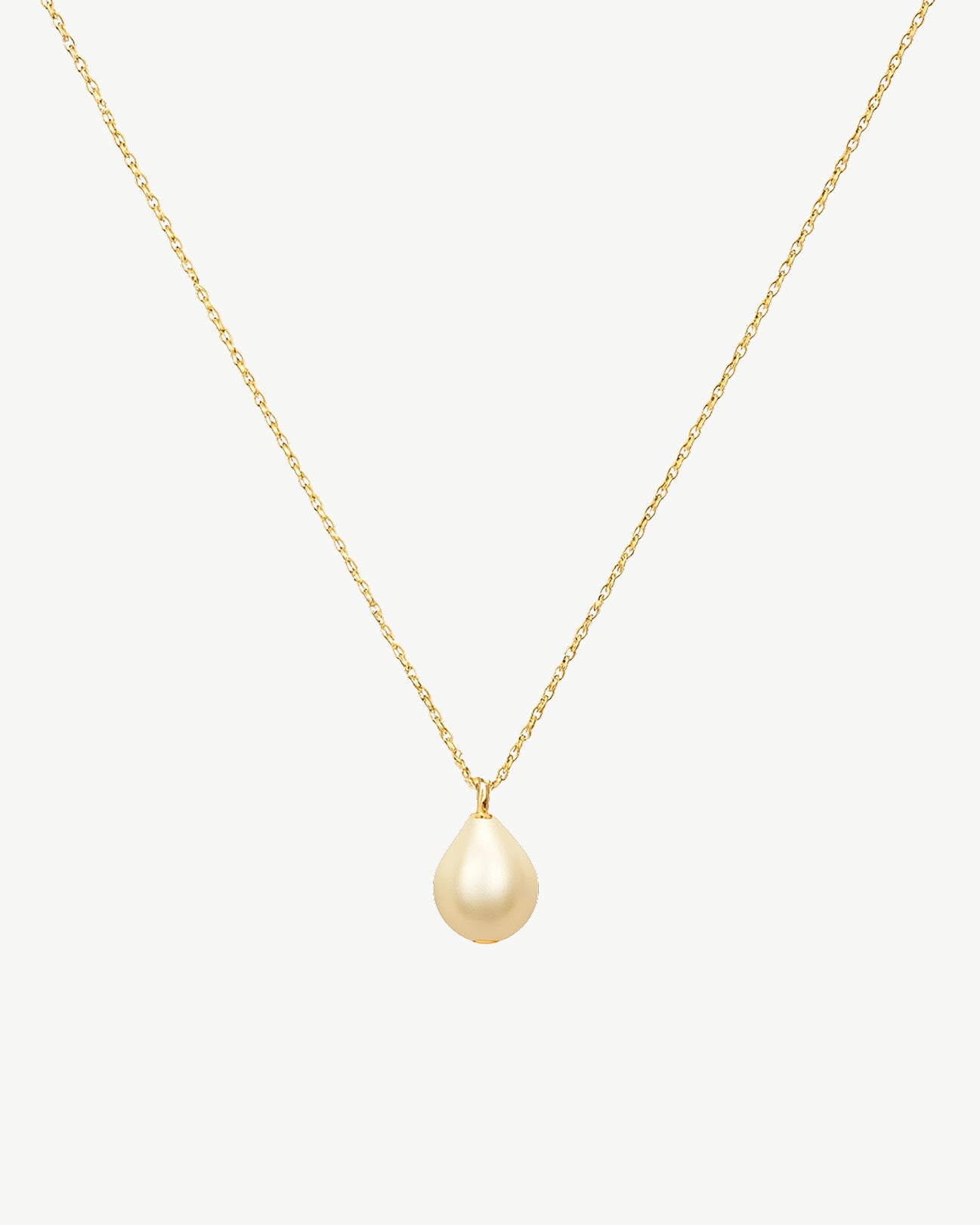
Necklaces and pendants can also work beautifully in gold vermeil, especially when removed before showering, swimming, sleeping, or working out.
Bracelets sit somewhere in the middle. They can be excellent in vermeil, but they move more, touch surfaces more, and may rub against watches, sleeves, handbags, desks, or other jewelry. A 3 micron layer is a thoughtful choice here because bracelets often experience more everyday contact than earrings.
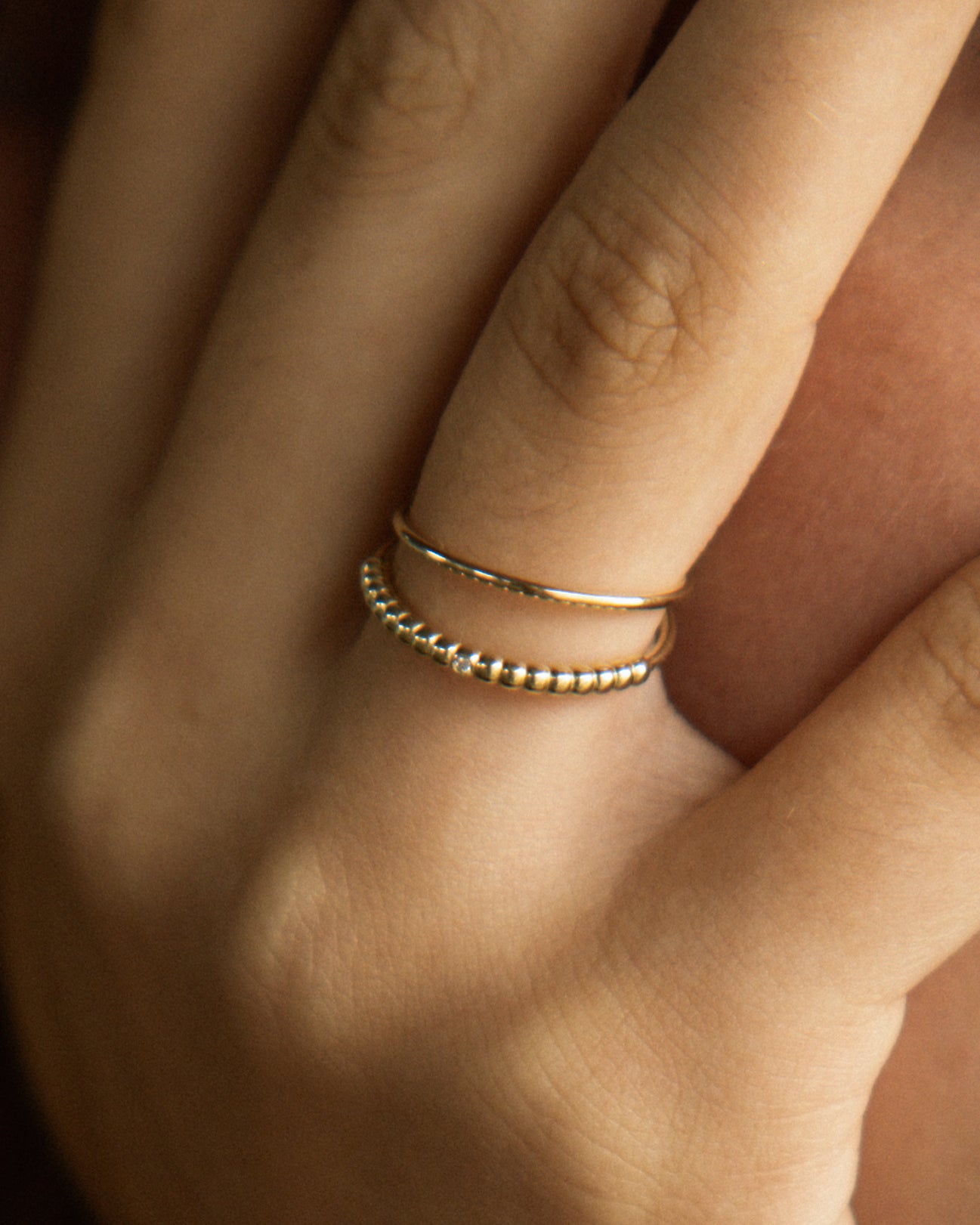
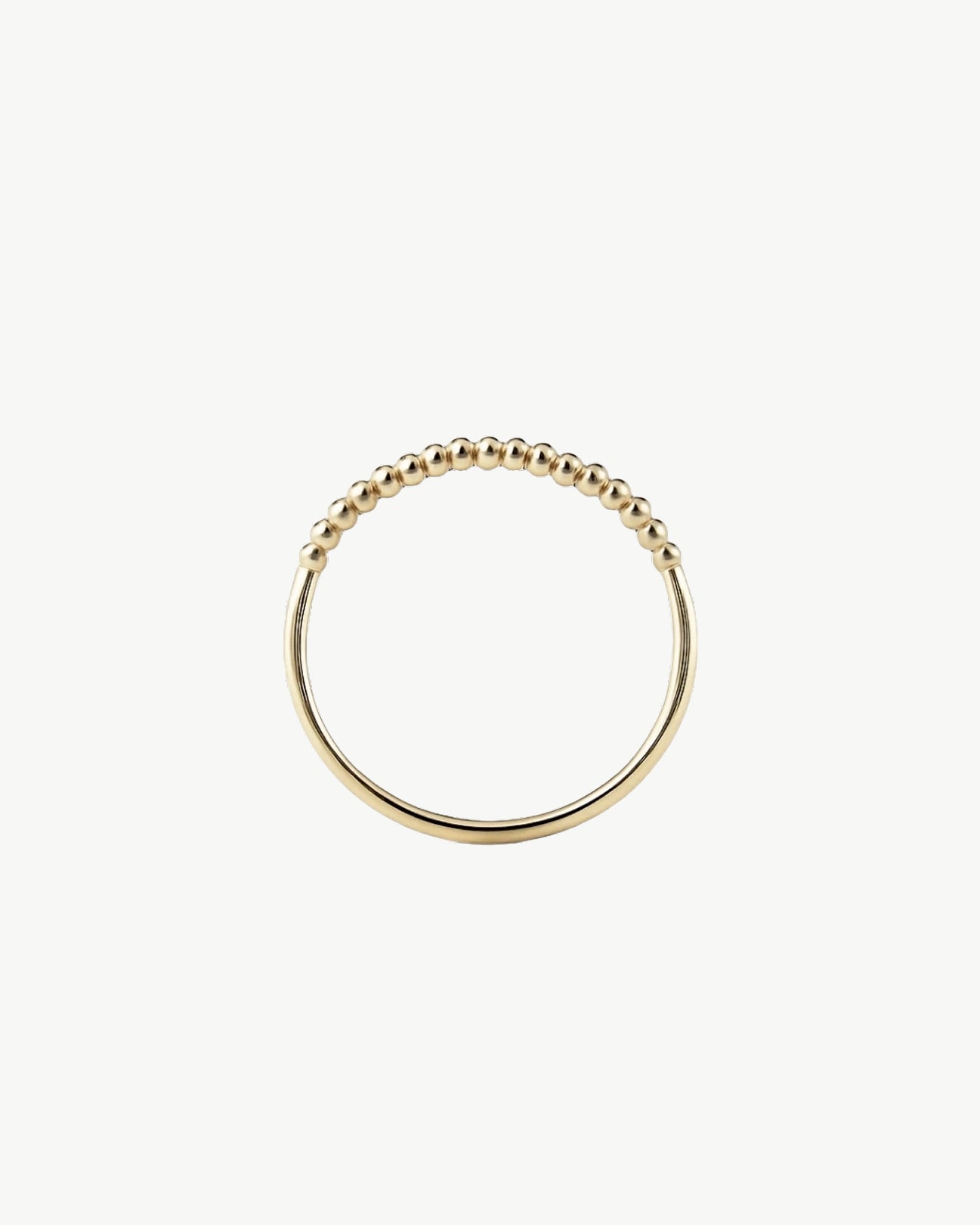
Rings are the most demanding category. They come into contact with water, soap, hand sanitizer, skincare, surfaces, fabrics, and constant movement. A 3 micron vermeil ring can still be beautiful, but it should be purchased with realistic expectations. If you want a ring to wear every day for years without thinking about it, solid gold is still the better long-term choice.
The relationship between thickness, wear, and care
Gold vermeil ages through use. That aging can look different depending on the piece, the wearer, and the environment. Some jewelry may simply lose shine from surface buildup. Some may show soft fading in areas that receive repeated contact. Some may eventually expose the sterling silver underneath, especially if worn frequently and not removed during water, workouts, or sleep.
Thickness is one part of this story. A thicker gold layer gives the surface more material before the sterling silver underneath becomes relevant. That is why micron thickness matters. But it is not the only factor.
Wear also depends on:
- how often the piece is worn
- where it sits on the body
- how much friction it receives
- whether it is exposed to water, perfume, sweat, sunscreen, or skincare
- how it is stored
- how it is cleaned
Even the best vermeil should be cared for. The gold layer is real, but it is still a layer. This is why we prefer to be precise rather than dramatic. 3 micron gold vermeil is a higher material choice than the 2.5 micron baseline. It is not a promise of forever. It is a better foundation for a material category that still needs thoughtful wear.
Why disclosure matters
Jewelry is emotional, but it is also material. You should know what your piece is made from. You should know whether it is solid gold, gold vermeil, gold plated, sterling silver, stainless steel, brass, or another alloy. You should know what sits on the surface and what sits underneath.
A customer should not need to decode vague product language to understand what they are buying. At Muse of My Own, we want to be clear: our gold vermeil pieces are made with a sterling silver base and a 3 micron layer of gold. They are not solid gold. They are not standard brass-based plating. They sit in the demi-fine space, where better materials meet more accessible pricing.
Why not make everything solid gold?
Muse of My Own began with solid gold because solid gold is the most enduring choice for everyday jewelry. It is still core to the brand. But not every customer wants every piece in solid gold. Not every design needs to be solid gold to make sense. Not every jewelry wardrobe is built from one material only.
A thoughtful jewelry wardrobe can include solid gold, sterling silver, and gold vermeil. Solid gold is ideal for long-term daily staples. Sterling silver is beautiful, timeless, and valuable in its own right. Gold vermeil gives you the warmth of gold over sterling silver at a more accessible price.
The point is not to move away from solid gold. The point is to offer more intelligent options. By choosing 3 micron gold vermeil, Muse of My Own is not lowering the standard. We are expanding the material language of the brand while keeping quality and transparency at the centre.
How to choose good gold vermeil
When buying gold vermeil, look for specifics. The product page should tell you the base metal. It should tell you that the base is sterling silver. It should disclose the gold thickness. It should ideally tell you the gold karat as well. If the description only says “gold finish,” “gold tone,” or “gold plated” without more detail, you do not know enough yet. If it says gold vermeil but does not disclose the micron thickness, ask.
A good jewelry brand should be able to answer clearly. You are not being difficult by asking. You are being informed. Jewelry lives close to the skin. It is worn, touched, gifted, kept, and remembered. The details matter.
FAQs
What does 3 micron gold vermeil mean?
It means the jewelry has a 3 micron layer of gold over a sterling silver base. A micron is a very small unit of length used to measure plating thickness.
Is 3 micron gold vermeil better than 2.5 micron?
Three microns is thicker than 2.5 microns, so it gives the piece more gold on the surface. That can be a meaningful quality difference, especially for pieces intended to be worn often. It does not make the jewelry permanent like solid gold.
Is 2.5 micron gold vermeil bad?
No. 2.5 microns is an important baseline for gold vermeil under the US definition. The point is not that 2.5 is bad. The point is that 3 microns goes beyond that baseline.
Does 3 micron gold vermeil tarnish?
It can still tarnish, dull, or wear over time. Gold vermeil is a surface layer of gold over sterling silver, so it should be kept away from unnecessary moisture, chemicals, perfume, sweat, and friction.
Is 3 micron gold vermeil waterproof?
No. Gold vermeil should not be treated as waterproof. To help preserve the finish, remove it before showering, swimming, exercising, or applying skincare and perfume.
Is 3 micron gold vermeil good for everyday wear?
It can be, depending on the jewelry type. Earrings and necklaces often work especially well in vermeil because they usually receive less friction. Rings experience much more contact and may show wear sooner.
Is 3 micron gold vermeil the same as solid gold?
No. Solid gold is gold alloy throughout the entire piece. Gold vermeil has a gold layer over sterling silver. Even at 3 microns, vermeil should not be described or treated as solid gold.
Why should I ask a brand about micron thickness?
Because micron thickness tells you how much gold is on the surface. If a brand uses a thicker gold layer, it should be able to disclose that clearly.