










Fine jewelry is one of those phrases that sounds simple until you start shopping. A pair of earrings may be called luxury, premium, waterproof, tarnish-free, gold tone, silver plated, stainless steel, vermeil, solid gold, demi-fine or fine jewelry. The words can all sit beside beautiful photos, polished packaging and similar prices. But they do not always mean the same thing.
Fine jewelry is not just about how expensive a piece looks. It is not simply about whether it is minimal, fashionable, shiny or sold by a beautiful brand. At its core, fine jewelry is about material value, construction, longevity and clarity. Traditionally, fine jewelry refers to pieces made from precious metals such as gold, silver, platinum or palladium, often with diamonds or gemstones. These are materials with recognised standards, long histories in jewelry and intrinsic value beyond surface appearance.
But modern jewelry has become more layered. Today, many brands sit between traditional fine jewelry and costume jewelry. This space is often called demi-fine jewelry. It includes pieces made from 925 sterling silver, gold vermeil, solid gold, lab-grown diamonds and other considered materials that offer quality and wearability at a more accessible price than traditional high fine jewelry.
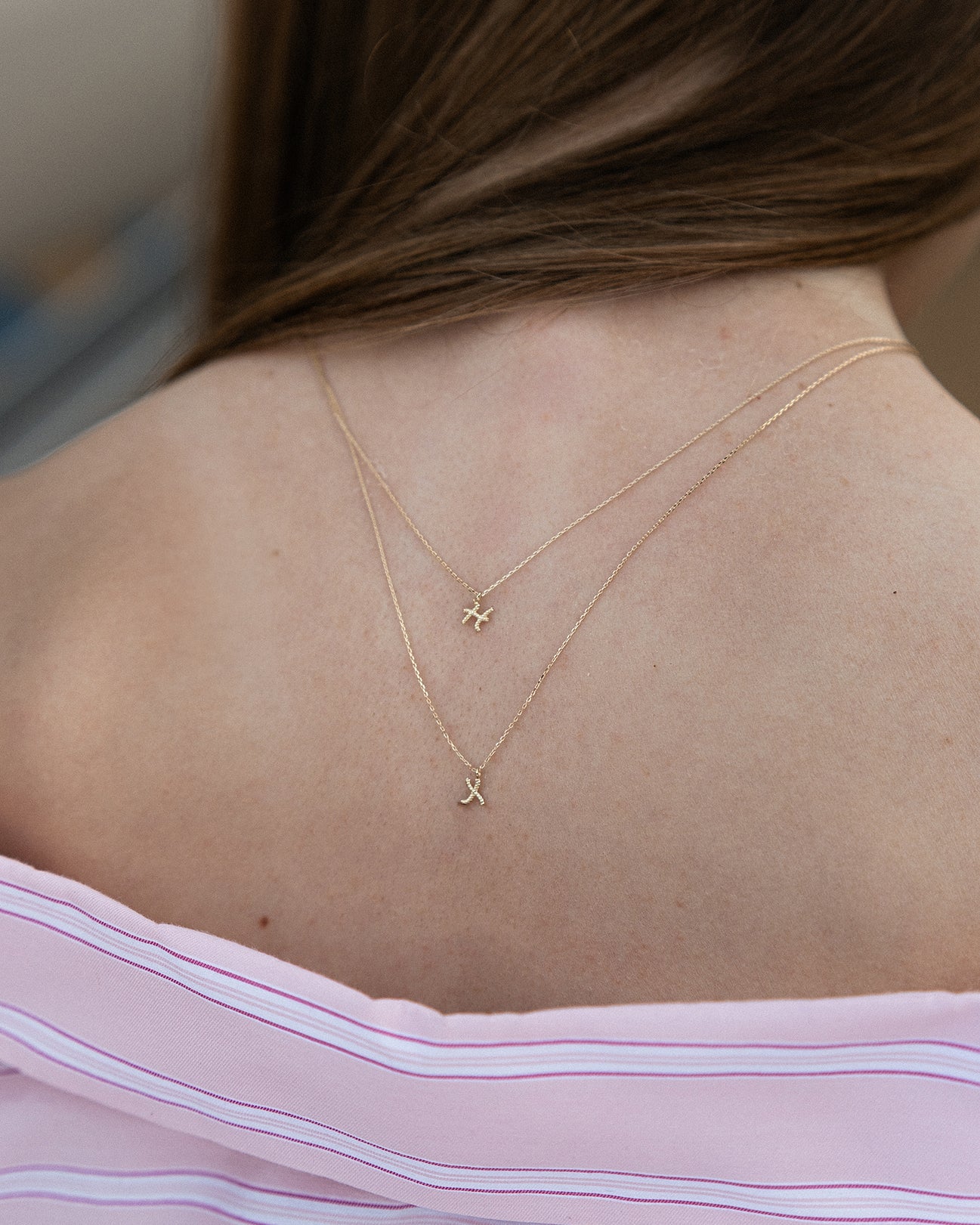
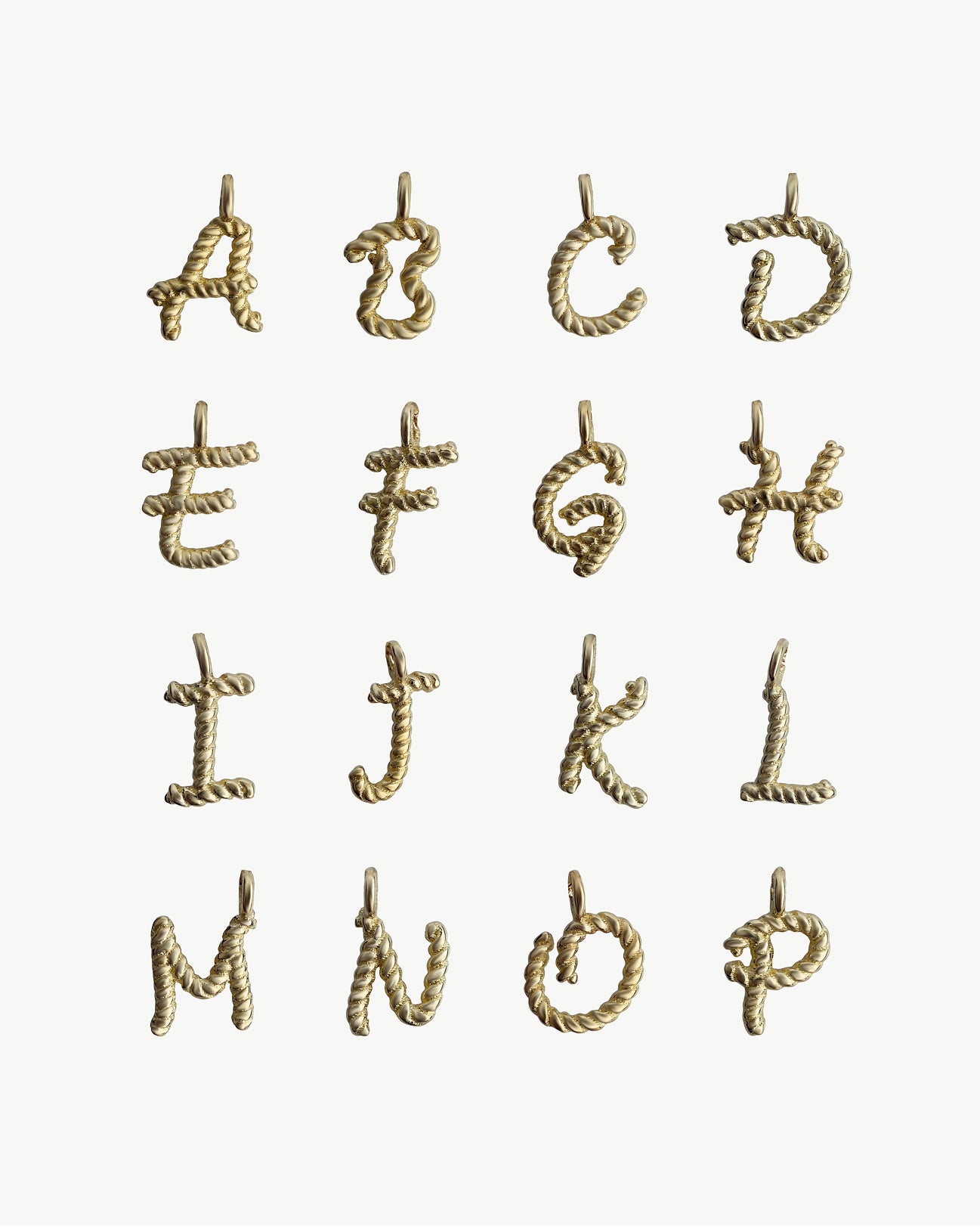
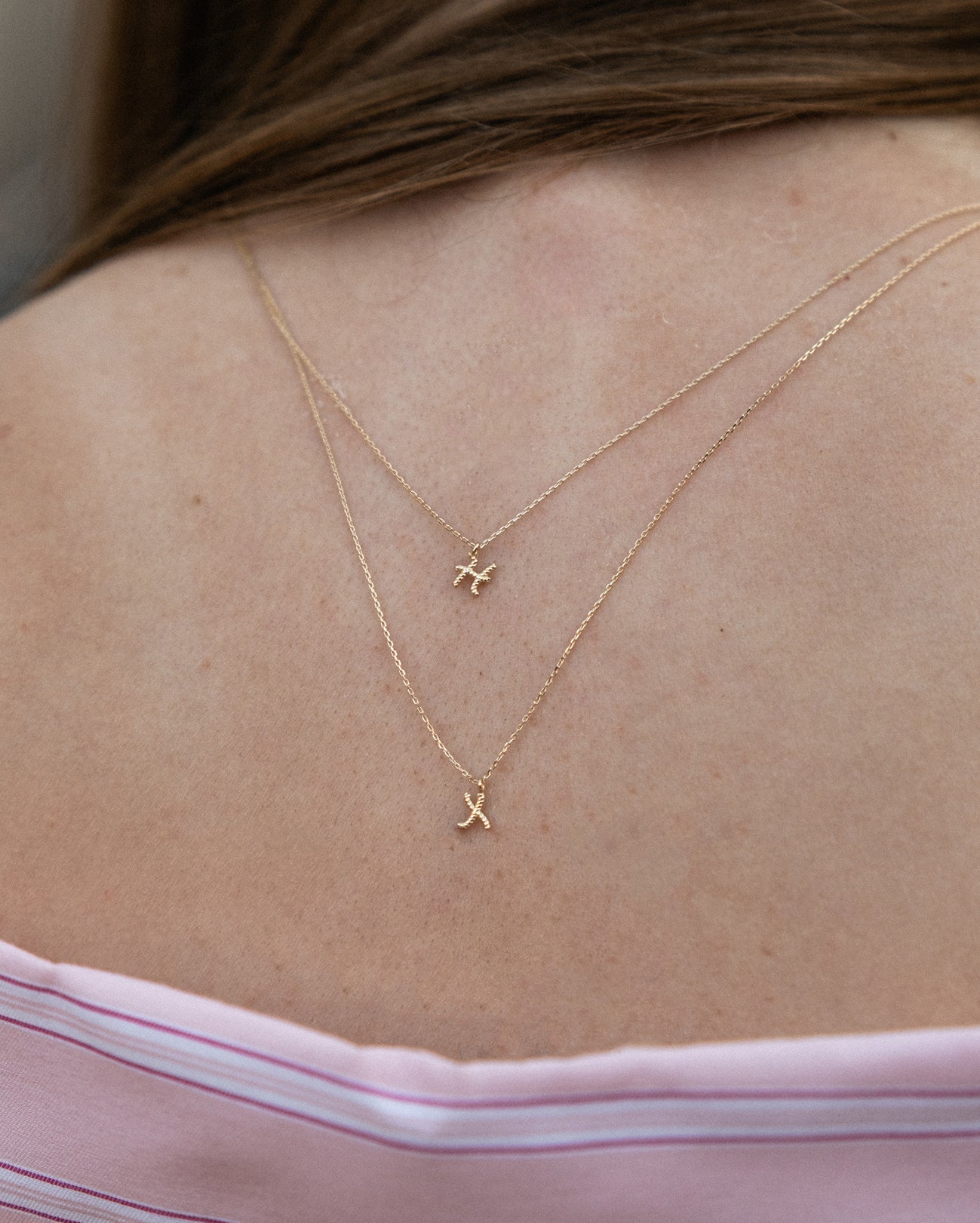
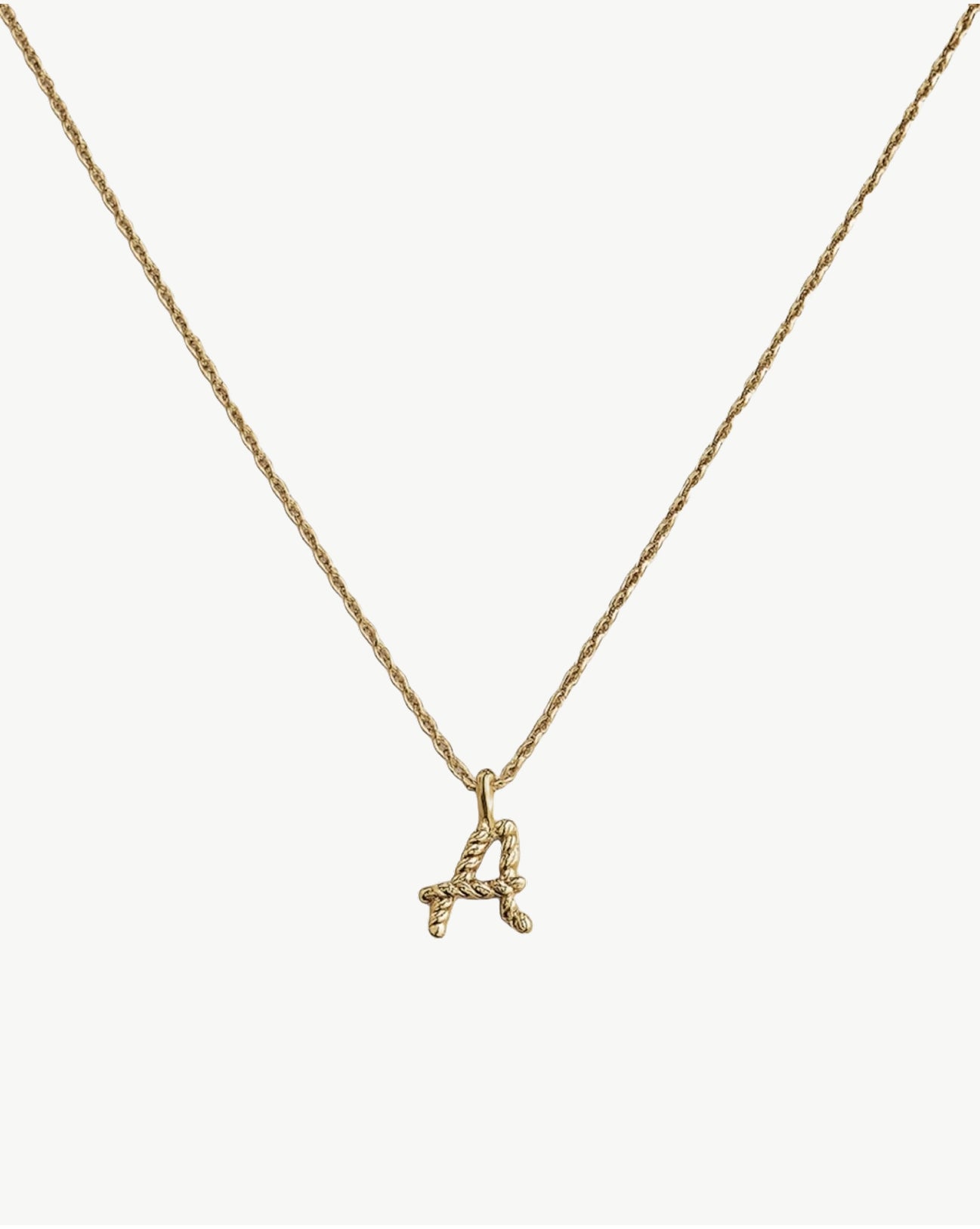
At Muse of My Own, we work within this modern fine and demi-fine space. Our collections include solid gold, 925 sterling silver and 3 micron gold vermeil over sterling silver. We believe jewelry should be beautiful, but also honest about what it is made from. Because the material truly matters.
Fine jewelry begins with precious metals
The clearest way to understand fine jewelry is to begin with the metal. In traditional jewelry language, fine jewelry is usually associated with precious metals. These include gold, silver, platinum and palladium. These metals are different from base metals because they have recognised purity standards and long-standing use in jewelry, investment, craftsmanship and hallmarking systems.
In the UK, for example, hallmarking rules focus on precious metal articles made from silver, gold, platinum and palladium, subject to certain weight exemptions. A hallmark exists to verify that a piece has been independently tested and matches its stated metal purity.
This matters because you cannot always tell what jewelry is made from just by looking at it. A gold-coloured ring may be solid gold, gold vermeil, gold plated brass, PVD-coated stainless steel or a base metal with a gold-tone finish. A silver-coloured necklace may be sterling silver, silver plated or simply silver tone. The photo may look similar. The material is not.
Is gold fine jewelry?
Yes, solid gold is one of the clearest examples of fine jewelry. Gold has intrinsic value, recognised purity standards and a long history in jewelry. It can be alloyed into different karats, such as 9k, 14k, 18k or 22k, depending on the percentage of pure gold and the metals added for strength, colour and wearability.
Higher karat gold contains more pure gold, but that does not automatically mean it is better for every piece. Jewelry needs to be worn, clasped, stacked, touched, polished and lived in. Lower karat gold can sometimes offer more strength, while higher karat gold offers a richer gold content and colour.
The important point is that solid gold is gold throughout the piece. It is not a surface layer over another metal. That is why solid gold is considered fine jewelry and why it is often chosen for long-term staples.
Is sterling silver fine jewelry?
Yes, 925 sterling silver can be considered fine jewelry, especially when the term is being used to describe jewelry made from precious metals rather than base metals. Sterling silver contains 92.5 percent silver. The remaining 7.5 percent is usually made up of other metals, often copper, to give the silver more strength for jewelry. Pure silver is beautiful but soft, so sterling silver is widely used because it balances precious-metal content with practical wearability. This is why the number 925 matters. It tells you the piece is not merely silver-coloured. It is made from a recognised silver alloy with a high silver content.
Sterling silver may sit at a more accessible price point than gold or platinum, but that does not make it costume jewelry. It is still a precious metal. It can be polished, maintained and kept. It may tarnish over time, but tarnish is a natural surface reaction, not proof that the silver is fake.
Silver is not a downgrade from gold. It is a different material, a different tone and a different way to wear jewelry. For Muse of My Own, 925 sterling silver is part of a considered jewelry wardrobe because many women prefer silver, mix metals or want precious-metal jewelry at a more accessible price than solid gold.
Is gold vermeil fine jewelry?
Gold vermeil sits in an interesting space. It is not solid gold, so it should not be described as the same thing as solid gold fine jewelry. But it is also not ordinary gold plating when made properly. Gold vermeil is typically understood as a layer of gold over sterling silver, with a meaningful gold thickness compared with standard flash plating. This is why gold vermeil is often placed in the demi-fine category.
The base metal matters. In gold vermeil, the base is sterling silver, not brass or a mystery alloy. The gold layer also matters. A thicker layer gives the piece more substance than very thin fashion plating, although it is still a surface layer and should be cared for accordingly. The honest way to describe it is this: gold vermeil is not solid gold fine jewelry, but high-quality gold vermeil over sterling silver belongs naturally in the modern demi-fine jewelry space.
Is stainless steel fine jewelry?
Generally, stainless steel is not considered traditional fine jewelry.
That does not mean stainless steel jewelry is always bad. It can be durable, affordable, modern and practical. Some people love it for everyday pieces because it can be resistant to corrosion and relatively low maintenance. It can also be coated in gold-coloured finishes, including PVD coatings, to create a gold-tone look.
But stainless steel is not a precious metal by any means in the traditional jewelry sense. It does not sit in the same category as solid gold, sterling silver, platinum or palladium. It is usually better understood as fashion jewelry, costume jewelry or, in some cases, durable contemporary jewelry, depending on the design and price point.
The issue is not whether stainless steel can be attractive. It can be. The issue is whether it should be presented as fine jewelry. If a piece is stainless steel, the brand should say stainless steel. If it is PVD coated, the brand should explain that it is a coating. If it is gold tone, it should not be confused with solid gold or gold vermeil.
This is where customers should be careful. A stainless steel ring can be beautiful, but if it is priced similarly to sterling silver or gold vermeil jewelry, you should understand what you are paying for: design, brand, finish and durability, not precious-metal content.
Is gold plated jewelry fine jewelry?
Most standard gold plated jewelry is not considered fine jewelry. Gold plated jewelry usually means a thin layer of gold has been applied over another base metal. The base may be brass, copper, stainless steel or another alloy. The gold layer can vary greatly in thickness and durability.
Some gold plated jewelry is well made. Some is not. The problem is that the phrase “gold plated” alone does not tell you enough. You need to know the base metal, the gold karat, the plating thickness and how the piece is intended to be worn.
A gold plated brass ring and a 3 micron gold vermeil ring over sterling silver are not the same thing, even if they look similar in a photograph. This is why material clarity is so important. A brand should not rely only on words like gold, premium or waterproof. It should explain the structure of the piece.
Is silver plated jewelry fine jewelry?
Silver plated jewelry is generally not considered fine jewelry in the same way that sterling silver is. Silver plated jewelry has a layer of silver over another base metal. The silver is on the surface, not throughout the piece. When the plating wears away, the base metal underneath may become visible.
This does not mean silver plated jewelry has no place. It can be affordable and decorative. But it should not be confused with 925 sterling silver. Sterling silver is a precious-metal alloy throughout the piece. Silver plated jewelry is a surface finish. That difference affects value, care, longevity and how the piece may change over time.
What about diamonds and gemstones?
Diamonds and gemstones are often associated with fine jewelry, especially when they are set in precious metals.
Traditional fine jewelry often includes natural diamonds, lab-grown diamonds, sapphires, rubies, emeralds, pearls or other gemstones. But the stone alone does not define the entire category. A crystal set into a base metal ring is not the same as a diamond set into solid gold. A lab-grown diamond set into 925 sterling silver or solid gold may belong in the fine or demi-fine space depending on the design, metal and positioning. Again, the full material story matters. The metal, stone, setting, craftsmanship and disclosure all work together.
Fine jewelry vs demi-fine jewelry
Fine jewelry and demi-fine jewelry are related, but they are not exactly the same.
Fine jewelry traditionally refers to pieces made from precious metals such as solid gold, sterling silver, platinum or palladium, often with diamonds or gemstones. These pieces are generally made to last, be repaired, cleaned and kept over time.
Demi-fine jewelry is a more modern category. It usually sits between fine jewelry and fashion jewelry. It may include sterling silver, gold vermeil, gold-filled jewelry, lower-karat solid gold, lab-grown diamonds and other considered materials. It is usually more accessible than traditional fine jewelry, but more material-led than costume jewelry.
Fine jewelry is not only about price
One of the biggest misconceptions about fine jewelry is that it has to be extremely expensive.
Price can reflect material value, craftsmanship, stone quality, brand positioning, production ethics and design. But a high price does not automatically make a piece fine jewelry. A stainless steel or brass piece can be expensive because of branding, trend, packaging or marketing. A sterling silver piece may be more affordable but still made from a precious metal.
This is why customers should learn to look beyond price:
- Ask what the piece is made from.
- Ask whether the material is precious or base metal.
- Ask whether the gold or silver is throughout the piece or only on the surface.
- Ask whether the description is specific or vague.
Fine jewelry is not created by a high price tag alone. It is created by materials, standards and honesty.