





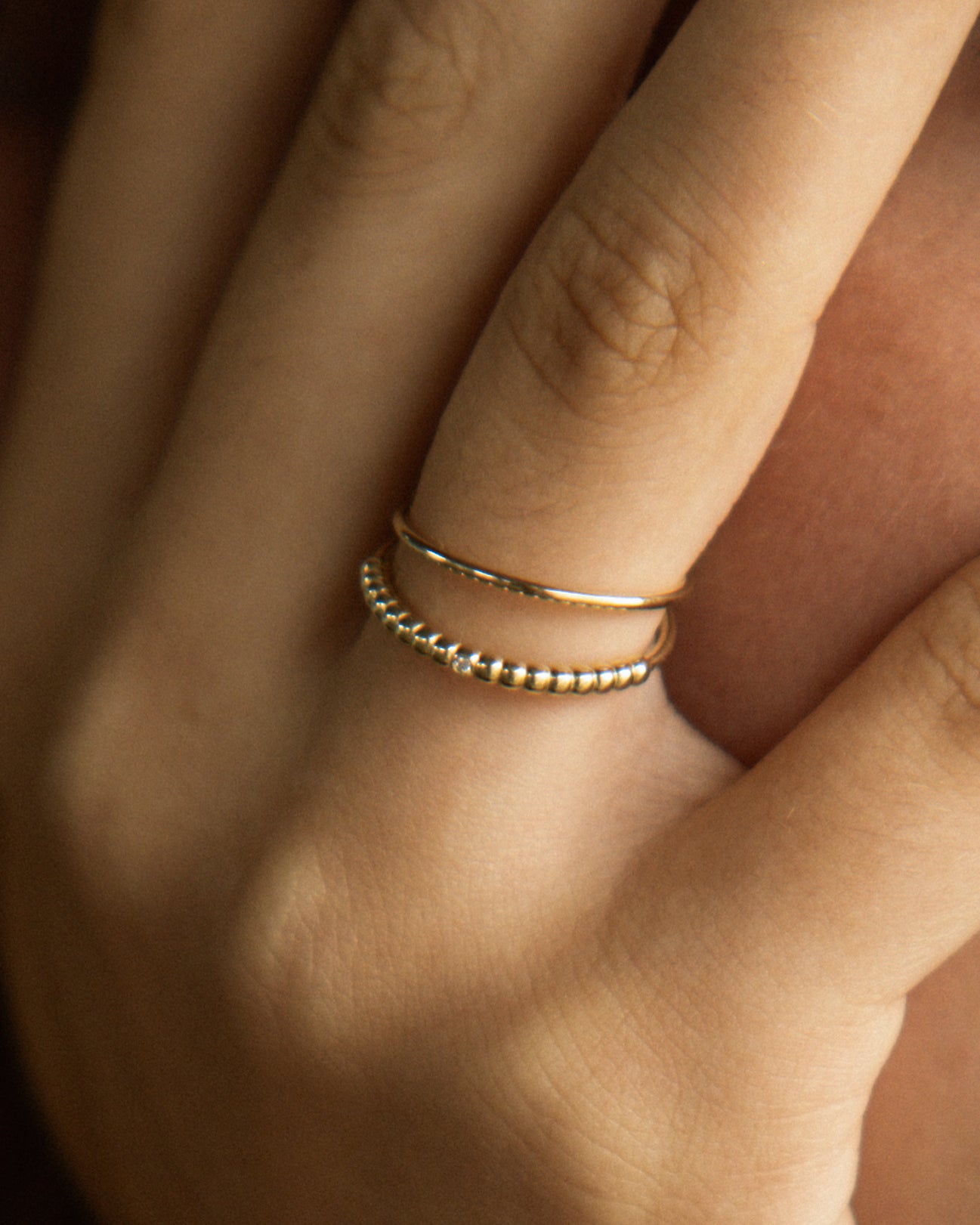

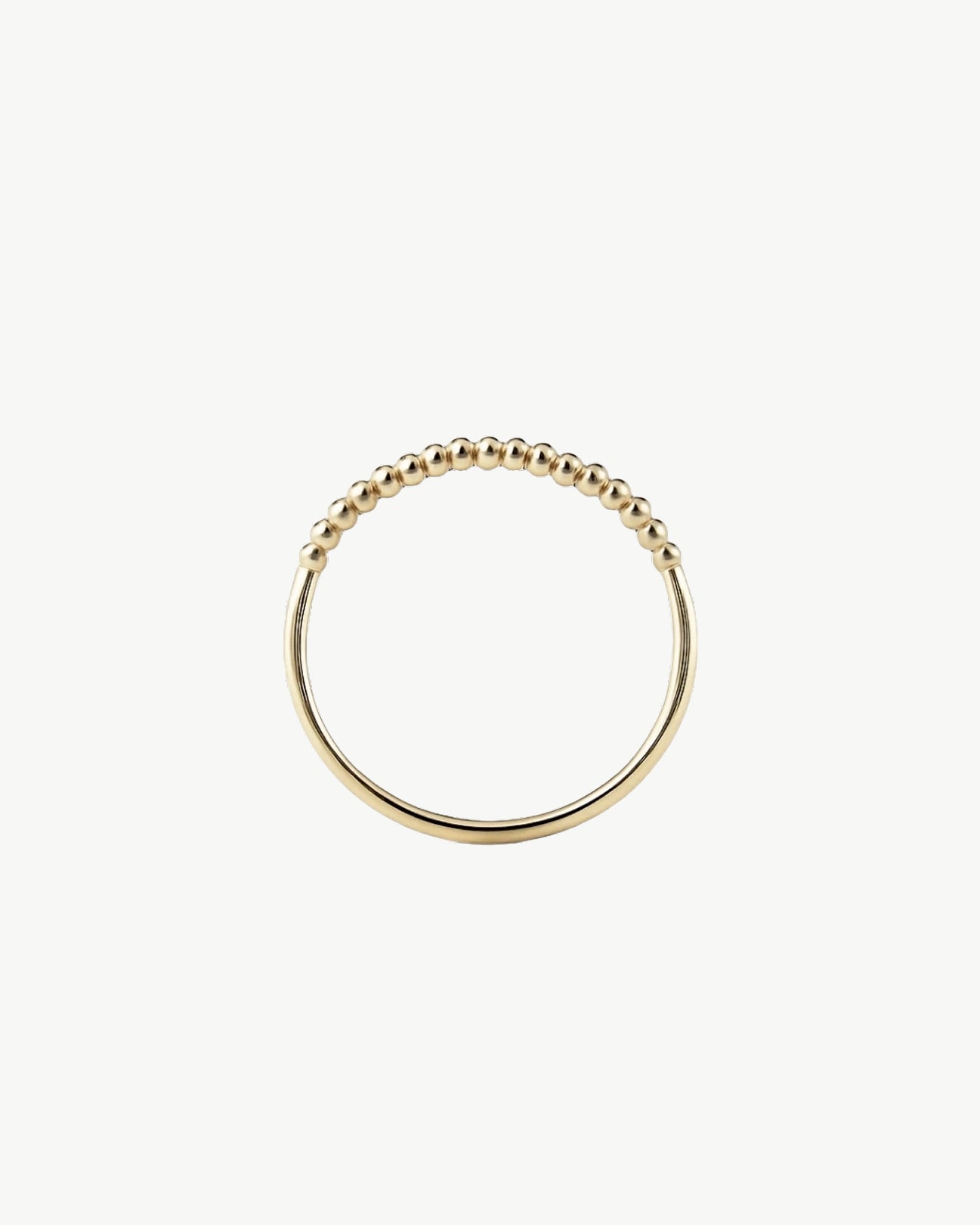


Solid gold jewelry used to feel like a category with only two settings: a major purchase from a traditional jeweler, or a delicate 14K chain bought after weeks of deliberation. That is changing. A newer group of brands is treating real gold as something to wear daily - not simply save in a box - and the most interesting options now extend well beyond the familiar 14K stud.
Some specialize in affordable 9K gold. Others make minimalist 10K and 14K pieces, higher-carat investment jewelry, size-inclusive rings or heirloom-inspired designs with unusually transparent specifications. The result is more choice, but also more homework. “Gold” in a product name can mean solid gold, vermeil, gold-filled or a very thin plated finish, and even two solid-gold pieces with identical dimensions may differ dramatically in weight, construction and price.
So which brands are actually worth knowing? We compared material disclosures, karat options, design point of view, price position and practical details such as construction, sizing, warranty and international delivery. Muse of My Own is included - and listed first - because this guide is published by the brand. We explain exactly where we think it stands out, while applying the same questions to every name on the list.
The short answer: our best solid gold jewelry brands by category
| Brand | Best for | Typical solid-gold options | Price position |
|---|---|---|---|
| Muse of My Own | Accessible European solid gold for everyday wear | 9K | Accessible |
| Mejuri | A broad selection of modern everyday staples | 10K, 14K | Mid-range |
| Quince | Straightforward 14K basics at lower prices | 10K, 14K | Accessible |
| Catbird | Delicate, romantic Brooklyn-made jewelry | 14K | Mid-range |
| Aurate | Personalization, diamonds and 14K/18K choice | 14K, 18K | Mid-range to premium |
| Kinn | Heirloom-inspired design and detailed specifications | 14K | Mid-range to premium |
| Stone and Strand | Tiny, layerable New York pieces | 10K, 14K | Accessible to mid-range |
| Otiumberg | Refined London design in recycled 9K | 9K | Mid-range |
| Missoma Fine | Trend-aware British design in real gold | 14K | Mid-range |
| Monica Vinader | Polished gifts and long-term service | 14K | Premium |
| Linjer | Minimal recycled 14K and colored gemstones | 14K | Accessible to mid-range |
| Automic Gold | Inclusive sizing and genderless, NYC-made jewelry | 14K | Mid-range |
If affordability is the priority, start with Muse of My Own for 9K, Quince for 14K basics and Stone and Strand for small 10K or 14K pieces. For extra delicate, independent-feeling design, look at Catbird. For a larger everyday assortment, Mejuri is the obvious reference point. If ring sizing and gender-inclusive design matter most, Automic Gold is the standout.
Prices, availability and exact materials can change, and some brands sell plated jewelry alongside solid gold. Always check the individual product page before buying.
What “solid gold” actually means
Solid gold means the metal is a gold alloy all the way through. There is no surface layer of gold that can simply wear away to reveal a different base metal underneath.
It does not mean the piece is made from pure 24K gold. Most wearable gold jewelry is alloyed with metals such as silver, copper or palladium to change its strength, color and working properties. It also does not necessarily mean a piece is physically solid inside. A hollow hoop can be made entirely from a solid-gold alloy; “solid gold” describes the material, while “hollow” describes the construction.
That distinction matters. A hollow statement ring and a compact ring of the same external size may both be genuine 14K gold, but they will not weigh, feel or withstand impact in the same way. Karat is only one part of quality.
A quick guide to gold karats
| Karat | Minimum gold content | Common fineness mark | What it is generally good for |
| 9K | 37.5% | 375 | Accessible daily jewelry, especially in the UK and Europe |
| 10K | 41.7% | 417 | Entry-level solid gold familiar to U.S. shoppers |
| 14K | 58.5% | 585 | A widely used balance of color, gold content and wearability |
| 18K | 75% | 750 | Richer color and higher gold content; usually a higher price |
| 22K | 91.6% | 916 | High-gold-content jewelry, often with a deeper yellow tone |
| 24K | About 99.9% | 999 | Nearly pure gold; relatively soft for many fine everyday designs |
The karat number tells you the proportion of gold in the alloy—not whether a design is well made, whether a clasp is secure or whether a stone setting is durable. For a deeper breakdown, see our guide to the difference between gold karats.
Why 9K gold deserves more attention
In the United States, 14K is the default reference point for fine jewelry and 10K is the more familiar lower-karat option. In the UK, however, 9K gold is commonplace. It is legally recognized as gold, and its 375 fineness mark means that at least 375 parts out of 1,000 are pure gold, as set out in the UK government’s hallmarking guidance.
The argument for 9K is practical. Because less of the alloy is pure gold, a brand can make a real gold piece at a lower price than an otherwise comparable higher-karat design. There is no plating layer to rub off, so it can be polished and cared for as gold rather than treated as a temporary finish. For small hoops, studs, rings and pendants meant to be worn frequently, that makes 9K a persuasive bridge between gold vermeil and 14K.
You will sometimes hear that 9K is simply “more durable” than every higher karat. The reality is more nuanced. A greater proportion of alloying metals can make lower-karat gold harder and more resistant to scratching or deformation, but performance depends on the exact alloy recipe, the thickness of the piece, whether it is hollow and how it is constructed. Karat alone cannot tell you everything.
Why more contemporary brands are making 9K jewelry
The recent interest in 9K is not difficult to understand:
-
It keeps real gold within reach. When gold prices rise, reducing the pure-gold content has a direct effect on the material cost.
-
It suits everyday formats. Huggies, small hoops, studs, slim rings and charms do not need the visual weight of a high-karat ceremonial piece to be useful.
-
It fills a real gap. Vermeil is accessible but has a finite surface layer; 14K is permanent but can be a significant jump in price. 9K sits between the two.
-
Brands can invest in design rather than disguise. At its best, 9K allows a small label to offer an original silhouette in genuine gold without turning every purchase into a major financial decision.
Muse of My Own, Otiumberg, Catbird or Mejuri’s Fine collection all demonstrate that 9K/10K belong in a modern jewelry wardrobe. It is not a substitute that needs to apologize for itself; it is a distinct material choice with a different balance of gold content, wearability and price.
How we chose the brands
This is not a ranking based on who has the largest marketing budget. We looked for brands that offer a meaningful solid-gold assortment and give shoppers a clear reason to choose them. In particular, we considered:
- how clearly the brand identifies karat, construction and other material details;
- whether the designs offer something more specific than generic catalog jewelry;
- the relationship between material, design and price;
- useful shopping details such as ring sizing, warranty, repairs and international delivery;
- whether solid gold is central to the collection or merely an occasional add-on.
We did not require every brand to be inexpensive, and “affordable” is always relative in a precious-metal category. We also did not treat a higher karat as automatically better. The best choice depends on what you want the piece to do.
1. Muse of My Own: Best for accessible European 9K gold
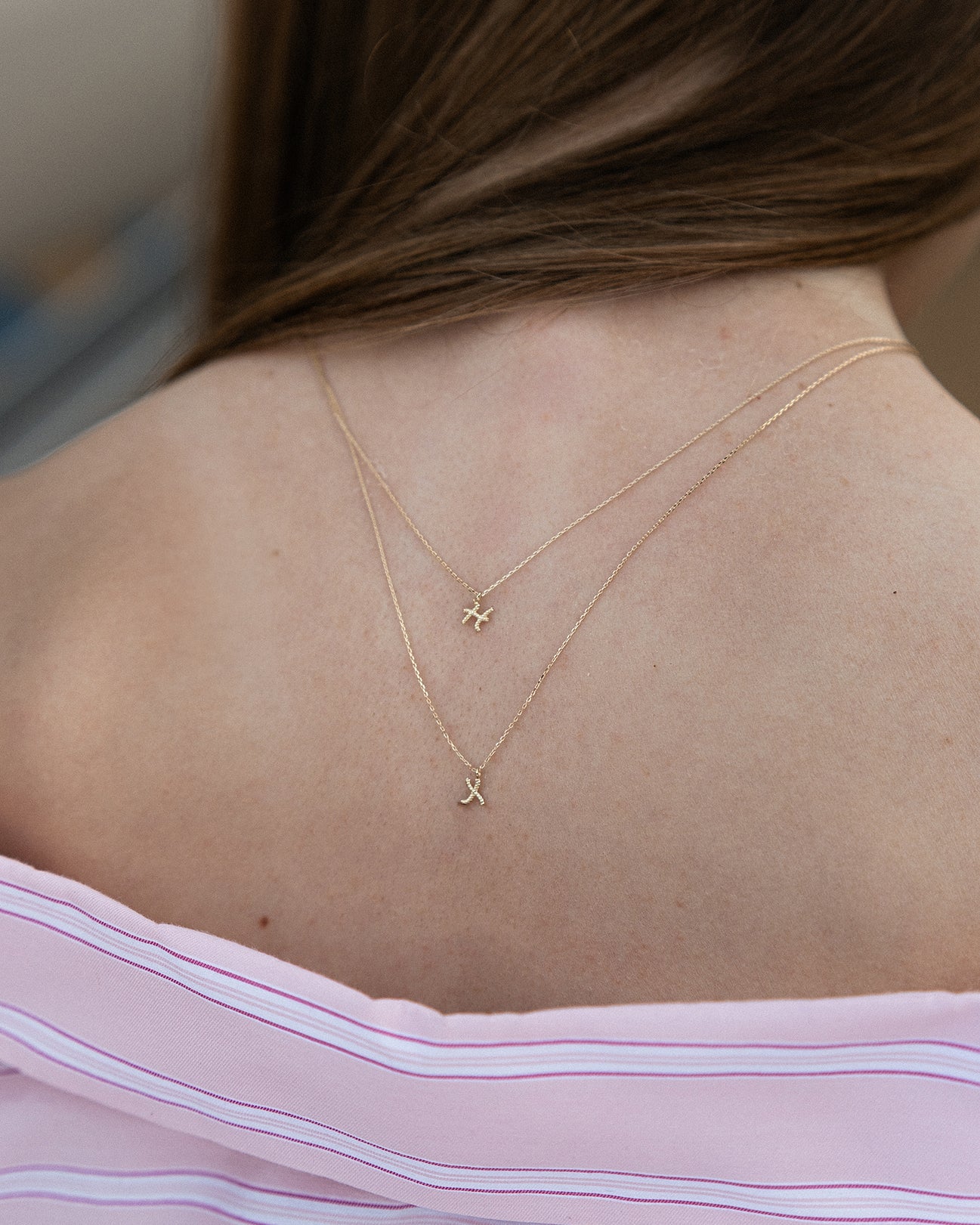
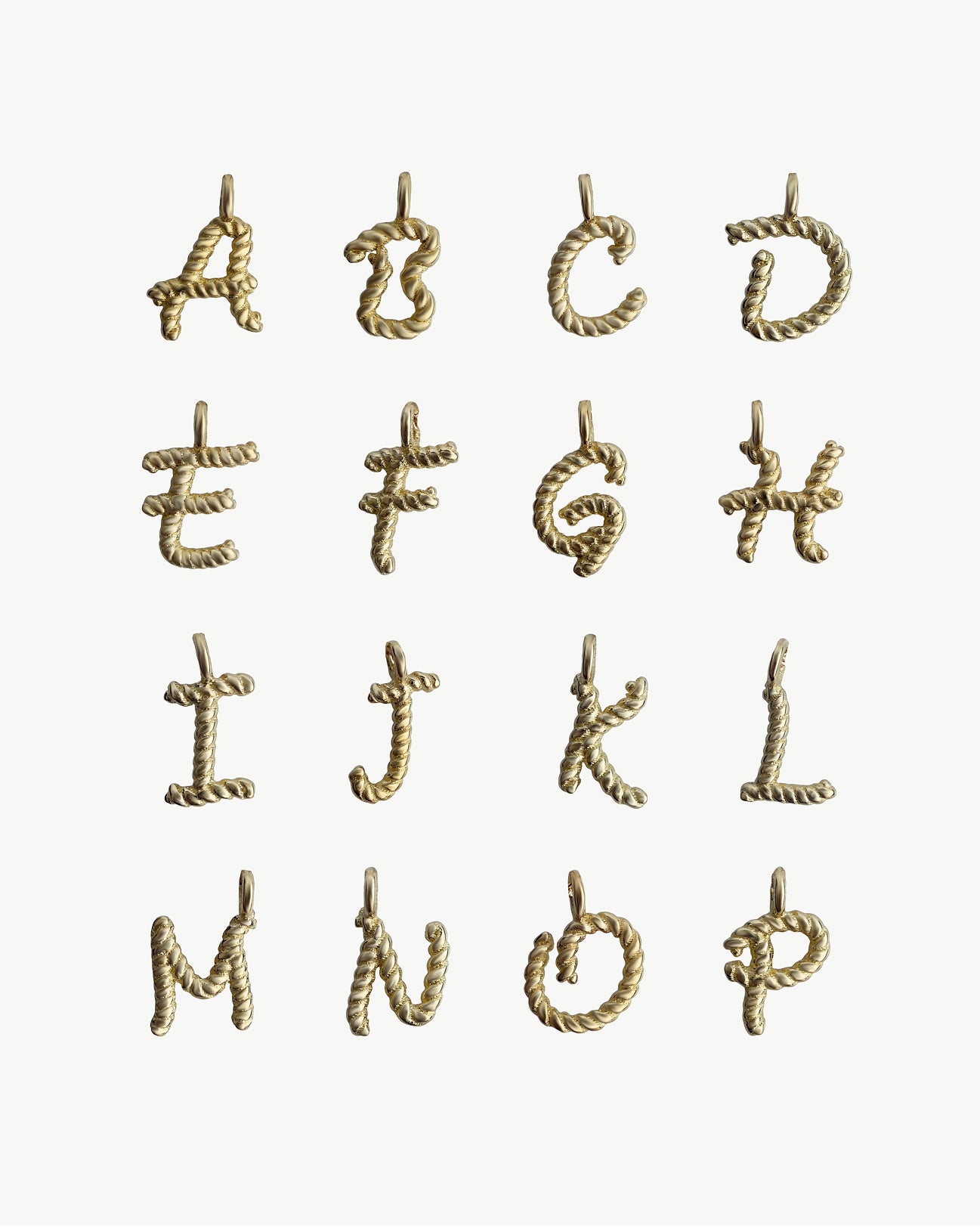
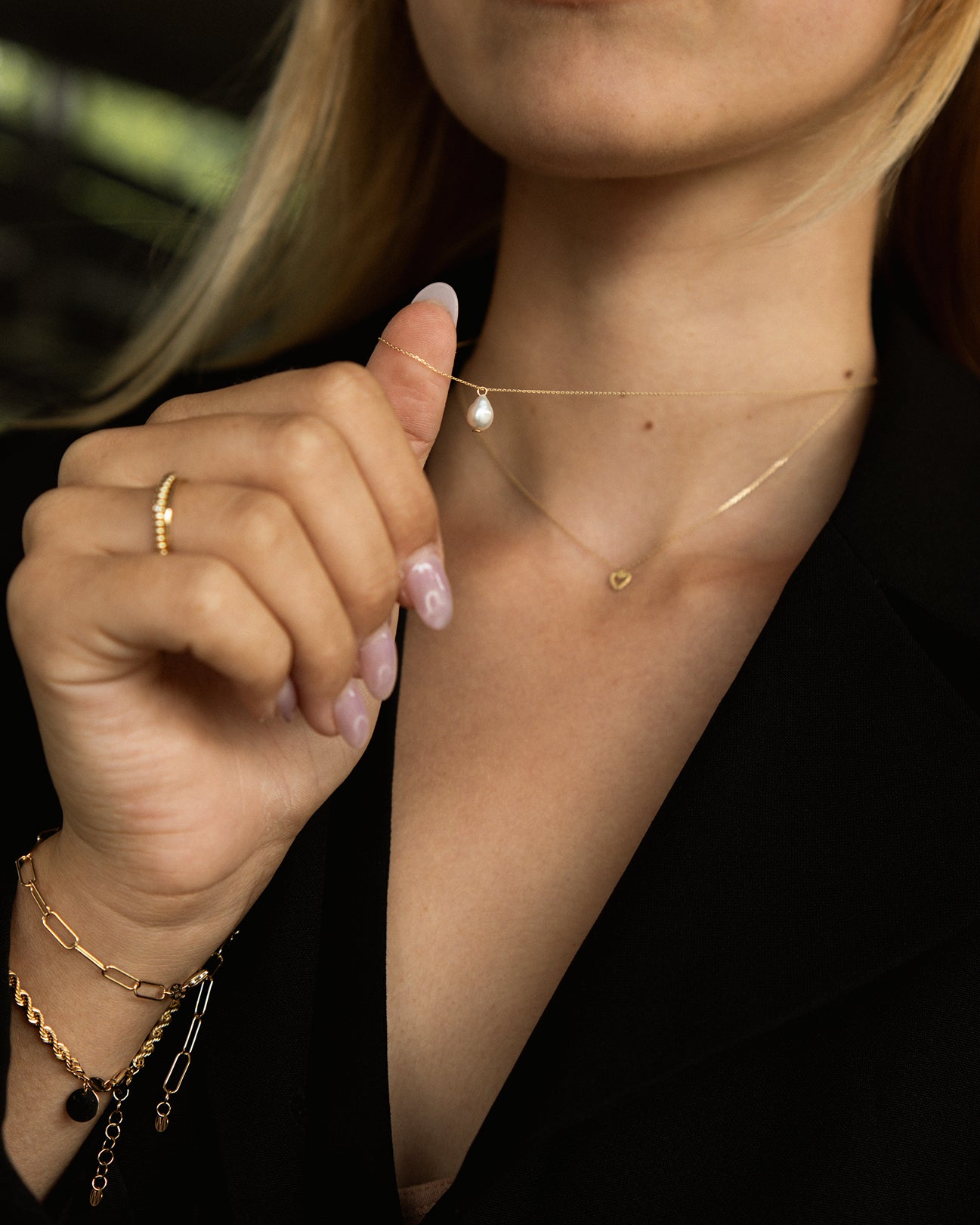
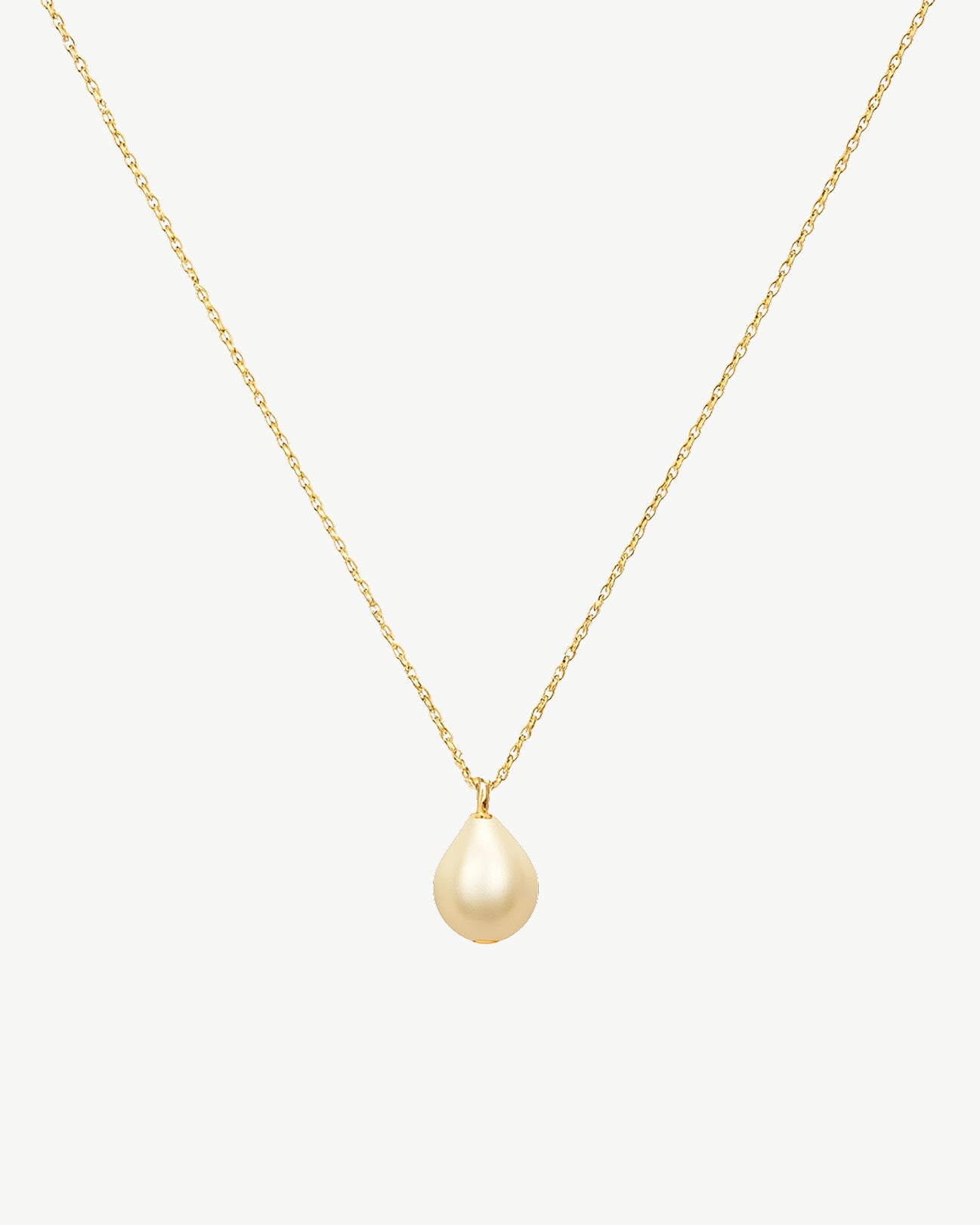
Muse of My Own began with a simple idea: real gold should not be reserved only for engagements, anniversaries or one distant “someday.” Our solid-gold collection centers on 9K pieces made for ordinary wardrobes—small hoops, sculptural studs, rings, necklaces and charms with enough design to feel considered but not so much ceremony that they become difficult to wear.
This is the guide’s transparent home-team choice. Muse publishes this article, and we naturally know its assortment most closely. We also think its position is genuinely distinctive: European-made 9K jewelry at an approachable price, with nickel-free material disclosures and designs that look finished rather than merely minimal.
The Classic Huggie Hoops, for example, are compact 9K everyday earrings, while the Bold Wave Ring brings more shape without moving into special-occasion territory. The Knot Studs are another good expression of the idea: a recognizable form, made in solid gold, at a price below what many shoppers expect from fine jewelry.
Muse is especially relevant for U.S. and UK customers who like European 9K gold but do not want an import bill to appear after checkout. Duties, taxes and customs charges for delivery are handled upfront, so the landed cost is clearer.
Best for: Affordable 9K solid gold, nickel-free options, European design and daily wear.
Consider this if: You want an alternative to gold vermeil without making the jump to a typical 14K price.
Karat focus: 9K solid gold.
Explore Muse's solid gold collection.
2. Mejuri: Best for a broad 14K everyday assortment
Mejuri helped normalize the idea of buying fine jewelry for yourself. Its 14K collection is broad enough to build an entire daily rotation: slim chains, hoops, rings, charms, anklets and diamond-accented pieces, generally presented in a clean, contemporary visual language.
The advantage here is choice. If you want several pieces designed to stack or layer without spending hours reconciling wildly different aesthetics, Mejuri makes that easy. The brand currently states that its 14K gold is 90 percent recycled, though shoppers should still check each individual listing for construction and material details.
Because the range is so large, value varies by piece. A very fine chain and a heavier ring can both be 14K without being remotely equivalent in material weight. Compare dimensions, weight when provided and whether a design is hollow before using price alone as the deciding factor. Lately, however, the brand introduced a brand new category of 10K solid gold.
Best for: Modern 14K staples and one-stop wardrobe building.
Consider this if: You want a large, coordinated assortment and an established international brand.
Karat focus: 10K, 14K solid gold.
3. Quince: Best for lower-priced 14K basics
Quince brings its familiar direct-to-consumer value proposition to 14K gold. The strongest pieces are uncomplicated essentials: small hoops, bands, chains and simple earrings that make it easy to compare like with like.
The appeal is straightforward pricing. A piece such as the 14K Gold Ridge Band offers a recognizable, wearable form without the luxury-store framing. Product pages also identify the responsible-jewelry credentials of manufacturing partners on relevant items.
Quince is best approached as a smart source for basics rather than the place to find a singular design signature. As with every value-led fine-jewelry seller, inspect width, diameter, weight and construction carefully. A lower price may reflect a leaner piece, not just a smaller markup.
Best for: Uncomplicated 14K essentials at relatively accessible prices.
Consider this if: Material and function matter more to you than a distinctive brand universe.
Karat focus: 14K solid gold.
4. Catbird: Best for delicate Brooklyn romance
Catbird has spent years refining a very specific kind of jewelry: fine, intimate and slightly poetic, with the feeling of something discovered rather than loudly announced. Its house line is made mostly with recycled solid 14K gold, and many pieces are produced in its Brooklyn studio or elsewhere in the United States (but the brand has recently introduced 10K pieces).
The designs are often deliberately delicate. The Sweet Nothing Chain Ring is almost a line of gold around the finger; larger styles such as the Grand Fountain Ring retain the same lightness of touch. Catbird also carries independent designers, so materials and policies can vary outside its own collection.
This is a brand for someone who values atmosphere and authorship as much as raw metal weight. If you are hard on your hands or dislike extremely fine chains, select carefully; delicacy is part of the point, but it also affects how a piece should be worn.
Best for: Delicate recycled 14K with an independent Brooklyn sensibility.
Consider this if: You prefer whisper-thin jewelry, tiny diamonds and unusual sentimental gifts.
Karat focus: 14K in Catbird’s house collection.
5. Aurate: Best for personalization and 14K/18K choice
Aurate occupies a useful middle territory between everyday direct-to-consumer jewelry and more traditional fine-jewelry purchases. Its catalog includes straightforward gold pieces, letter pendants, diamonds and personalized designs, often with a choice between 14K and 18K.
That choice is valuable. If you like a design but want a richer gold color or higher gold content, an 18K option can prevent you from having to find an entirely different brand.
The assortment is large and price differences can be significant once diamonds or 18K gold enter the picture. Read stone specifications as carefully as the gold description, especially when comparing pieces across brands.
Best for: Personalized pieces, diamonds and choosing between 14K and 18K.
Consider this if: You want contemporary styling with more traditional fine-jewelry options.
Karat focus: 14K and 18K solid gold.
6. Kinn: Best for specification-minded heirloom shoppers
Kinn describes its aesthetic as modern heirlooms, but the most useful part of its shopping experience may be less romantic: product pages often disclose gold weight and whether a piece is hollow or non-hollow. Those details make serious comparison much easier.
The collection is made in 14K solid gold and leans toward signet rings, substantial chains, medallions and restrained diamond pieces. A listing such as the Petite Heart Signet Ring identifies both approximate weight and hollow construction; that information helps explain price and expected feel before the package arrives.
No single number proves quality, but transparency is a genuine advantage. Weight can vary slightly by size and manufacturing, yet even an approximation tells you more than dimensions alone.
Best for: Heirloom-inspired 14K and unusually useful product specifications.
Consider this if: You compare gram weight, construction and long-term value—not only the front-facing design.
Karat focus: 14K solid gold.
7. Stone and Strand: Best for small, layerable 10K and 14K pieces
Stone and Strand offers the sort of tiny earrings, short necklaces and diamond accents that can stay on without taking over an outfit. It is also one of the more visible contemporary brands using 10K as well as 14K, which can bring the starting price of real gold down.
The important word is as well as. Materials can vary not only between products but between components of the same product. The brand’s Tiny Dot Necklace, for instance, has been described with a 10K chain and a 14K dot, while other designs may include rhodium plating or different stone treatments. None of that is inherently a problem; it simply makes the product page essential reading.
Stone and Strand is most compelling when you want a very small piece in genuine gold and appreciate a youthful, layer-friendly scale. For a heavy chain or broad band, other brands are likely to offer more choice.
Best for: Dainty New York jewelry and accessible entry points into real gold.
Consider this if: You like tiny diamonds, piercing-friendly earrings and multiple delicate layers.
Karat focus: 10K and 14K; verify every component.
8. Otiumberg: Best for refined recycled 9K from London
Otiumberg makes a convincing case for 9K as a design material rather than simply a budget category. The London brand’s solid-gold earrings and huggies use recycled 9K gold in polished, architectural forms that feel quiet but not anonymous.
Its price position is generally higher than the most accessible 9K options, reflecting brand, design and execution rather than karat alone. That is a useful reminder: lower-karat gold does not obligate a label to compete only on price.
Otiumberg is especially strong in ears—huggies, hoops, studs and piercing jewelry—and makes sense for shoppers who want British restraint with more visual substance than an ultra-fine basic.
Best for: Refined, recycled 9K earrings with a London point of view.
Consider this if: You already understand 9K and are willing to pay for design, not just metal content.
Karat focus: 9K solid gold in the relevant fine-jewelry collection.
9. Missoma Fine: Best for trend-aware British solid gold
Missoma is best known for demi-fine jewelry, but its Fine collection moves familiar brand codes - twists, claws, small hoops and stackable rings - into solid gold. Depending on the piece and market, current listings include both 9K and 14K.
That makes Missoma useful for someone who wants real gold without abandoning trend-led design. It also makes close reading necessary. Do not assume every item under the Fine label uses the same karat, and do not rely on a URL or collection name when the specifications on the current product page say otherwise.
For U.S. shoppers, the brand states on relevant pages that import duties are included, which makes the final cost easier to understand when ordering from a British label.
Best for: Recognizable, fashion-aware design translated into solid gold.
Consider this if: You like Missoma’s aesthetic but want a permanent gold alloy rather than plating or vermeil.
Karat focus: 9K and 14K, depending on the piece.
10. Monica Vinader: Best for polished gifts and long-term service
Monica Vinader has expanded from demi-fine signatures into a more elevated solid 14K range. The design language is polished and giftable: slim bands, lockets, diamonds and pieces that sit comfortably alongside the brand’s better-known vermeil collection.
The brand’s published five-year warranty and lifetime repair service add practical value, particularly for shoppers who want an established point of contact after purchase. The price position is premium, and some designs cost considerably more than an accessible 9K or direct-to-consumer 14K equivalent, so the aftercare and design have to matter to you.
This is less about finding the lowest possible price per gram and more about buying within a familiar, service-oriented jewelry ecosystem.
Best for: Refined gifts, polished 14K design and established aftercare.
Consider this if: Warranty, repairs and presentation carry real weight in your decision.
Karat focus: 14K solid gold.
11. Linjer: Best for minimalist recycled 14K and gemstones
Linjer combines restrained simplistic design with relatively accessible 14K pricing. The brand says its solid gold is 100 percent recycled, and its catalog includes clean geometric rings, small earrings, necklaces and natural colored gemstones.
The gemstone offering gives Linjer a clearer identity than a basic-only gold seller. Pieces such as its 14K solitaire rings provide color without the visual weight or pricing structure of conventional cocktail jewelry.
As ever, compare stone size and treatment, gold dimensions and return terms—not just a hero image. Minimal styling can make a piece appear larger on screen than it feels in hand.
Best for: Clean recycled 14K with natural colored-stone options.
Consider this if: You want minimalism but find plain gold basics too austere.
Karat focus: 14K solid gold.
12. Automic Gold: Best for inclusive sizing and genderless design
Automic Gold makes its 14K jewelry in New York City using certified recycled gold. More unusually, many rings are offered in sizes 2 through 16, and the collection is designed without treating “men’s” and “women’s” jewelry as separate creative worlds.
That inclusivity is not a side note; it solves a real shopping problem. A beautiful ring is not genuinely accessible if it stops several sizes before your finger begins. Automic Gold’s bands, signets, chains and customizable pieces pair a direct design language with options for bodies frequently ignored by conventional fine jewelry.
The aesthetic can read utilitarian, minimal or quietly symbolic depending on the piece. It is one of the strongest choices here for shoppers who want the brand’s values and manufacturing approach to be as specific as the karat mark.
Best for: Size-inclusive, gender-inclusive and NYC-made recycled 14K.
Consider this if: Standard ring sizing has excluded you, or you prefer jewelry without gendered merchandising.
Karat focus: 14K solid gold.
How to choose a solid gold jewelry brand
The brand name is only the beginning. Before buying, look at the individual piece through these eight questions.
1. What karat fits the job?
Choose 9K or 10K when accessibility, a lighter gold tone and practical daily wear matter most. Choose 14K for the widely used middle ground, especially if you want the largest selection from U.S. brands. Choose 18K when richer color and a higher proportion of gold justify the added cost for you.
There is no universally “best” karat. A daily hoop, an engagement ring and a high-gold-content collectible are different assignments.
2. How much gold are you actually getting?
Karat is a percentage; weight tells you how much material is present. When available, compare approximate gram weight between pieces in the same karat and size. Remember that ring size, chain length and production tolerances can change the number.
3. Is the piece hollow or non-hollow?
Hollow construction is not fake. It allows larger volume with less weight, which can be desirable for earrings. It may also dent more easily than a compact non-hollow equivalent. A responsible listing should make construction understandable, especially on a substantial-looking piece.
4. Is the alloy suitable for you?
Solid gold is not automatically hypoallergenic. Pure gold is generally well tolerated, but jewelry alloys contain other metals. If you react to nickel or have known sensitivities, look for an explicit nickel-free statement instead of inferring safety from the karat alone.
5. Are the material claims specific?
“Gold,” “gold tone” and even “fine jewelry” are not enough. Look for 9K/375, 10K/417, 14K/585 or 18K/750, plus a clear statement that the piece is solid gold. In the UK, qualifying gold articles above the legal exemption weight should carry a recognized hallmark; rules differ by country.
6. What else is in the piece?
For diamonds and gemstones, check whether stones are natural or lab-grown, their size or total carat weight, and any disclosed treatments. For necklaces and bracelets, check whether the chain, clasp, jump rings and pendant are all the same material.
7. What happens after purchase?
Fine chains break, ring sizes change and polished surfaces collect scratches. Review the warranty, repair service, resizing policy and return window before treating “solid gold” as a guarantee of lifetime service.
8. What is the true delivered price?
International shoppers should look for shipping, duties, taxes and customs information. A lower product price can stop being a bargain if import charges arrive separately. Wording such as “duties and taxes included” is clearer than the logistics acronym DDP, but they refer to the same basic benefit: the seller handles those costs upfront rather than leaving a surprise for delivery.
Solid gold vs. vermeil, gold-filled and gold-plated jewelry
These categories can all be valid; they simply behave differently.
| Material | What it is | Main advantage | Main trade-off |
| Solid gold | A gold alloy throughout | No surface gold layer to wear away; can be polished and repaired | Highest initial price |
| Gold vermeil | A qualifying thickness of gold over sterling silver | Precious-metal base and a richer finish at a lower price | Gold layer wears gradually with use |
| Gold-filled | A mechanically bonded, relatively substantial gold layer over base metal | More durable coating than typical plating | Still not gold throughout; less common in some markets |
| Gold-plated | A layer of gold over another metal | Lowest entry price and broad design choice | Finish can wear, sometimes quickly |
If you change styles frequently, vermeil or plating may make sense. If you want a piece to remain gold-colored without depending on a surface finish, solid gold is the more permanent answer. Our guides to the best gold vermeil jewelry brands and best sterling silver jewelry brands cover those categories in more detail.
Frequently asked questions
Is 9K gold real gold?
Yes. 9K gold is a solid-gold alloy containing at least 37.5 percent pure gold, commonly marked 375. It is an established fine-jewelry material in the UK and other markets. U.S. shoppers may encounter it less often because 10K and 14K are more familiar there.
Is 9K gold good quality?
It can be excellent quality. Karat measures gold content, not design, construction or finishing. A well-made 9K piece can be a durable and valuable everyday option; a poorly constructed piece does not become good merely because it is 18K.
Is 9K or 14K better for everyday jewelry?
Both can work well. 9K usually costs less and may be harder depending on its alloy. 14K contains more gold, typically has a richer gold color and is widely available in the U.S. Choose based on budget, color preference, design, thickness and construction—not the karat number alone.
Does solid gold tarnish?
Pure 24K gold is highly resistant to tarnish, but wearable solid gold is an alloy. Lower-karat pieces contain more non-gold metals and can sometimes dull or develop surface discoloration depending on the alloy, environment and body chemistry. They do not, however, have a gold-plated surface that wears away to expose a different-colored core, and their finish can generally be professionally restored.
Does “solid gold” mean a piece is not hollow?
No. “Solid gold” describes the metal throughout the piece. “Hollow” or “non-hollow” describes its construction. A hoop can be both hollow and genuinely solid gold.
Can you buy 9K gold in the United States?
Yes, including from international brands that ship to the U.S. It is less common than 10K or 14K in American stores, so look for a clear 9K or 375 disclosure and review delivery, duties and return terms before ordering.
Is solid gold hypoallergenic?
Not automatically. Gold alloys contain other metals, and their recipes vary. Higher karat means a larger proportion of gold, but people with metal sensitivities should still look for nickel-free information or ask the brand directly.
What is the best affordable solid gold jewelry brand?
For accessible 9K and European-made everyday designs, our choice is Muse of My Own. Quince is strong for straightforward 14K basics, while Stone and Strand offers small 10K and 14K pieces. “Affordable” depends on weight and construction, so compare specifications—not just the karat and price.
Which solid gold brand is best for rings in a wide range of sizes?
Automic Gold is a standout: many of its 14K rings are offered in sizes 2 through 16. For conventional size ranges, always check whether resizing is available before purchasing.