
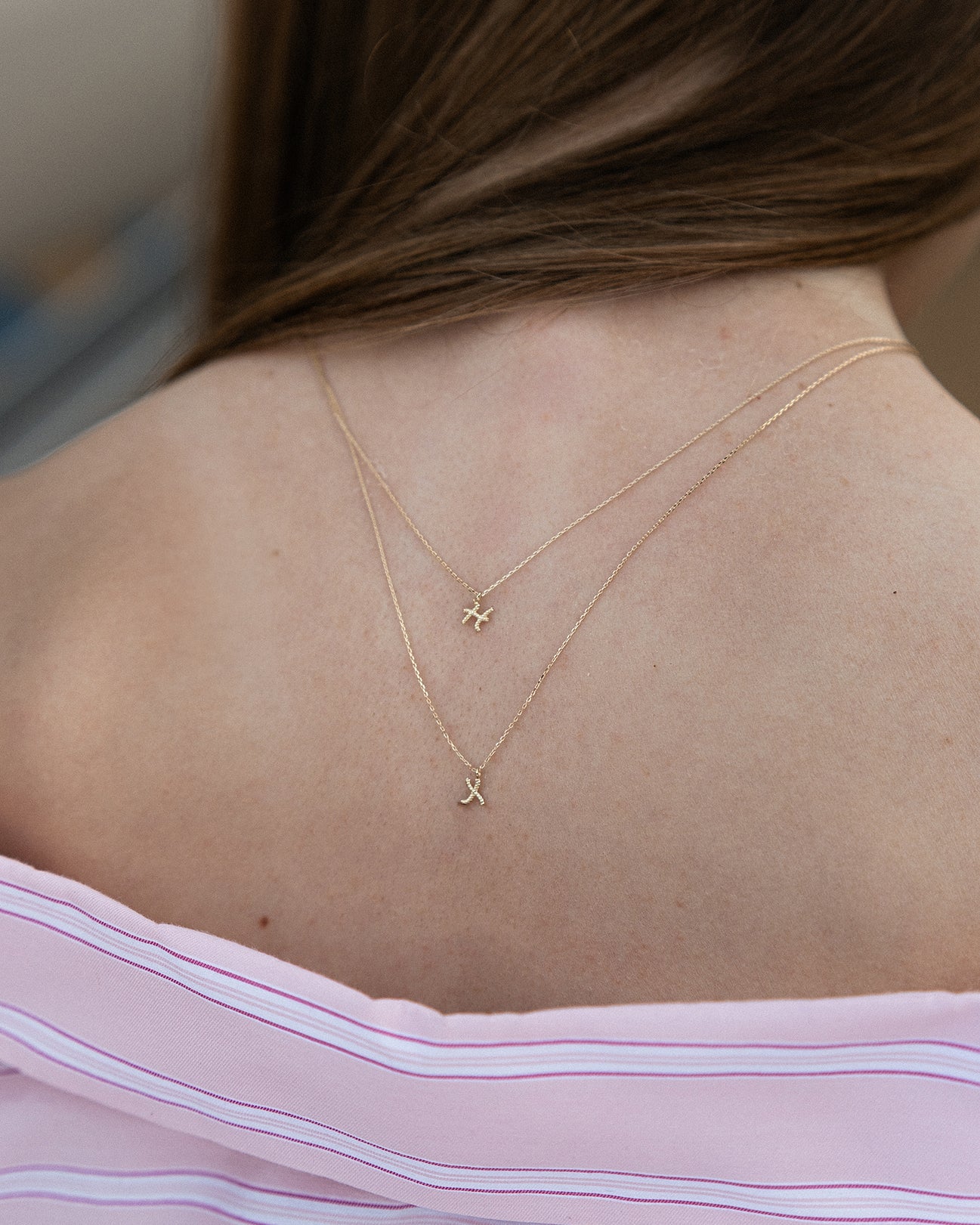

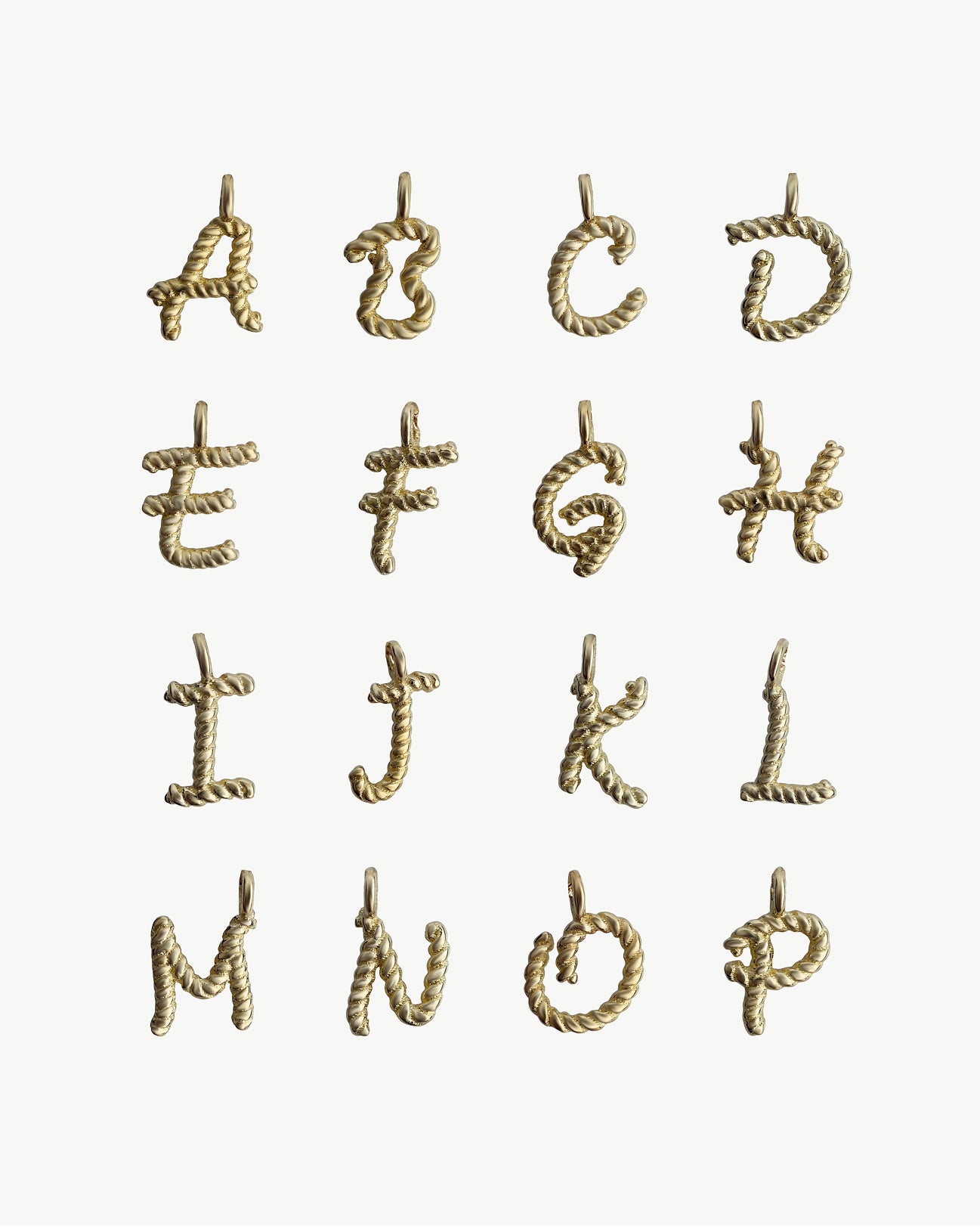

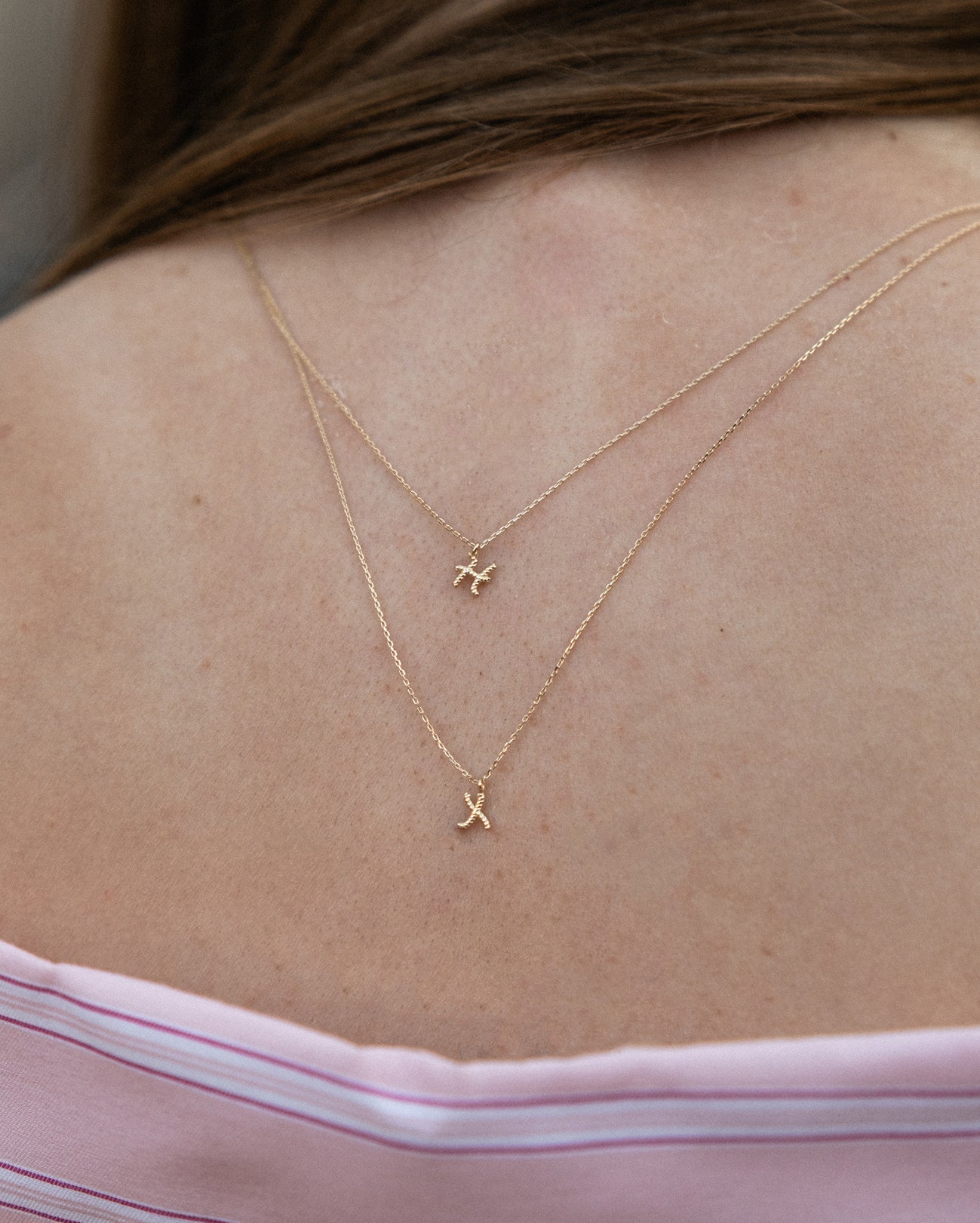

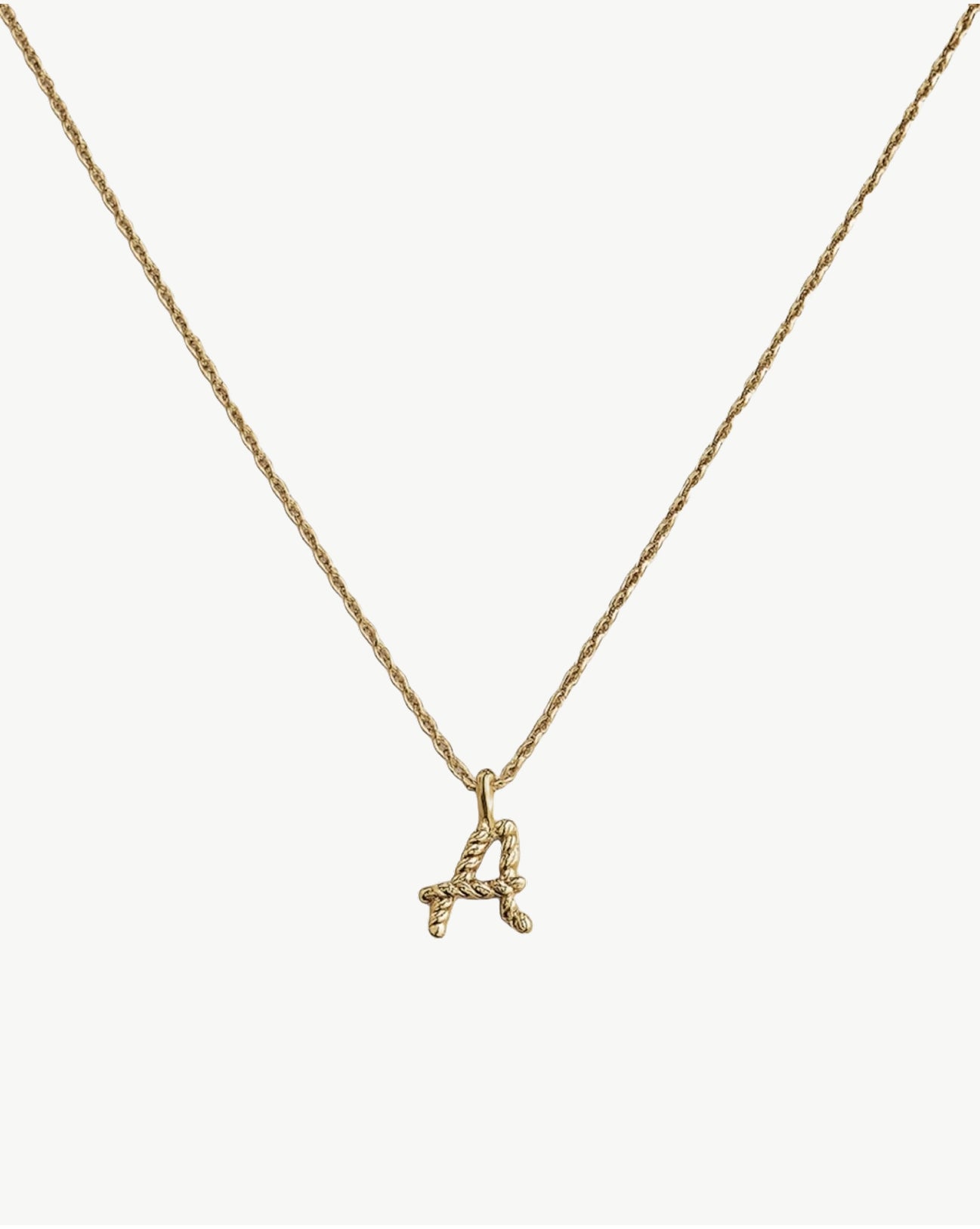







For a long time, gold jewelry has been sold to you in two extremes.
At one end sits solid gold, the dream purchase, the forever piece, the kind of jewelry you buy with a sense of intention. At the other is the endless sea of “gold tone,” “gold plated,” and vaguely worded pieces that look beautiful for a season, sometimes less, and leave behind the slightly dispiriting feeling that you paid for the appearance of gold, not the experience of wearing something fine.
What sits in the middle is where things get interesting.
That middle ground is vermeil. Not costume jewelry, not imitation, not a trick of language. Done well, vermeil is one of the most intelligent categories in modern jewelry: precious enough to feel special, accessible enough to become part of everyday life, and refined enough to act as a meaningful entry point into fine or demi-fine jewelry.
In Europe, the term “vermeil” is less rigidly defined by a single, unified legal standard than people often assume. What matters instead is the combination of materials and how transparently they are described: a base of sterling silver, coated in real gold. Hallmarking laws across countries focus primarily on the underlying precious metal - meaning a vermeil piece is officially recognized as silver, even though what you see and wear is gold.
This creates an interesting nuance. While many brands across the industry refer to “vermeil” as a category, the exact specifications can vary depending on where the piece is made and sold. In the United States, for example, guidance from the Federal Trade Commission sets a commonly referenced benchmark of at least 2.5 microns of gold over sterling silver. That figure has, over time, become something of a global shorthand - not because it represents the highest standard, but because it defines the minimum required to use the term in that market.
For Muse of My Own, vermeil opens a new chapter.
Until now, our world has been built around solid 9k gold. That is still our foundation as solid gold remains the closest thing jewelry has to permanence. It is the category you wear for years and then keep for longer than that. But a first gold vermeil collection does not mark a step away from quality. It marks a widening of the doorway.
Because not every first piece has to be a forever-price piece. Sometimes the most thoughtful thing a brand can do is create an entry point that still respects the standards of fine jewelry. That is what vermeil, at its best, offers you: the glow and preciousness of real gold, the value and substance of sterling silver beneath it, and a price that makes collecting jewelry feel possible sooner, not someday.
The trouble, of course, is that “vermeil” is one of those words that sounds luxurious even when it is used lazily. And that is where the conversation needs more honesty.
Vermeil is not simply any gold-colored jewelry over silver. It is a more specific construction than that. The silver base matters. The karat of the gold matters. The thickness matters most of all. In Canada, official guidance likewise treats vermeil as silver of at least .925 plated with gold of at least 10 karat, and it also permits thickness statements in micrometres when the plating is at least 1 micrometre. In the UK, the language is handled differently: articles sold to UK consumers must be described as silver and “gold plated,” while “vermeil” can be added only alongside that wording; UK guidance also says the plated layer should not exceed 2 microns in thickness for those descriptions.
That alone tells you something important. Vermeil is not a single global rulebook. It is a category shaped by different legal traditions, marking systems, and consumer protection regimes. In one country, the emphasis may be on minimum thickness for the term. In another, the emphasis may be on how the item is described and hallmarked so the customer is not misled. In the UK, for example, gold-plated silver articles are hallmarked as silver, not as gold, and specific standalone gold fineness marks on the article are restricted because they can confuse buyers.
If you have ever wondered why vermeil can feel straightforward on one website and oddly murky on another, this is one reason why. Brands often operate across markets that do not talk about plated precious-metal jewelry in exactly the same way.
The second reason is simpler. Many brands stop at the legal minimum.
That minimum, especially in the American conversation around vermeil, is often 2.5 microns. It has become the shorthand benchmark, the number repeated in product pages and care guides because it is recognizable and legally meaningful in that market. There is nothing inherently wrong with 2.5 microns. It is the threshold many brands use because it allows them to call a piece vermeil while keeping production cost under control. It is the floor.
But a floor is not the same thing as an ambition.
The reason thickness matters is not because it makes for a prettier specification sheet, but because gold plating is the surface you live with. It is the first thing the world sees and the first thing daily life tests. Rings graze door handles. Bracelets meet desks. Necklaces collect perfume, sunscreen, humidity, body oils, summer heat, and the friction of clothing. Earrings are gentler; rings are not. The thicker the gold layer, the more material there is to withstand the ordinary abrasions of being worn and loved. The FTC’s own discussion of jewelry coating standards connects thickness to abrasion resistance and durability, which is precisely why these thresholds matter in the first place.
This is why Muse of My Own is not interested in doing vermeil in the most minimal, checkbox way possible.
While many brands remain at 2.5 microns because that is the familiar benchmark, our aim is 4 microns. Not to create a slogan around a number, but to make a better object. Four microns is not solid gold, and it should never be marketed as though it were. But it does represent a deliberate move above the common threshold, toward greater longevity, better wear, and a more reassuring experience in the hand. It is a way of saying that if we are going to enter this category, we want to do it properly.
That distinction matters all the more because “gold plated” as a phrase can cover a vast range of realities. Some plated jewelry is laid over brass. Some is laid over steel. Some carries a whisper-thin finish meant mainly for initial visual impact. Some is produced quickly, to hit a trend cycle. Vermeil, by contrast, begins with sterling silver, which already places it in a different class of material. Sterling silver is a precious metal alloy, not an anonymous base metal, and that changes both the feel and the value proposition of the finished piece. The UK hallmarking guidance is clear that precious metal descriptions carry legal weight precisely because consumers cannot tell composition by sight or touch alone.
In other words, words matter because materials matter.
When you buy vermeil, you are not only paying for the warm gold surface. You are also paying for what lies underneath that surface: a sterling silver core that gives the piece intrinsic worth beyond appearance. This is why vermeil has become such an important category in modern jewelry brands. It offers a way to design with precious materials while staying below the cost of solid gold. It lets you buy into shape, polish, proportion, and styling with more freedom. It makes the first signet ring, the first stackable band, the first sculptural hoop, the first pendant you wear every day, feel possible without requiring the budget of a lifelong heirloom purchase.
And there is another reason vermeil has found its audience. It aligns with how women actually build jewelry wardrobes now.
You do not always buy jewelry once. You buy it in chapters. There is the first chapter, where you discover what you wear on repeat. There is the second, where you learn whether you lean classic or sculptural, delicate or bold, polished or slightly undone. Then comes the chapter where you start investing more seriously and selectively. Solid gold belongs beautifully in that long arc. Vermeil does too. One is not a betrayal of the other. One can be the beginning that leads you toward the other.
This is exactly how we think about Muse’s first vermeil collection. Not as a replacement for solid gold, but as a companion category. A lower-cost entry point, yes, but still one grounded in precious materials and stricter standards than the bare minimum. Still fine in feel. Still elevated in finish. Still created with the idea that jewelry should hold its beauty for longer than a single season.
There is also a design argument for vermeil that is rarely discussed honestly enough. Some pieces are simply better introduced in vermeil first.
Jewelry design is not only about material purity. It is also about scale, experimentation, and wearability. A larger silhouette in solid gold can become inaccessible very quickly. A more directional earring shape, a wider cuff profile, a more dramatic pendant, all may make aesthetic sense long before they make financial sense in solid gold. Vermeil gives a brand room to offer those silhouettes with integrity. It lets you try a mood, a proportion, a presence on the body, without forcing every design to carry the full cost structure of solid gold.
That is part of what makes vermeil such a compelling category when it is done by brands that care about construction rather than just trend. It democratizes design without cheapening it.
Of course, no serious article about vermeil should pretend it is maintenance-free. It is not. Gold vermeil is more durable than thin, low-quality plating, especially when properly made over sterling silver, but it is still a surface layer. Wear will always be part of the story. Perfume, lotion, chlorinated water, sweat, heat, and friction all affect plated jewelry over time. That is not a flaw unique to vermeil. It is simply the truth of how plated precious-metal jewelry behaves. If a brand suggests otherwise, what it is really selling is not jewelry but wishful language.
The better question is not whether vermeil can last forever. It is whether it has been made well enough to age gracefully, and whether the brand has chosen standards that give it a fighting chance.
That brings us back to the difference between 2.5 microns and 4.
A 2.5-micron vermeil piece may satisfy a known threshold. A 4-micron piece signals that the brand is deliberately investing in more gold on the surface, because the lived experience of the jewelry matters. This is particularly meaningful in categories that encounter more daily contact. The number does not replace craftsmanship, of course. Surface preparation, plating quality, finishing, and design all play their part. But thickness is one of the rare specifications a customer can actually understand without being an industry insider. It is one of the few places where the hidden choices of manufacturing become legible.
And in jewelry, hidden choices are often everything.
They determine whether a piece feels reassuringly weighty or strangely hollow. Whether the polish looks rich or harsh. Whether edges are softened or left crude. Whether the item is designed to be worn or merely photographed. In vermeil, the hidden choice is often whether a brand treats the legal minimum as a finish line or as the starting line.
At Muse, we see it as the latter.
Our move into gold vermeil is not about abandoning what made the brand distinct. It is about translating that same instinct for quality into a new price tier. We still believe in precious materials. We still believe in longevity. We still believe you deserve transparency about what you are buying. What changes with vermeil is not the philosophy, but the invitation. It allows more of you to enter the world of the brand earlier, and with confidence, not compromise.
That is why this first collection matters. It is not just a new material launch. It is a new way of participating.
Maybe you have admired solid gold for years but hesitated at the cost. Maybe you want pieces that look polished and expensive but still feel rational. Maybe you are building your jewelry wardrobe slowly, with a mix of forever pieces and beautifully made stepping stones. Maybe you want the look and preciousness of gold, but also want to know what is beneath the shine. Vermeil, especially when made above the common threshold, answers those questions more thoughtfully than fast jewelry ever could.
It gives you real gold. Real sterling silver. Real design. Real intention.
And perhaps that is the quiet appeal of vermeil at its best. It does not pretend to be immortal. It simply refuses to be disposable.
For years, the jewelry industry has trained shoppers to think in absolutes: fine or fashion, investment or impulse, forever or throwaway. But the most interesting categories often live in between. Gold vermeil belongs there. It is the space between aspiration and access, between luxury and practicality, between your first serious piece and the collection you will one day build around it.
A first vermeil collection from Muse of My Own is, in that sense, not a contradiction. It is a continuation. A new chapter written in sterling silver and gold, with the same old belief that jewelry should feel meaningful the moment it touches your skin.
And if you are going to begin somewhere, there is something rather lovely about beginning with a piece designed not just to look like gold, but to honor it.